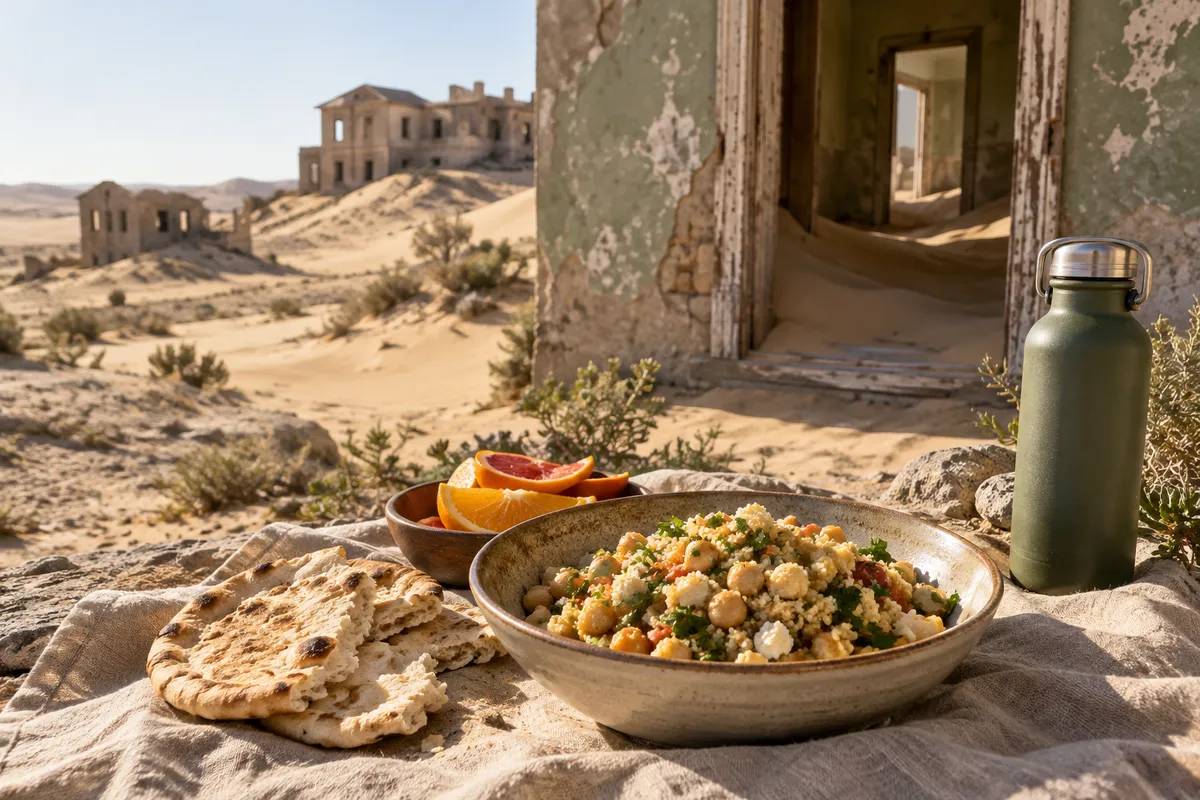
Ynetnews recently rounded up 10 abandoned places around the world, from a city evacuated after a nuclear disaster to a diamond town swallowed by desert. The six named in our reporting are Pripyat in Ukraine, Hashima (Gunkanjima) in Japan, Kolmanskop in Namibia, Craco in Italy, Varosha in Cyprus and Bodie in California. The list is about history and decay, not dinner. But if you're planning a trip to somewhere like this, food is the practical question that gets overlooked.
Here's the useful part: a way to plan meals around a ruin, plus a packable recipe that holds up in a bag for hours.
Why abandoned places need a food plan
A place that was emptied out by disaster, war, or a collapsed industry is, almost by definition, not set up to feed visitors. I can't tell you what each of these six sites offers today, and the Ynetnews coverage doesn't say. That uncertainty is the point: check before you go, and assume you'll need to bring or arrange your own food unless an official source tells you otherwise.
The same coverage notes that several of these sites remain politically sensitive or newly accessible. That makes access rules the first thing to verify, and meal plans second. Your lunch should never depend on a gate being open.
Eat in the living town, not the ruin
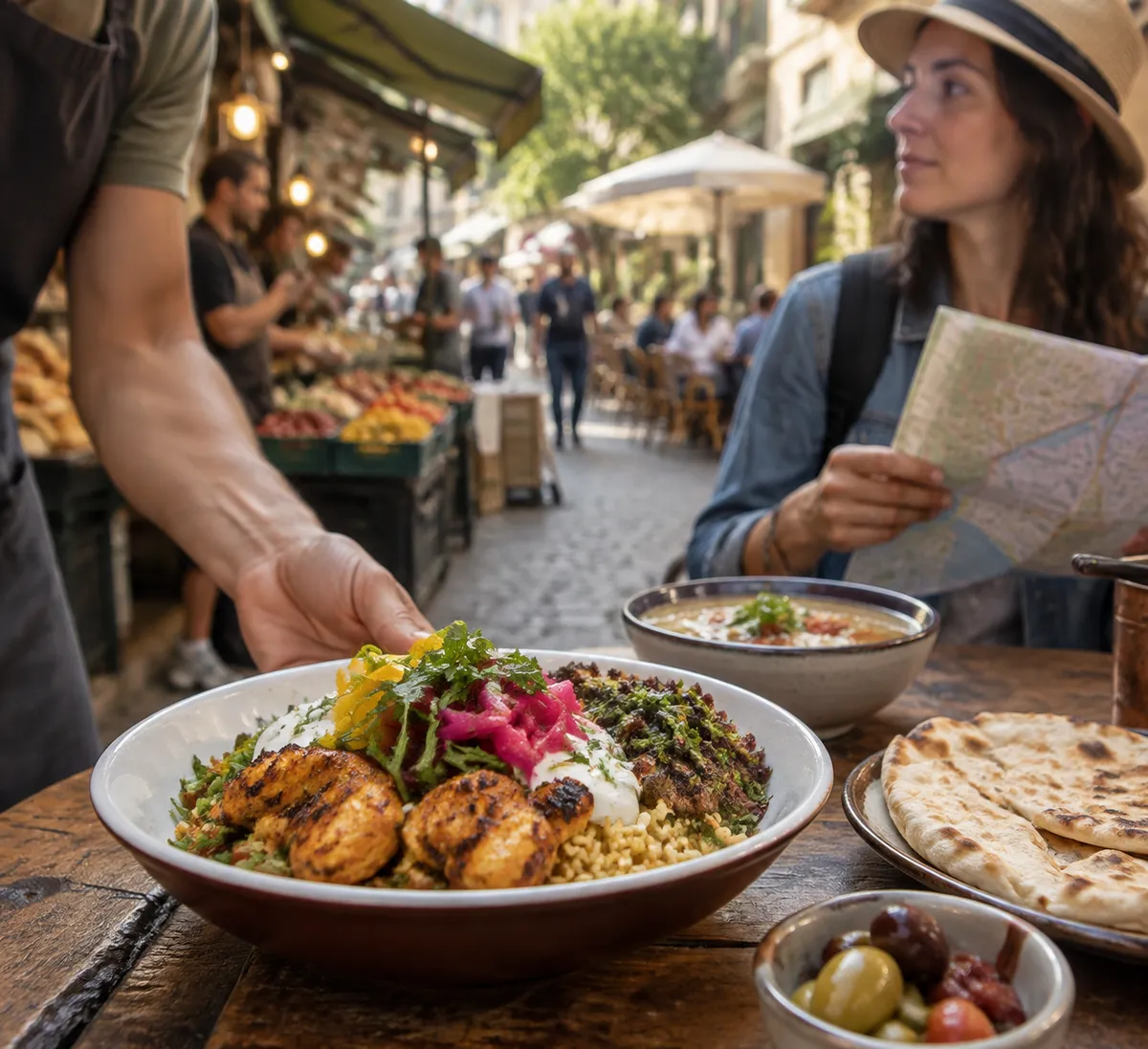
The most reliable approach is to treat the abandoned site as a half-day outing and the nearest inhabited town as your food base.
- Breakfast in town. Eat a proper meal before you go. Ruins are often exposed, with little shade or shelter.
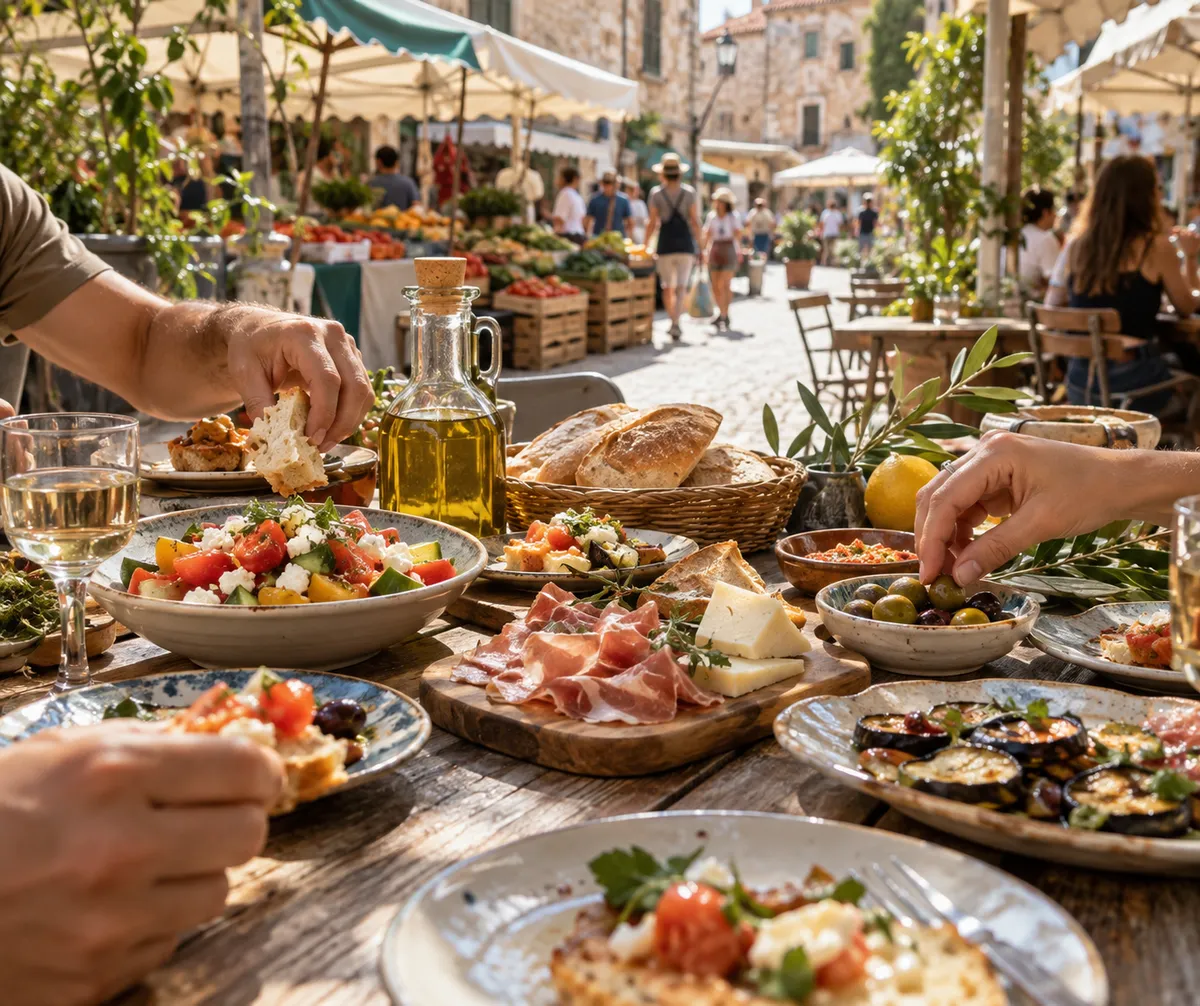
- Ask where locals buy lunch. A bakery, deli counter or market stall will usually beat anything near a tourist entrance.
- Save the big meal for after. Finish your visit, then sit down somewhere local. It's also a good way to put money into the community that surrounds the site rather than just the site itself.
This works whether the destination is a Mediterranean hill town like Craco, a desert site like Kolmanskop, or a California ghost town like Bodie. Look up the closest town to each and read recent traveler notes about opening hours.
What to pack
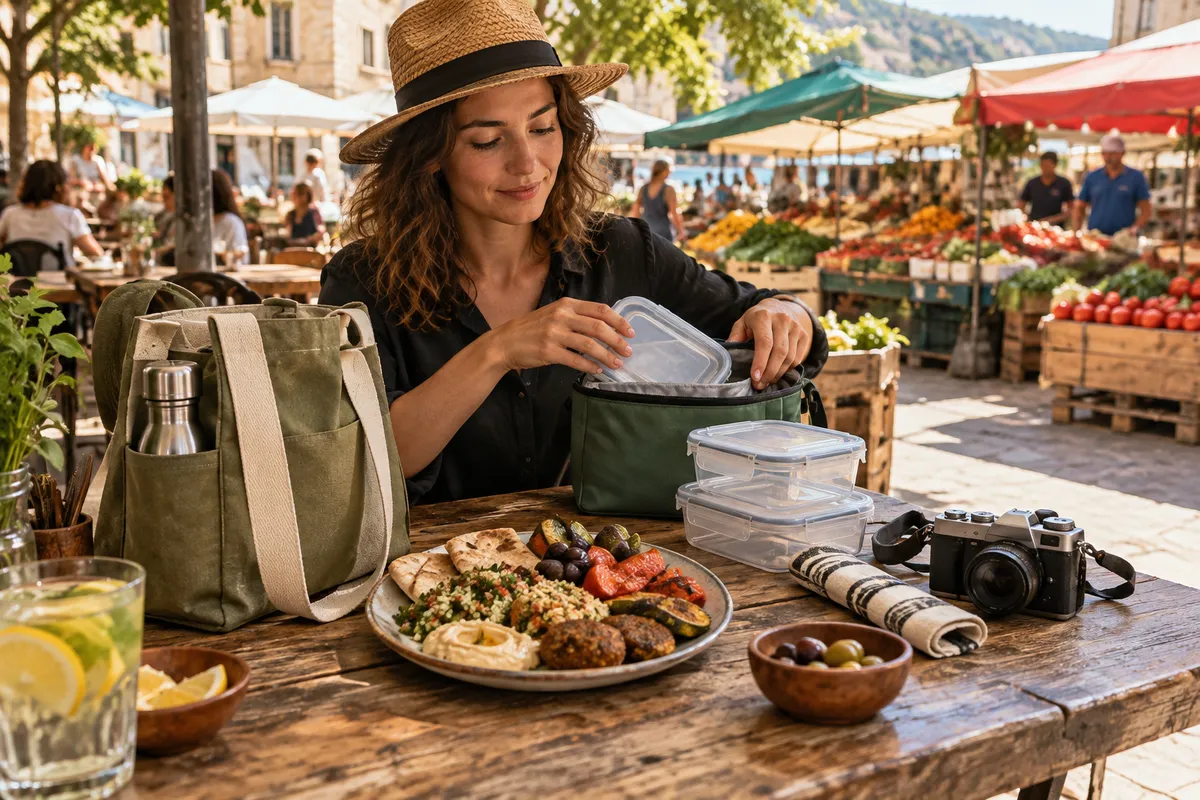
Good ruin-day food is sturdy, doesn't need refrigeration, and leaves nothing behind.
- Water first. More than you think you need, especially in dry or hot settings.
- Food that survives a bag. Flatbread, hard cheese, firm fruit, nuts, and salads built on beans or grains rather than lettuce.
- A zip bag for trash. Pack out everything, including peels and crusts. Fragile historic sites don't need your scraps.
- Wipes and a small knife or spoon. There may be no sink for miles.
Check the rules for each site, too. Some places restrict food and drink, or ask visitors to stay on marked paths, so a picnic may need to happen outside the site boundary.
Recipe: Ruin-Day Chickpea and Tomato Salad
This is an original, flexible picnic recipe, not a dish tied to any of these destinations. It tastes better after a few hours in the bag because the chickpeas soak up the dressing. Serves 2.
Ingredients
- 1 can (about 400 g) chickpeas, drained and rinsed
- 2 firm tomatoes, diced (or a cup of cherry tomatoes, halved)
- 1/2 cucumber, diced
- 1/4 red onion, finely sliced
- A handful of parsley or any soft herb, chopped
- 3 tablespoons olive oil
- Juice of 1 lemon
- 1/2 teaspoon salt, plus black pepper
- Optional: crumbled feta or a pinch of dried oregano
- To serve: flatbread or crusty rolls
Steps
- Soak the sliced onion in cold water for 10 minutes, then drain. This softens its bite.
- In a leakproof container, whisk the olive oil, lemon juice, salt and pepper.
- Add the chickpeas and stir so they coat in dressing.
- Add tomatoes, cucumber, onion and herbs on top. Don't stir yet if you're packing it. Keeping the vegetables above the dressing helps them stay crisp.
- Seal, keep it in the shadiest part of your bag, and shake gently before eating.
- Eat within about four hours, and keep it cool. If your day will be long or hot, pack it with an ice pack.
Easy swaps
- Use white beans or lentils instead of chickpeas.
- Add canned tuna if you want more protein.
- Replace lemon with a splash of red wine vinegar.
Treat the meal as part of the respect
The Ynetnews piece frames these places as time capsules shaped by disaster, war, industry collapse and environmental forces. Some of them carry real human loss. A quiet picnic away from the site, with your trash packed out, is a small way to visit with care. Loud, messy lunches in front of ruins aren't a good look at any of them.
Your next step
Pick one site from the list, find the nearest inhabited town, and look up two things this week: whether the site is open to visitors, and where you'll eat before and after. Then make the salad the night before.