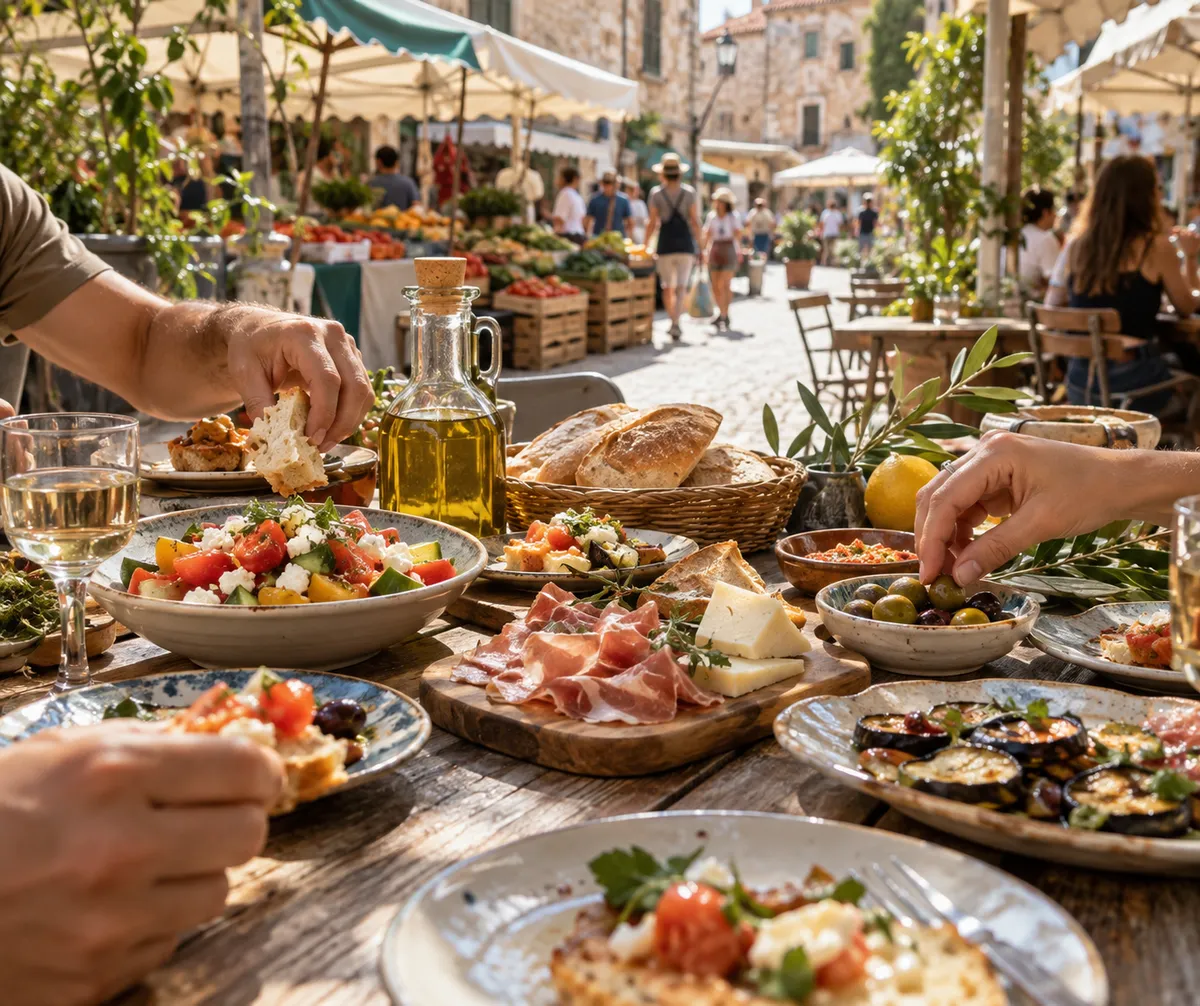
Travel Weekly recently put a spotlight on culinary travel, framing it as a way to turn dining experiences into lasting trip memories and to make food a central part of how travelers connect with a destination. It's a useful idea, and it's easy to act on. Below is a practical way to plan a food-first itinerary, even if you've never traveled for the food before.
By the end, you'll know how to build a trip around meals instead of squeezing meals around sightseeing.
Why Food Is Such a Good Way In
Per Travel Weekly's framing, travelers increasingly want immersive, experience-led trips rather than passive sightseeing. Food fits that shift neatly. It's accessible, since everyone eats, and it carries a lot of local culture, identity, and storytelling in a single plate.
That's also why meals tend to stick in memory. A monument is something you look at. A meal involves you: you taste, ask questions, and often hear the story of the dish from the person who made it. That's our read on why the two feel so different, and it's a good reason to treat meals as the anchor of your plans.
Step 1: Pick the Meals First, Then Fill In the Day
Most itineraries list attractions and hope lunch happens. Flip it.
- Choose one anchor meal per day. This might be a market breakfast, a long lunch, or a dinner at a place known for a regional specialty.
- Place sights nearby. Look at what's within walking distance of the meal and build the day around it.
- Leave one slot open. A snack stall or bakery you stumble on is often the surprise highlight.
This keeps you from rushing a meal you've been looking forward to.
Step 2: Build Around Five Types of Food Experiences
The themes Travel Weekly points to are meals, markets, chefs, cooking classes, and regional specialties. Think of them as five building blocks you can mix and match.
Markets
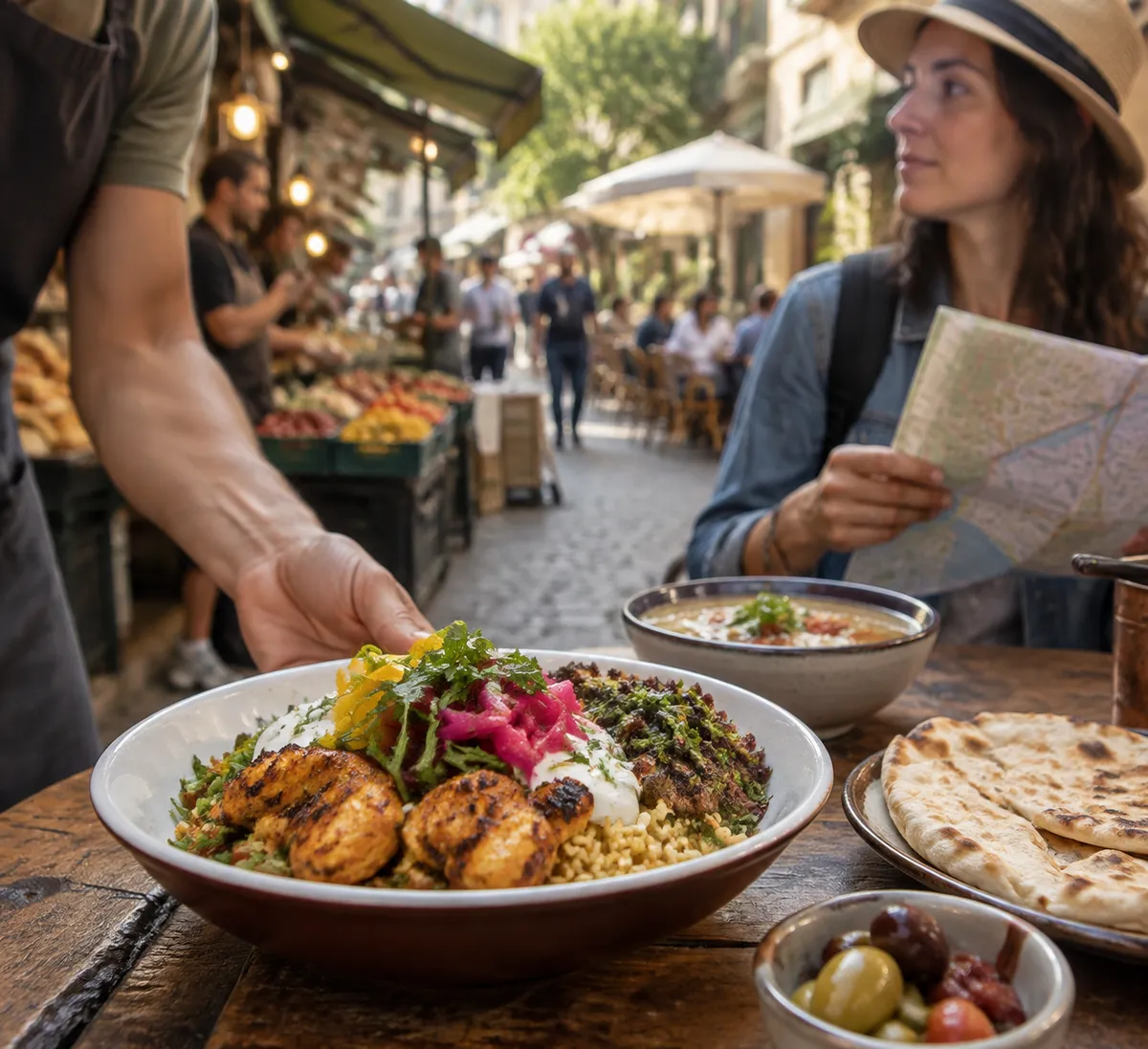
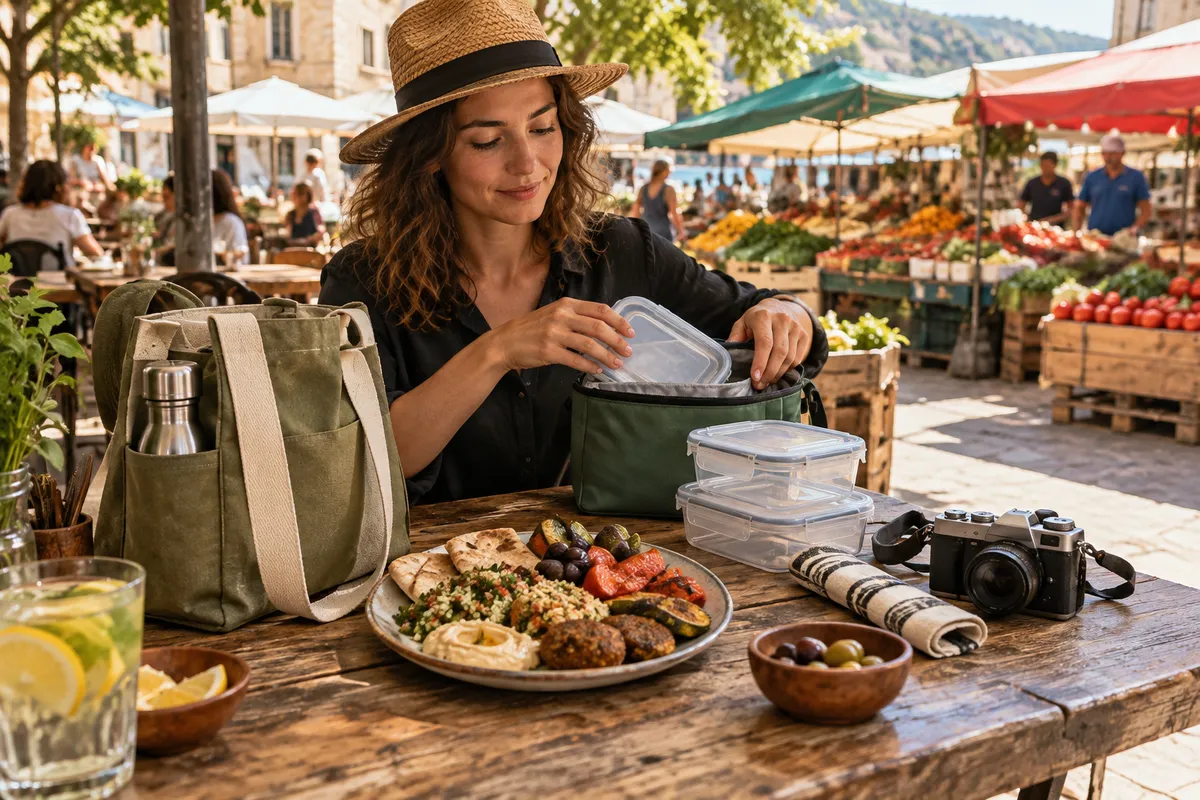
A food market is the fastest introduction to a place. Go with an empty stomach and walk a full loop before buying anything. Notice what's piled highest, since that's usually what's in season and what locals cook with. Then return to the stalls that drew you in.
Street food and casual stalls
Specialties often live at the casual end of the spectrum. Order one item at a time, share when you're with others, and you can sample far more in a single outing.
Regional specialties
Before you go, find out which two or three dishes a destination is known for, and make a point of eating each one. Try the same dish in two different places and compare. You'll learn more about local taste than any guidebook can tell you.
Cooking classes
A class turns a flavor you liked into a skill you can take home. Look for small-group options that include a market visit, so you learn about ingredients as well as technique.
Chef-led or chef-driven meals
A sit-down meal where the cook explains the thinking behind the menu adds the storytelling layer. One of these per trip is plenty for most budgets.
Step 3: Find Authentic Local Dining
"Authentic" is slippery, but a few habits help you steer toward places people actually eat at:
- Look at who's eating. A room full of locals at lunchtime is a good sign.
- Favor short menus. A place that does a few things usually does them well.
- Ask a person, not just an app. Hotel staff, market vendors, and cooking instructors often have strong opinions. Ask "Where do you eat on your day off?"
- Eat at local hours. If a city has a late dinner culture, adapting your schedule gets you into the real rhythm of the place.
- Learn a few food words. Even "what do you recommend?" in the local language opens doors.
Tips for First-Time Food Travelers
If this is your first trip organized around eating, keep it simple.
- Plan fewer things, not more. Two or three food experiences a day is plenty.
- Pace your appetite. Share plates, order small, and skip a meal if you're still full.
- Take notes. Jot the dish name, where you ate, and one detail you noticed. This is what makes a meal a memory rather than a blur.
- Photograph the menu or the stall sign, so you can find the dish again later.
- Be open about dietary needs. Look up how to explain allergies or restrictions in the local language before you go.
- Say yes to one thing you can't identify. Ask what it is afterward if you must.
A Simple Way to Bring the Trip Home
The memory doesn't have to end at the airport. A small recipe from the trip keeps it going. Here's an approachable one that works almost anywhere: a market-style tomato and bread salad, a loose idea you can adapt to whatever is in season.
Market Tomato and Bread Salad
- 3 ripe tomatoes, chopped
- 2 thick slices of day-old bread, torn into pieces
- 1 small red onion, thinly sliced
- A handful of fresh herbs, such as basil or parsley
- 3 tablespoons olive oil, 1 tablespoon vinegar, salt and pepper
Toss everything together and let it sit for 15 minutes so the bread soaks up the juices. Taste and adjust the salt and vinegar. Swap in whatever the best-looking produce at your own market offers, which is the same habit that serves you well when you travel.
The Takeaway
Before your next trip, pick one meal per day and plan the rest of the day around it. Do that, and the food stops being a pause between activities and becomes the thing you remember.