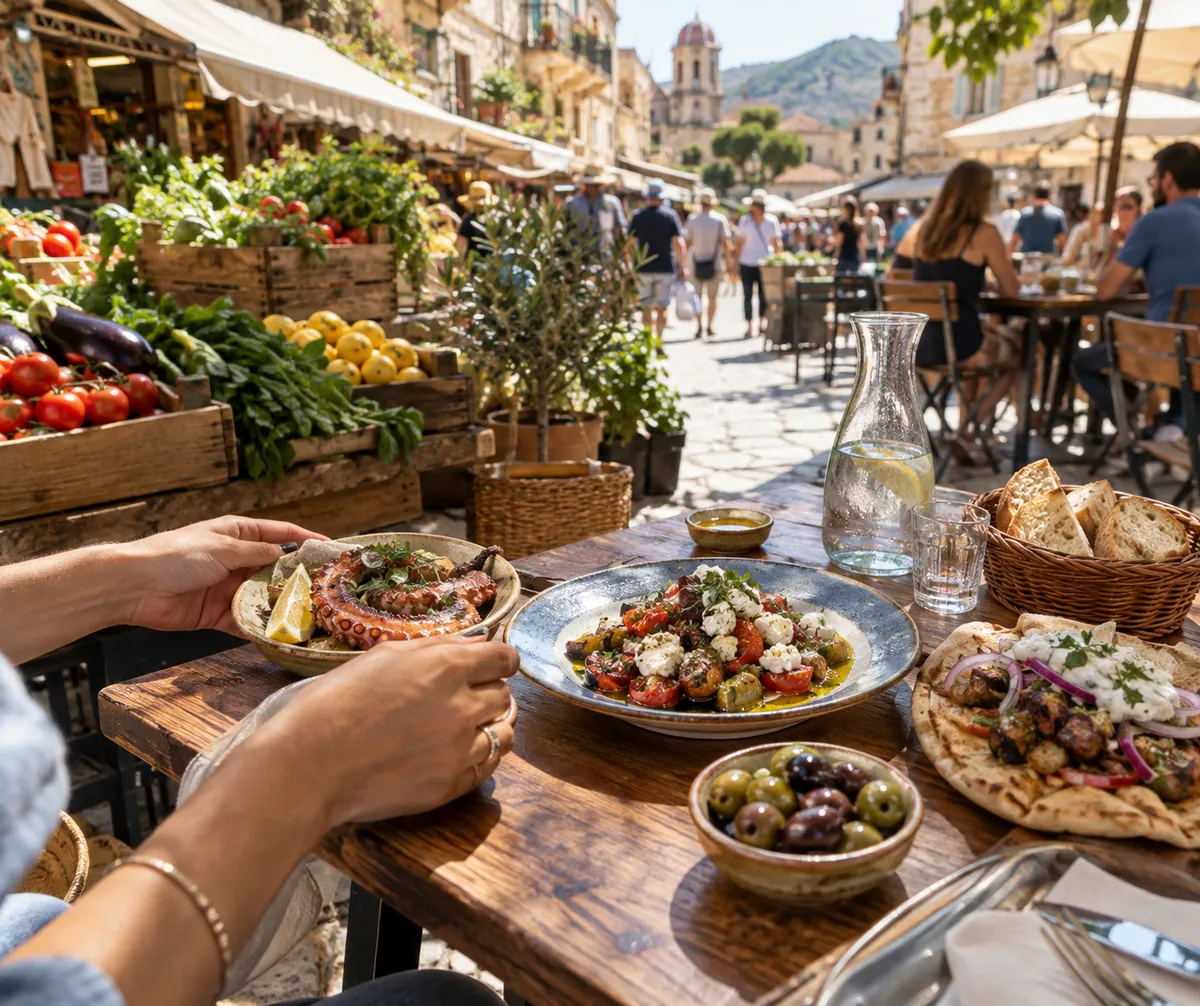
Culinary tourism is on the rise, according to a recent Business Times report: more travellers are picking destinations because of the food, the restaurants, the markets and the dining culture, not just the sights. If you want to join them, this guide gives you a practical way to plan a food-first trip, from choosing where to go to deciding how to spend each meal.
The report's broader point is that people want more immersive, authentic experiences than sightseeing alone offers. Food delivers that naturally, because everyone eats. Here is how to turn that idea into an itinerary.
Step 1: Choose a Destination by Its Culinary Identity
Start with the food, then look at the map. Instead of asking "where do I want to go?", ask "which dish, ingredient or dining tradition do I want to understand?"
A few ways to narrow it down:
- Pick a dish you already love. Look into the region it comes from and how it varies from town to town.
- Pick an ingredient. Cheese, olive oil, chilies, rice, seafood: regions often build entire food cultures around one thing.
- Pick a dining custom. Long shared lunches, late-night street stalls, market breakfasts. The way people eat is part of the draw.
A destination with a clear culinary identity gives you a natural thread to follow, which makes every other planning decision easier.
Step 2: Anchor Each Day Around One Food Experience
A food-first itinerary does not need to be packed. Give each day a single anchor, then leave space around it.
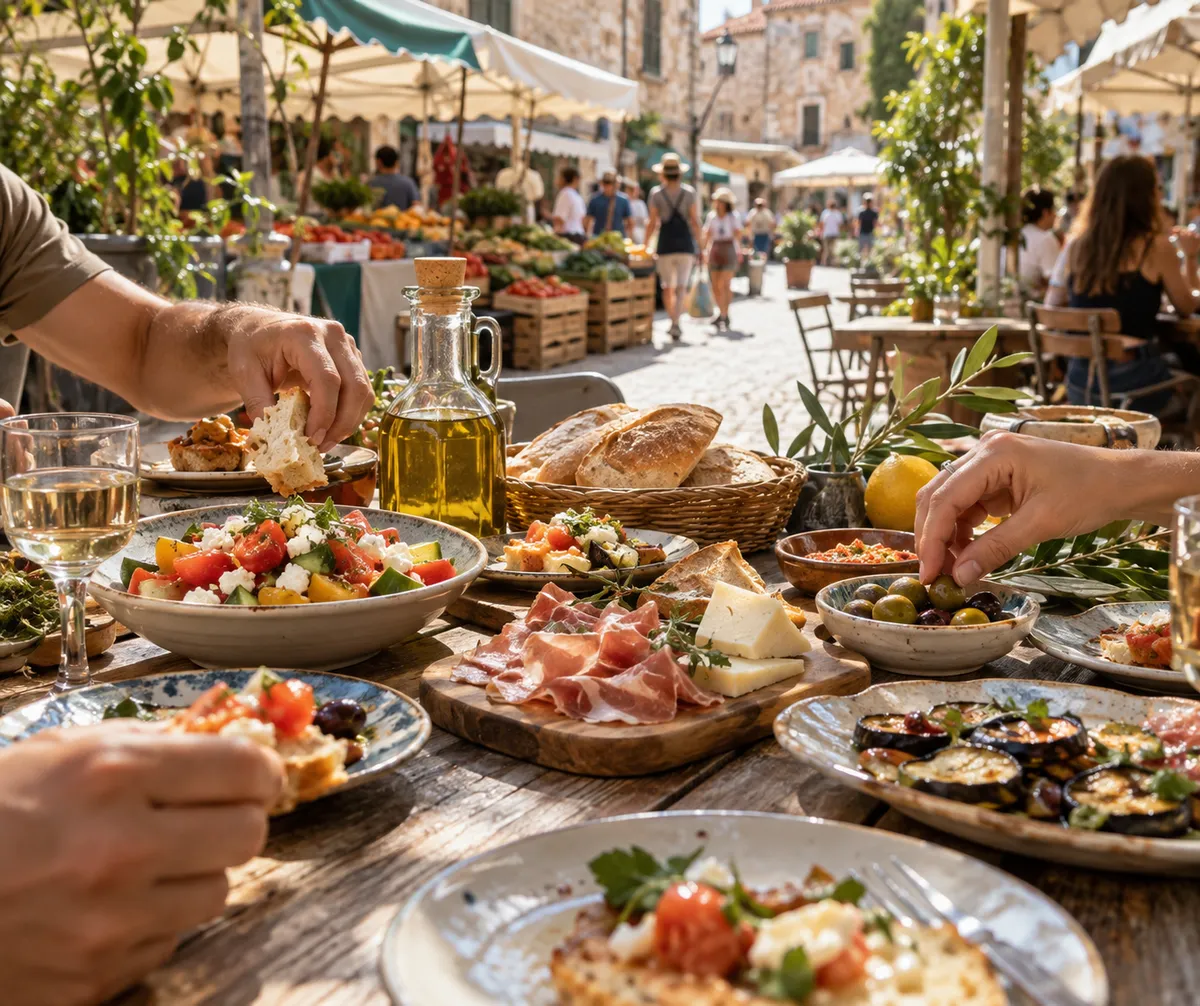
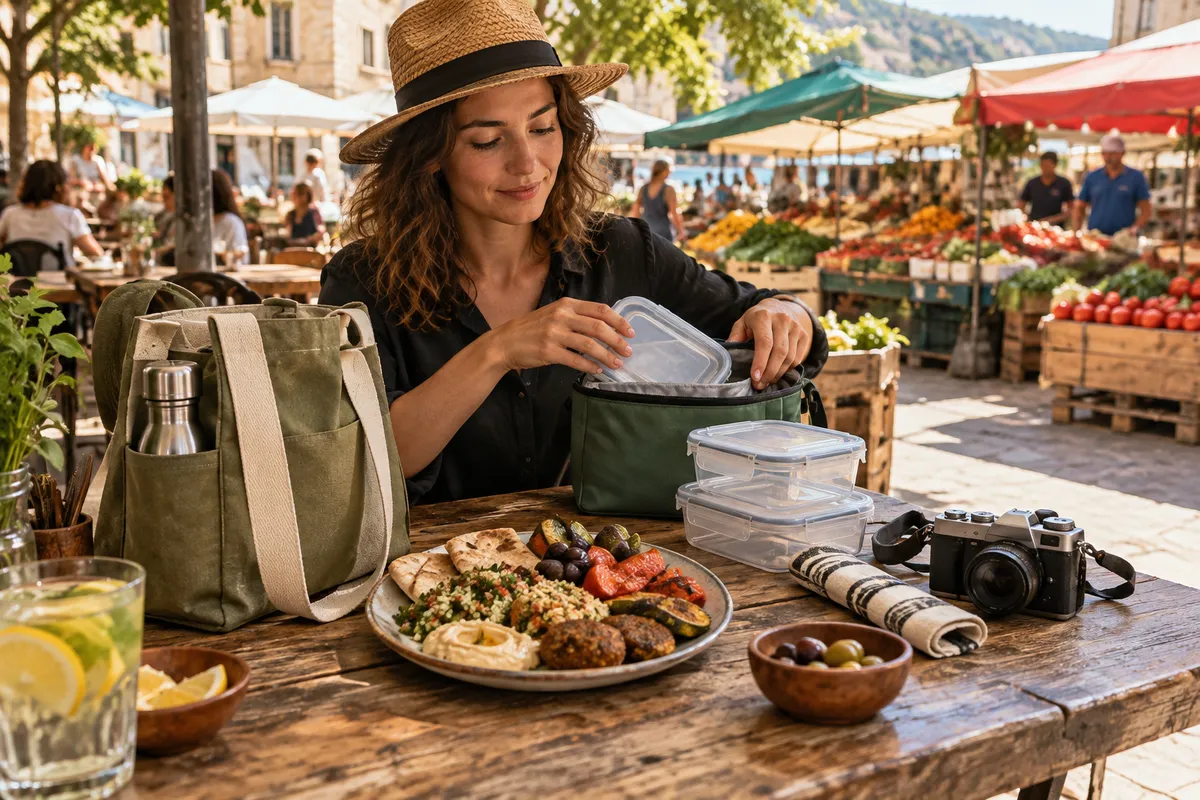
- A market morning. Markets show you what is local and in season, and they are often the easiest place to sample several things cheaply.
- A signature meal. One reservation or one well-researched restaurant per day is plenty.
- A neighborhood wander. Leave a few hours unplanned to follow your nose.
The point is to avoid the common trap of over-scheduling. Appetite is a limited resource, and a trip with three big meals a day plus snacks will wear you out by day three.
Step 3: Balance Street Food and Sit-Down Dining
Street food versus fine dining is one of the classic questions in food travel, and the useful answer is that they do different jobs.
What street food gives you
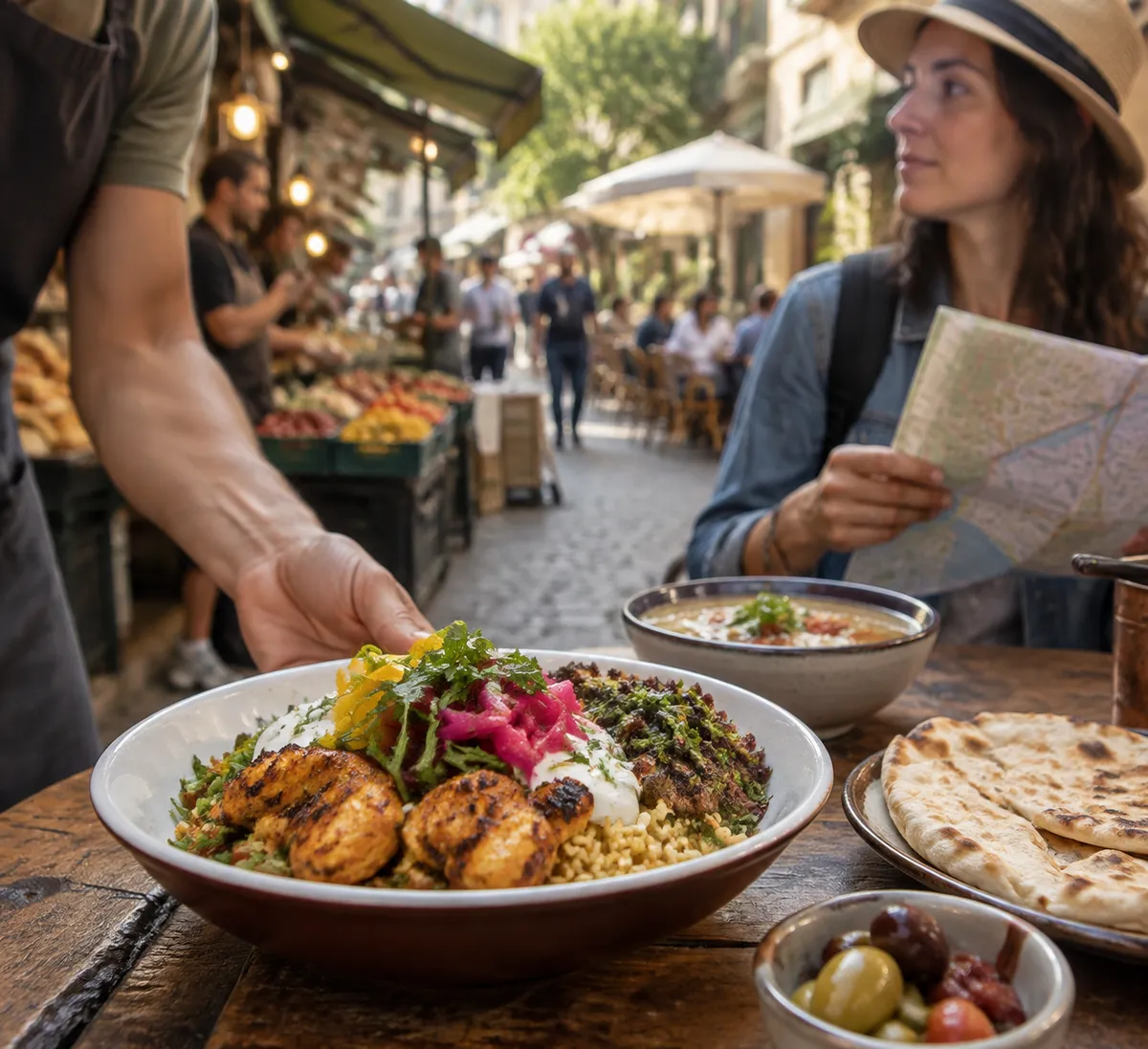
Street food is usually quick, affordable and tied closely to local habits. It lets you taste many things in a day and see how people actually eat on an ordinary Tuesday.
What a sit-down meal gives you
A restaurant meal lets you slow down, try a full progression of dishes and learn how a cuisine is presented at its most polished. Chefs and hospitality brands are increasingly treating cuisine as a tourism draw, per the Business Times coverage, so a destination's restaurant scene often reflects how it wants to be known.
A workable rhythm: street food or market snacks for breakfast and lunch, one considered sit-down meal in the evening. Swap the order on days when a long lunch suits the local custom.
Step 4: Research Before You Go, Stay Flexible When You Arrive
Do your homework on three things before departure:
- Opening days and hours. Markets and small restaurants often keep limited schedules.
- Reservation needs. Book the one or two meals you would be sad to miss, and leave the rest open.
- Regional specialties. Write a short list of dishes to look for, so you can recognize them on menus.
Once you land, let locals and what you see steer you. A busy stall or a handwritten daily menu can beat any list.
Step 5: Bring the Trip Home With a Simple Recipe
The best souvenir is something you can cook. You do not need a destination-specific recipe to start; you need a method that mirrors how a market-driven cuisine works: buy what looks best, keep the preparation simple, and let the ingredients lead.
A market-style tomato and bread salad template
This is a flexible template, not a recipe tied to any one region.
- 4 ripe tomatoes, chopped
- 2 thick slices of day-old bread, torn
- 1 small red onion, thinly sliced
- A handful of fresh herbs (basil, parsley or mint)
- 3 tablespoons olive oil
- 1 tablespoon vinegar, plus salt and pepper
Method: Toss the tomatoes with salt and let them sit for 10 minutes so they release juice. Add the bread, onion and herbs. Dress with the oil and vinegar, toss, and rest for another 10 minutes so the bread soaks up the juices. Taste and adjust.
Swap in whatever your trip taught you to love: a different herb, a local vinegar, a regional olive oil.
Why Food Is Becoming the Itinerary
The shift the Business Times describes makes sense when you look at what food offers. A landmark takes an hour to see. A meal can teach you about geography, history, farming and hospitality in the same sitting. For destinations, that makes cuisine a strong draw. For you, it means the planning method above works almost anywhere.
Pick one dish you are curious about this week, find where it comes from, and sketch a single food-anchored day around it. That is the first page of your next itinerary.