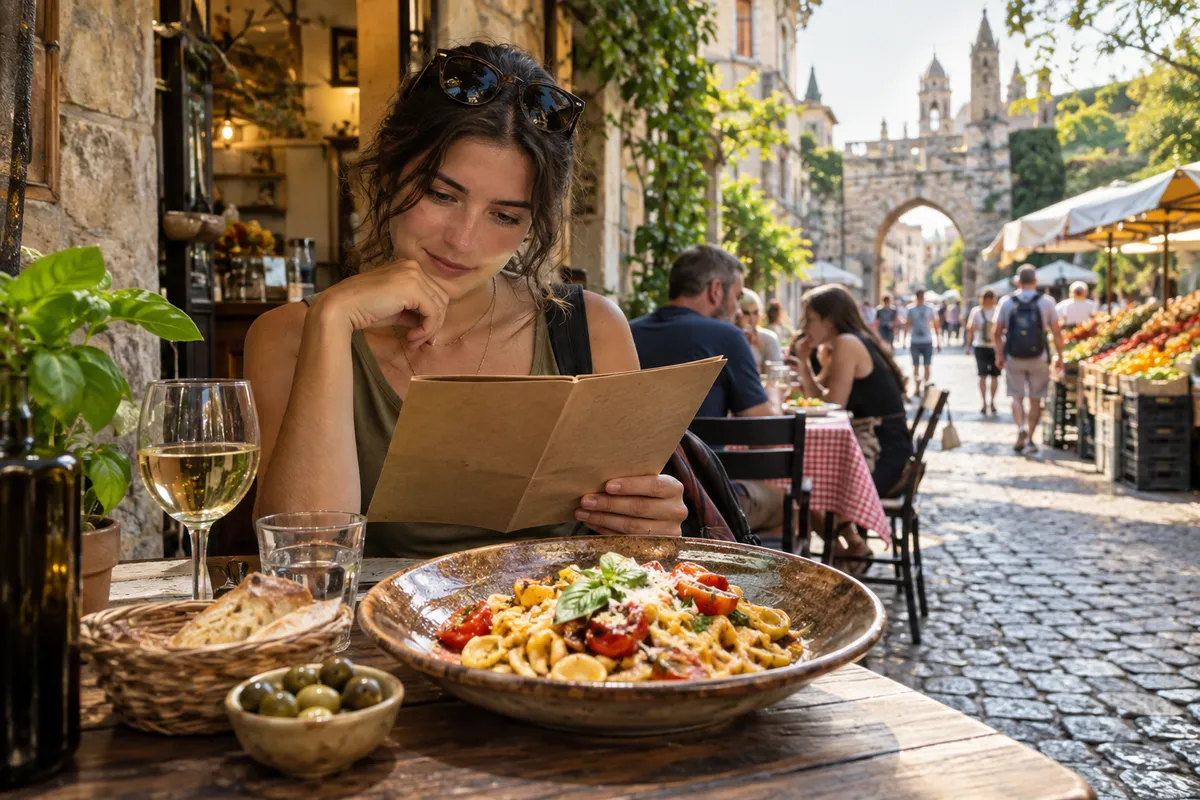
A recent New York Times piece, "How to Choose a Restaurant When You're Traveling," tackles a question every traveler hits around 5 p.m. in an unfamiliar city. We can't reproduce its advice here, so this guide builds its own decision framework on the same theme. By the end, you'll have a repeatable way to pick dinner quickly, spot a tourist trap, and decide when to book ahead and when to wander.
The stakes feel higher than they used to. Social media hype, online reviews, and hard-to-get reservations have turned a simple meal into a planning task. The fix is not more research. It is a better filter.
Start With the Meal You Want, Not the Restaurant
Before you open a single app, decide what this meal is for. Most travel meals fall into one of three types:
- The anchor meal: a planned, possibly pricier dinner that showcases the region.
- The local staple: an everyday place where residents eat the dishes the destination is known for.
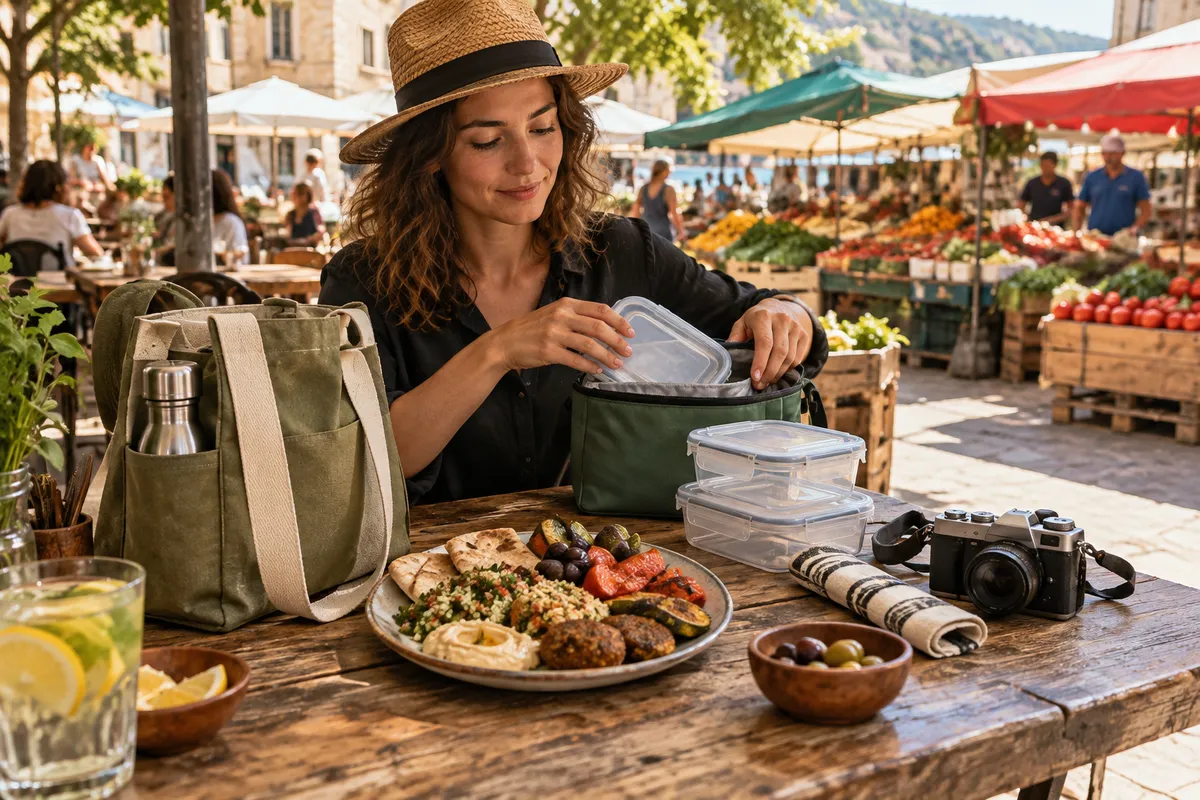
- The quick bite: street food, a market stall, a bakery counter.
A trip of several days works well with one anchor meal, a few staples, and plenty of quick bites. Naming the type first stops you from judging a $9 noodle shop against a tasting menu.
Use Reviews as a Filter, Not a Verdict
Reviews help most when you read them for patterns instead of scores. A few habits keep this from eating your afternoon:
- Read the middle. Skim a handful of three- and four-star comments. They tend to describe what the place is actually like.
- Look for specifics. Mentions of particular dishes carry more weight than "amazing!" repeated twenty times.
- Check who is writing. If reviews are mostly in the language of visitors and none in the local language, treat that as a signal to dig further.
- Set a limit. Pick a shortlist of two or three places per meal and stop.
This is our own rule of thumb rather than a finding from the Times piece, but it works: once you have two good options, more research rarely improves the outcome.
Read the Local Cues
You can learn a lot by standing outside for a minute.
The menu
A short menu built around a few regional dishes often suggests a kitchen that does a handful of things well. A giant laminated menu with photos in five languages and every cuisine imaginable is a common sign of a place aimed at passersby.
The crowd
Look for a mix of ages and groups who seem to know the routine: regulars chatting with staff, families, coworkers on a break. Empty tables at peak local mealtime deserve a question, though they may just mean you are early. Dining hours differ by region, so check when locals typically eat.
The street
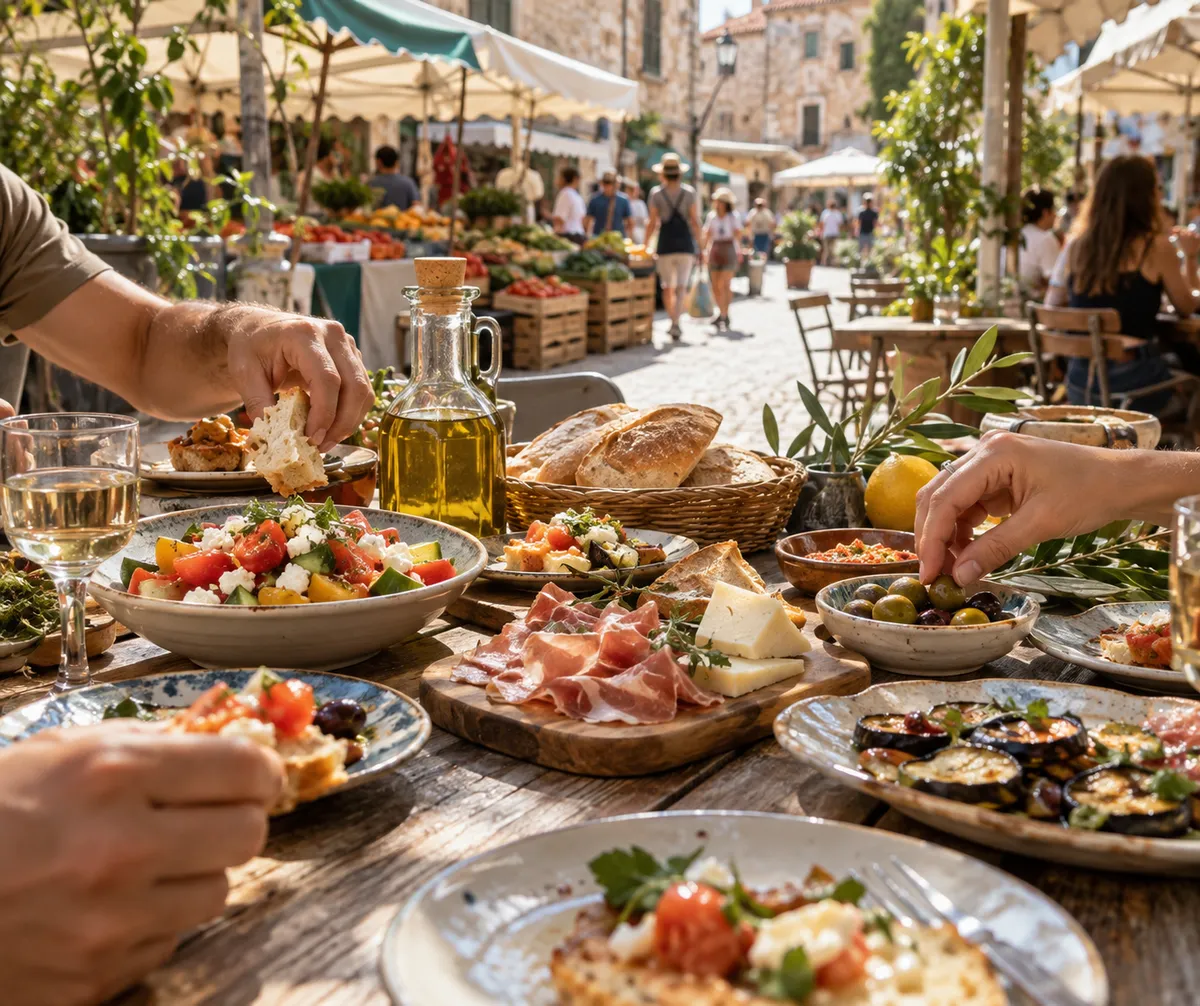
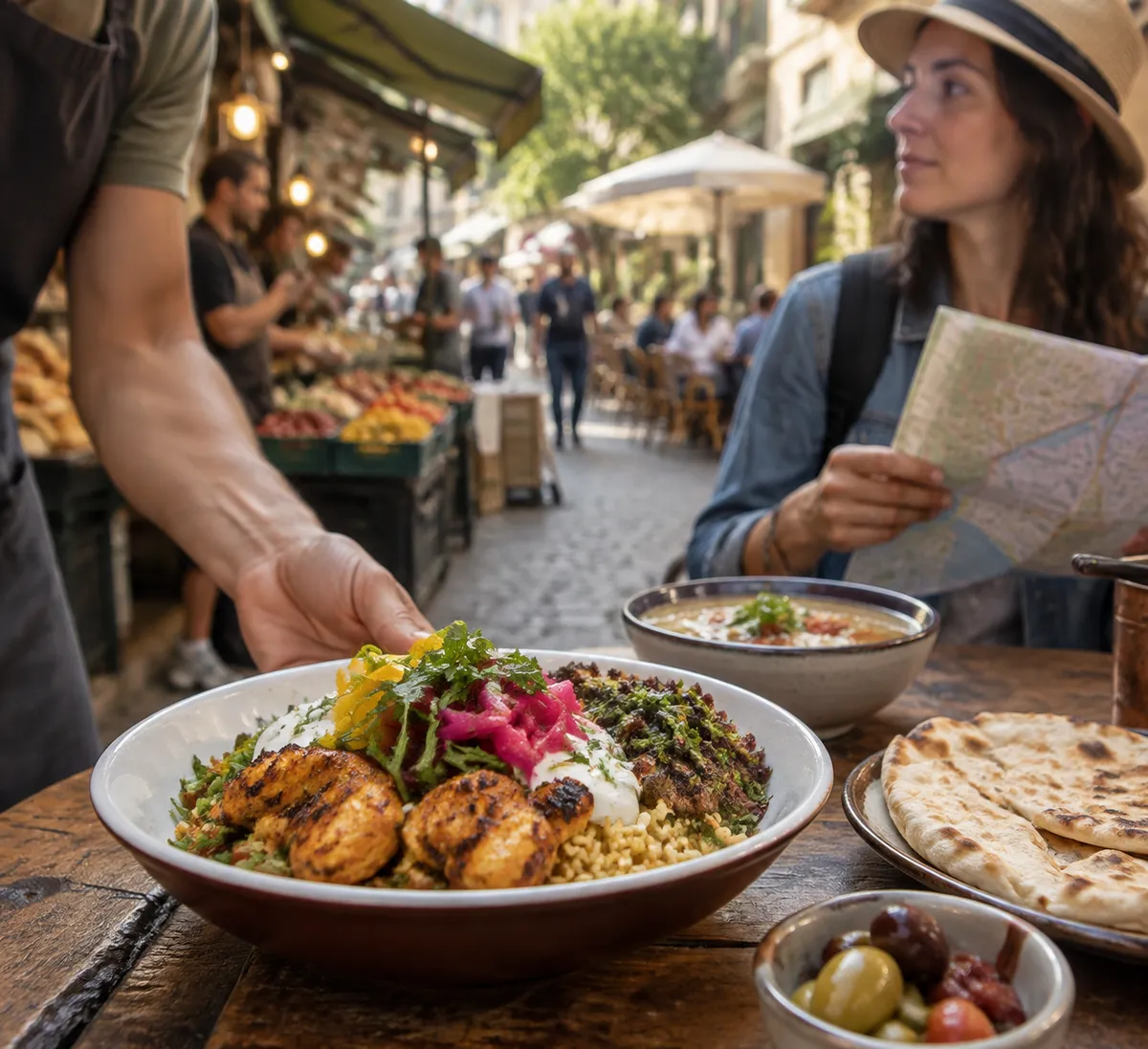
Restaurants directly beside major landmarks often cater to foot traffic. Walking a few blocks into a residential neighborhood frequently changes the picture, and so does a visit to a food market, where stalls specialize and turnover is quick.
The touts
If someone on the sidewalk is working hard to pull you in, consider it a red flag. Good places with steady business rarely need to.
Splurge or Casual Gem? A Simple Decision Rule
Choose the splurge when:
- The dish or style of cooking is central to the destination's identity.
- The restaurant takes reservations, and you can book before you leave.
- You have a specific occasion or a flexible budget.
Choose the casual gem when:
- You are short on time or tired.
- You want to try several regional specialties in one day.
- The best local version of a dish is traditionally sold at a stall, counter, or market instead of a formal dining room.
In many places, the most representative food is the cheapest. Treat a high price as a choice, not a proxy for quality.
Balance Famous Spots With Open Slots
Hyped restaurants can be worth it, but reservation scarcity means they eat up planning energy. A workable balance is to book one headline meal if it genuinely excites you, then leave other meals open. Open evenings let you follow your nose, ask a hotel front desk or shop owner where they eat, and fit in a market visit without guilt.
A Five-Step Checklist for Picking Dinner Fast
- Name the meal type: anchor, staple, or quick bite.
- Shortlist two or three places within walking distance.
- Skim reviews for dish-specific detail and a mix of voices.
- Check the cues: short menu, local crowd, no hard sell.
- Decide and commit. If the first choice has a long wait, go to number two instead of restarting the search.
A Handy Back-Pocket Move: Ask for the Local Dish
Once seated, ask the staff what the kitchen is known for or what a local would order. It signals curiosity, gets you off the tourist-default items, and often leads to the best plate on the table.
Final Takeaway
Before your next trip, write down one anchor meal and leave the rest of your dinners open. Then, each evening, run the five-step checklist and eat where it points you.