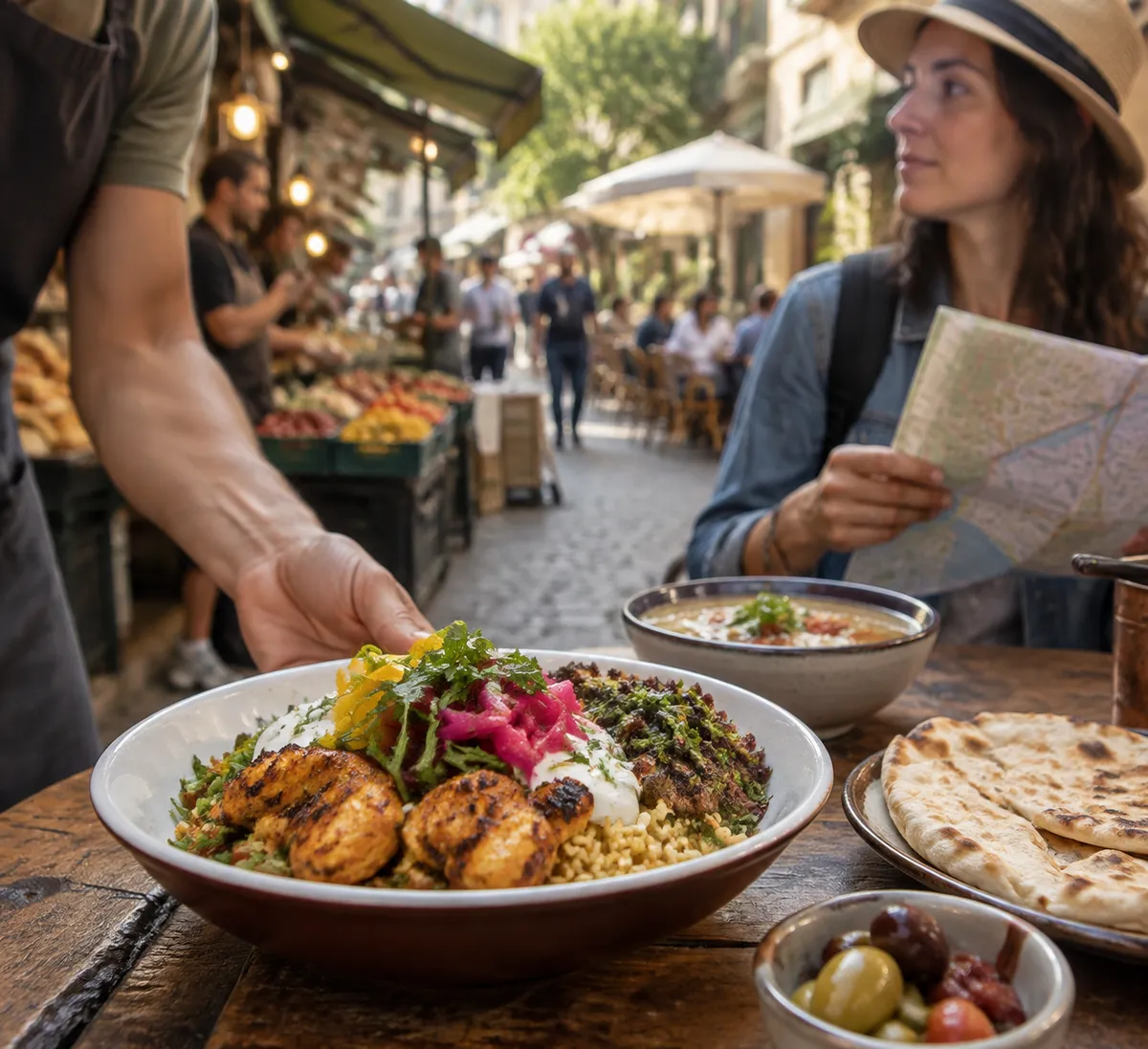
Food & Wine recently published a piece built around one idea: the best meals on a trip usually come from knowing where and how to look beyond the obvious tourist recommendations. The article's full details aren't something we can reproduce here, so this guide takes that core idea and turns it into a method you can use in any city. By the end, you'll have a repeatable way to scout meals, spot red flags, and shape a day of eating that feels worth the money.
The timing makes sense. Food-driven travel keeps growing, and as trips get more expensive, travelers want every meal to count. Generic "best restaurant" lists don't deliver that. A method does.
Start With the Dish, Not the Restaurant
Most people search "best restaurants in [city]." That query pulls up the same widely shared names. Flip it. Before you leave, find out what the place is known for eating, then hunt for where locals eat that dish.
Try searches like:
- "[city] traditional breakfast"
- "[city] street food market"
- "what do locals eat in [city]"
- "[regional dish] where to try"
You're looking for a short list of dishes, maybe three to five. That list becomes your filter for every menu and every recommendation you see.
Use Maps as a Scouting Tool
A map app is more useful when you read it like a detective rather than a shopper. A few habits help:
Look at the neighborhood, not just the rating
A cluster of small, specialized places away from the main sights often signals everyday dining. Zoom out from the landmark you're visiting and see what sits a few streets over.
Read reviews for specifics
Skip the star count and scan for reviews that name dishes, mention what's unusual, or describe how the place is used (a quick lunch, a family spot). Specifics tell you more than praise.
Check the language of the reviews
If reviews are written mostly in the local language, that's a useful hint about who actually eats there. Use your phone's translate feature if needed. Treat it as a clue, not a guarantee.
Spot the Tourist Trap Red Flags
No single sign is proof, but a few together should make you pause:
- A huge, multilingual menu with photos of everything. Kitchens that do one thing well usually offer fewer things.
- Staff recruiting passersby outside. Restaurants with a following rarely need to.
- Prime position directly facing a major landmark. Rent is high there, and the food often has to be convenient rather than great.
- Nothing on the menu connects to the region. If the list could be from anywhere, the food might be too.
On the flip side, a short menu, handwritten specials, and a lunchtime crowd of people who look like they're on a work break are encouraging signs. Again, these are rules of thumb, not guarantees.
Ask Locals in a Way That Gets Real Answers
"Where should I eat?" tends to produce a safe, generic answer. Better questions are specific and personal:
- "Where would you go for lunch on a normal weekday?"
- "Where does your family go for [dish]?"
- "If a friend visited and you had one meal to share, where would you take them?"
Good people to ask include a market vendor, a hotel front desk worker, a barista, or someone running a small shop. Keep it friendly and short, and ask for one or two places rather than a list. If you can, write down the dish name in the local language and show it.
Build a One-Day Food Itinerary
Here's a simple structure that works in most cities. Adjust it to local mealtimes, which vary widely.
- Morning: A bakery, café, or market stall for the local breakfast staple.
- Late morning: Walk a food market. Graze rather than sit down, and note what's in season.
- Lunch: The main meal for many places, and often better value than dinner. Choose one dish from your shortlist.
- Afternoon: A snack or street food stop, something small and inexpensive.
- Dinner: One planned reservation or a place you spotted during the day, with a backup nearby.
Leave gaps. The best discoveries often come when you're already hungry and walking somewhere else.
A Simple Recipe to Practice at Home
Food scouting works at home too. Before a trip, try a basic version of a regional dish so you recognize it when you see it. Here's a flexible template for a rustic tomato and bread salad, a style found across many Mediterranean regions:
- Tear about 4 slices of day-old bread into chunks.
- Toss with 4 ripe chopped tomatoes, half a sliced red onion, a pinch of salt, and a handful of torn basil.
- Add 3 tablespoons olive oil and 1 tablespoon vinegar.
- Let it sit 15 minutes so the bread soaks up the juices.
It's a small way to learn how a cuisine uses humble ingredients, which is exactly what you'll be looking for on the road.
Your Next Step
Before your next trip, write down three local dishes and one neighborhood away from the main sights. Build your first day of eating around those four things, and let everything else be a bonus.