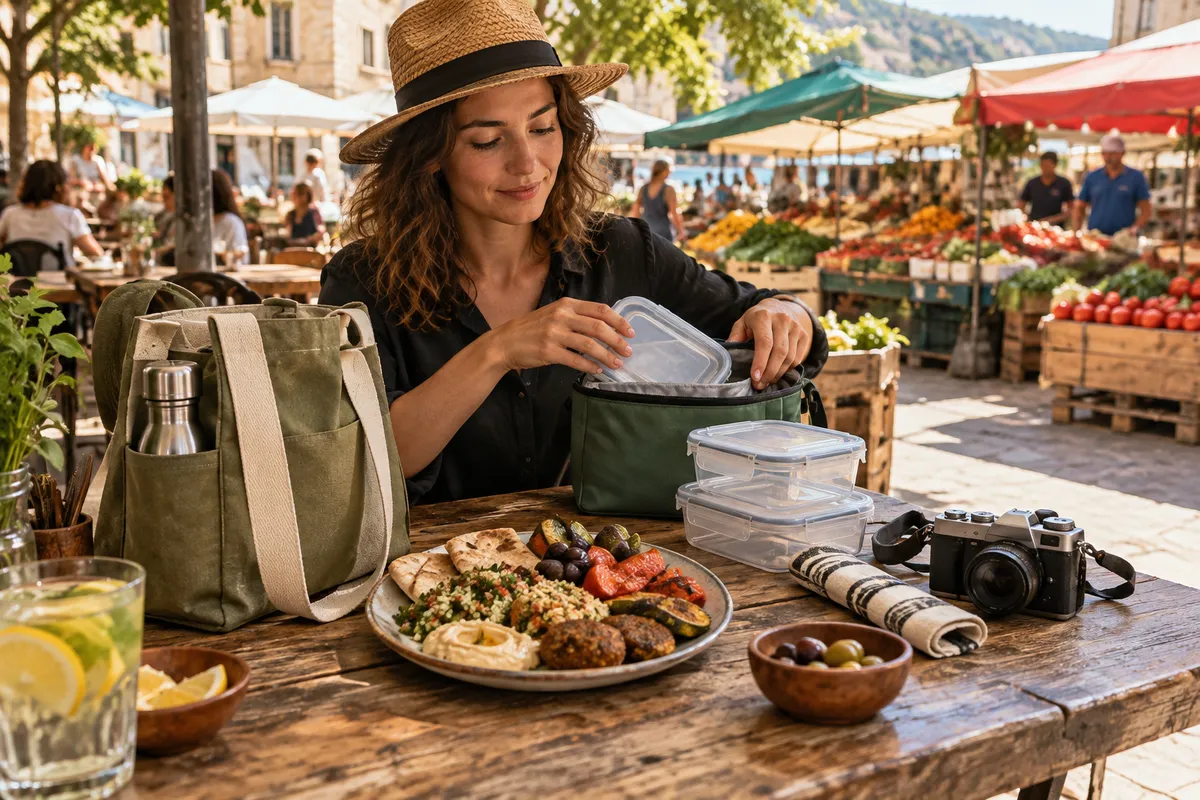
A content creator recently shared a set of overlooked travel hacks aimed at making trips smoother and less stressful, as reported by NDTV. The report centers on the idea that small, practical habits matter more than big plans. The details of each hack aren't spelled out in the coverage we have, so rather than guess at them, this guide borrows the spirit of the idea and applies it to something we care about here: eating well on the road.
By the end, you'll have a simple pre-trip checklist built for food travelers. It covers planning, packing, and daily habits that keep logistics from getting between you and a good meal.
These are our own suggestions, not the creator's. Treat them as a starting framework and adjust them to your destination.
Start With the Food Calendar, Not the Flight
Most people book transport first and discover the food later. Flip that order when you can.
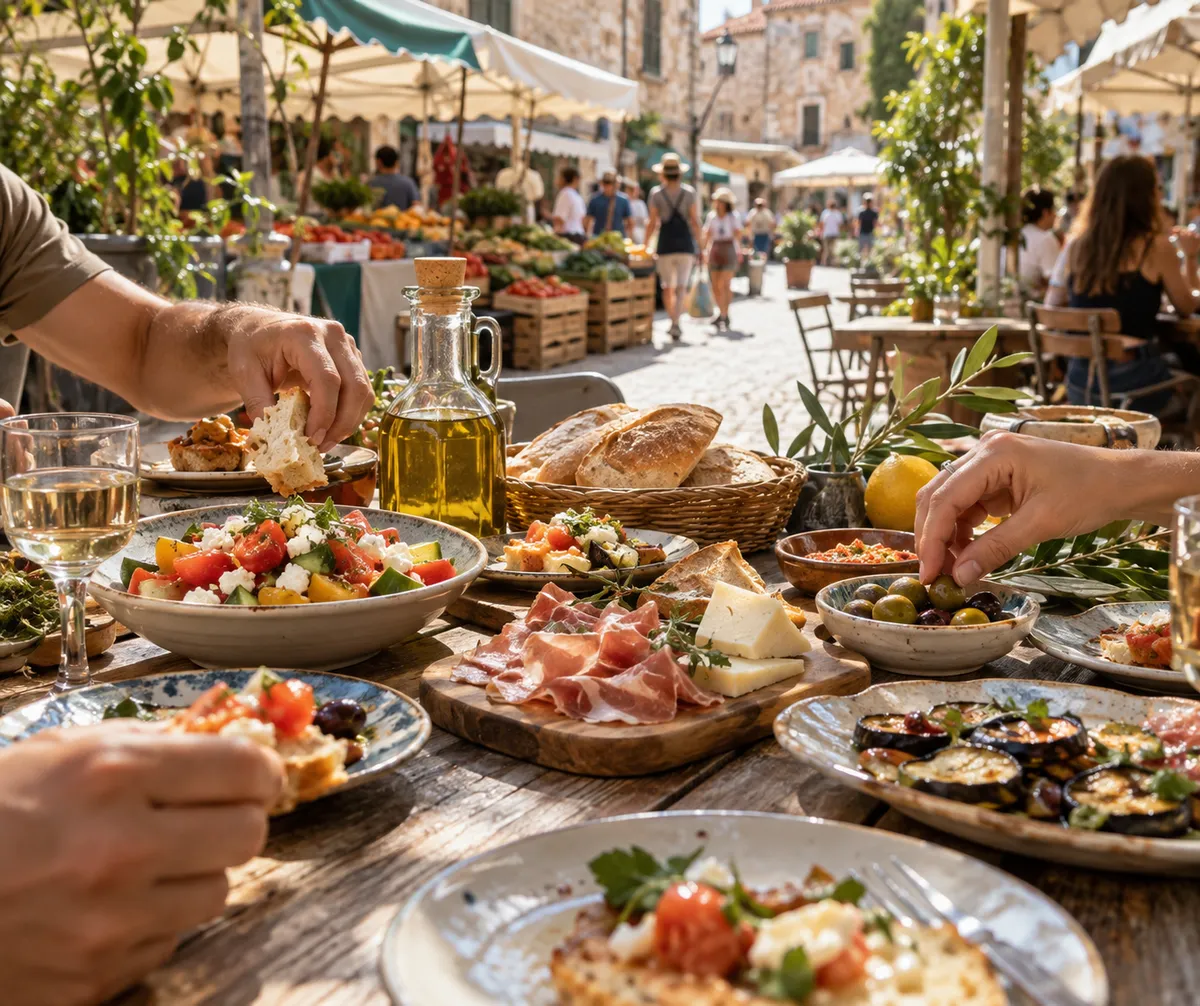
- Check market days. Many food markets run on set days or only in the morning. Look up opening hours for the places you want to visit, then arrange your itinerary around them.
- Look for local festivals. A food festival can be a highlight, but it can also mean crowds and fully booked rooms. Find out early so you can plan for either.
- Note closing days. Small restaurants often close one day a week. Confirm hours before you build a day around one meal.
Write these down in one place, such as a note on your phone, so you aren't hunting through tabs while hungry.
Build a Short Must-Eat List for Each Destination
A long list becomes a source of stress. Aim for three to five regional dishes per place, and learn what each one actually is before you arrive.
For each dish, jot down:
- Its name in the local language, so you can recognize it on a menu.
- The main ingredients, which helps with allergies and dietary needs.
- Where it's typically eaten: a street stall, a market counter, or a sit-down restaurant.
This tiny bit of research turns a confusing menu into a short, confident order.
Pack for Eating, Not Just Sightseeing
Packing tips come up often in travel advice, and food travelers have specific needs.
- A small foldable tote for market finds.
- Wet wipes or hand sanitizer for street food eaten standing up.
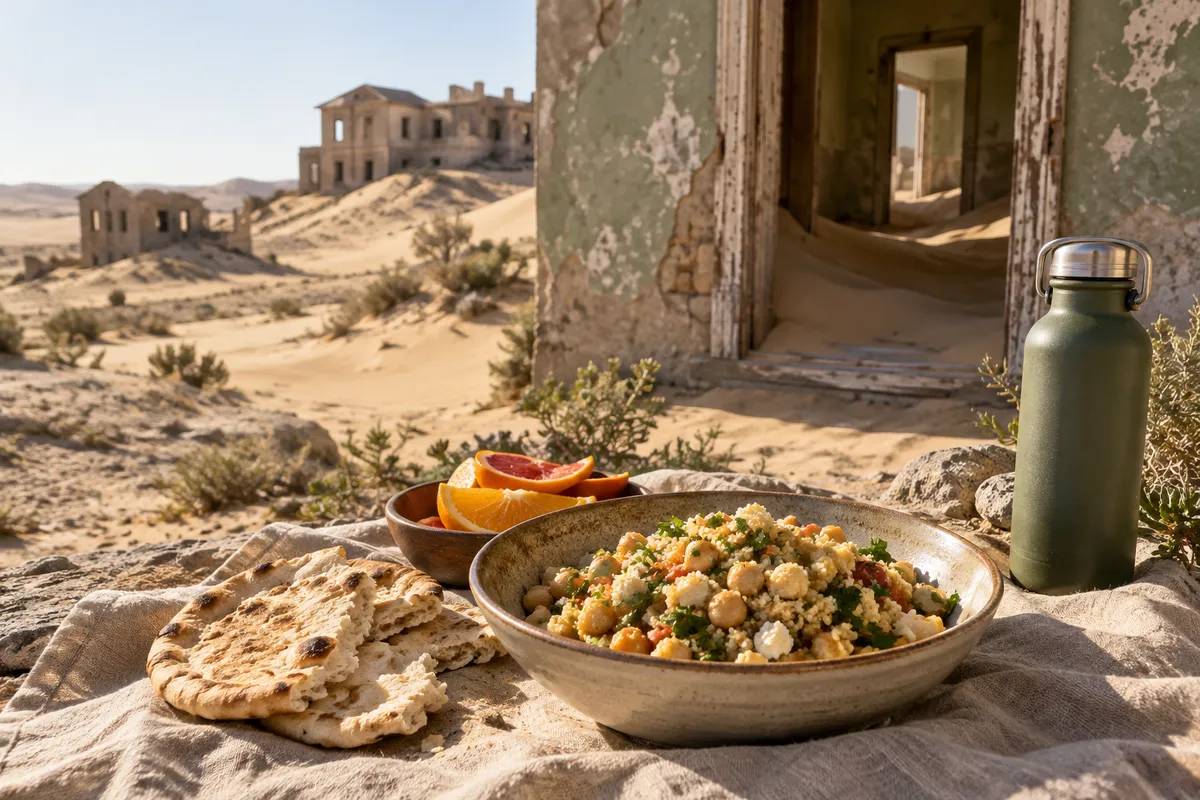
- A reusable water bottle so you can stay hydrated while walking between stops.
- Zip-top bags for leftovers, spills, or dry snacks like nuts and spices.
- A little empty space in your bag for anything you buy.
If you plan to bring edible souvenirs home, check your airline's baggage rules and your destination country's food import rules before you shop. Rules on liquids, fresh produce, meat, and dairy vary, so verify them with official sources rather than assuming.
Plan Your Eating Rhythm
Good food days rarely happen by accident. A loose structure helps:
- Eat the big local meal when it's at its best. In many places that means a long lunch.
- Snack small. Sharing plates or ordering one item at each stall lets you taste more without getting full too soon.
- Keep one meal unplanned. Some of the best finds come from following a queue of locals.
Know How to Spot a Good Market Stall
Without inventing rules, a few common-sense cues are widely used by travelers:
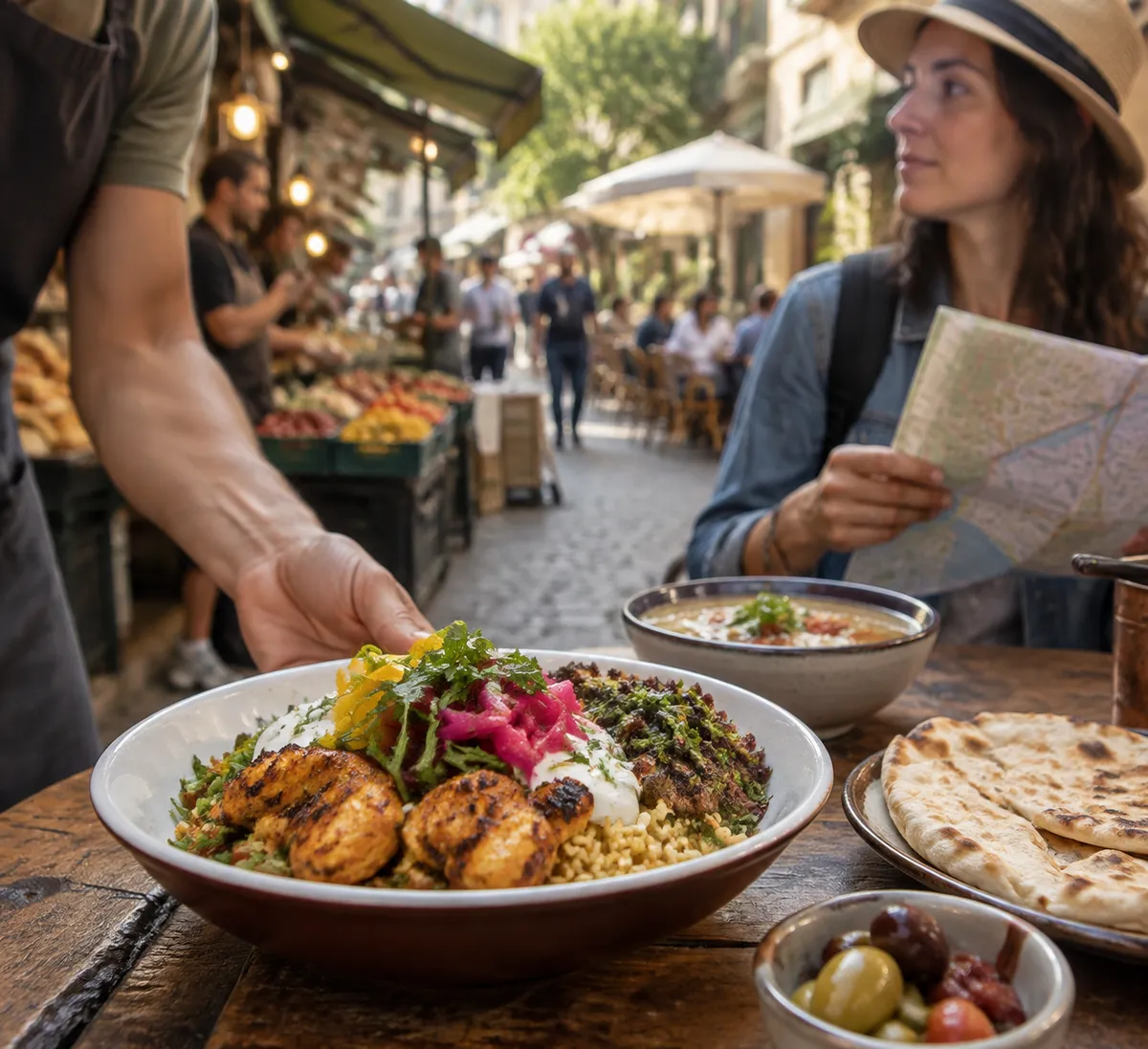
- A steady stream of customers suggests food is being cooked and sold quickly.
- A short menu often means the cook specializes in a few things.
- Food prepared in front of you lets you see how it's handled.
These are rules of thumb, not guarantees. Use your own judgment and skip anything that doesn't feel right.
A Simple Recipe to Bring the Trip Home
When you return, cooking one dish from your destination keeps the memory going. Here's a flexible template that works for many regional soups and stews, with no specific cuisine required:
- Soften chopped onion and garlic in oil over medium heat for about 10 minutes.
- Add a spice or herb you picked up on your trip and stir for a minute.
- Add your main ingredient, such as beans, vegetables, or chicken, plus enough stock to cover.
- Simmer until everything is tender, then season with salt and a squeeze of lemon or a splash of vinegar.
- Serve with bread, rice, or whatever the local custom suggests.
Swap in the ingredients from your own trip, and the dish becomes yours.
Your Pre-Trip Checklist, Condensed
Save this for your next departure:
- Market days and closing days noted
- Three to five must-eat dishes researched
- Tote, wipes, water bottle, and bags packed
- Luggage space and customs rules checked
- One meal left open for discovery
The takeaway: before your next trip, spend fifteen minutes writing your food checklist, then let the rest of the trip stay flexible.