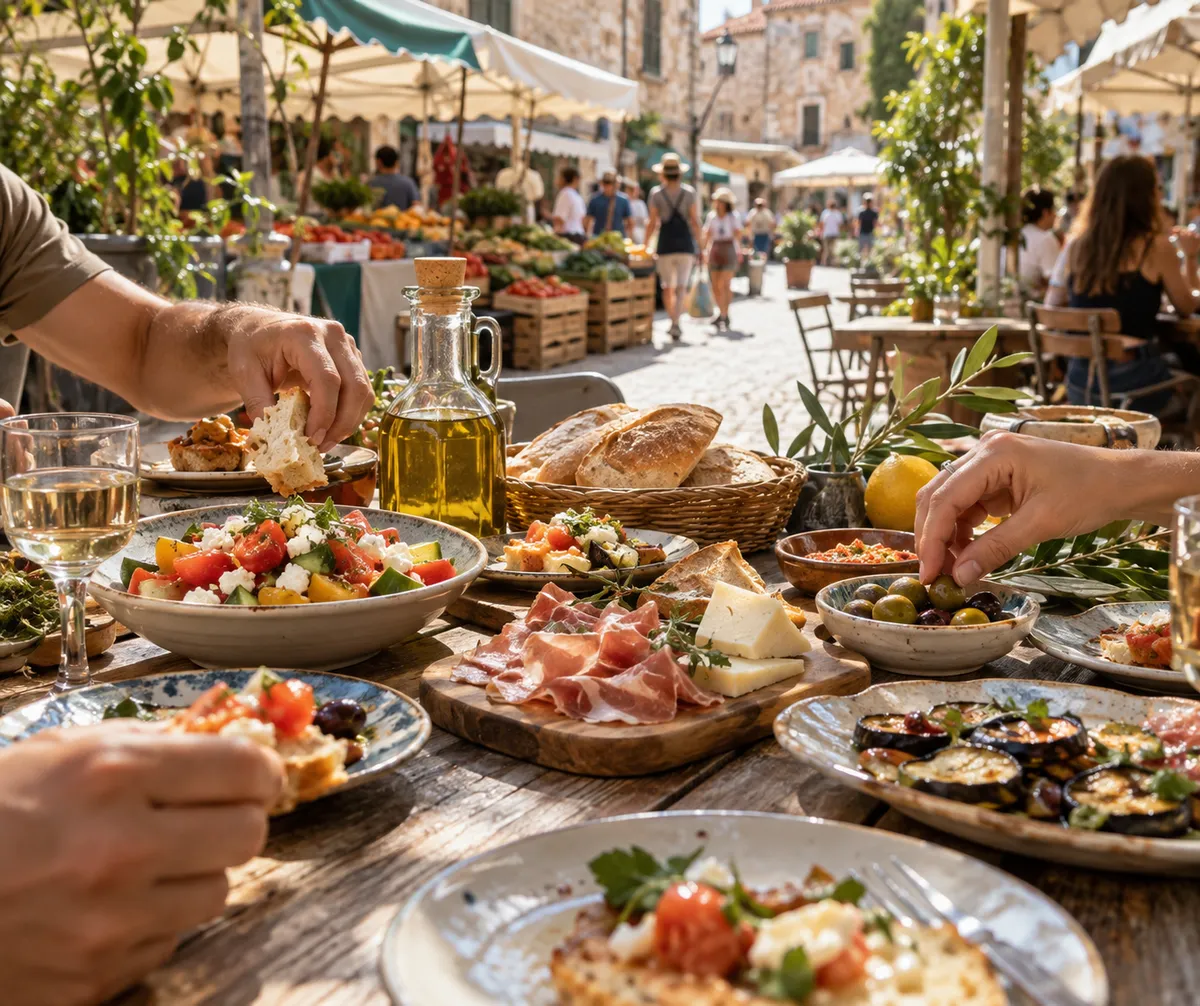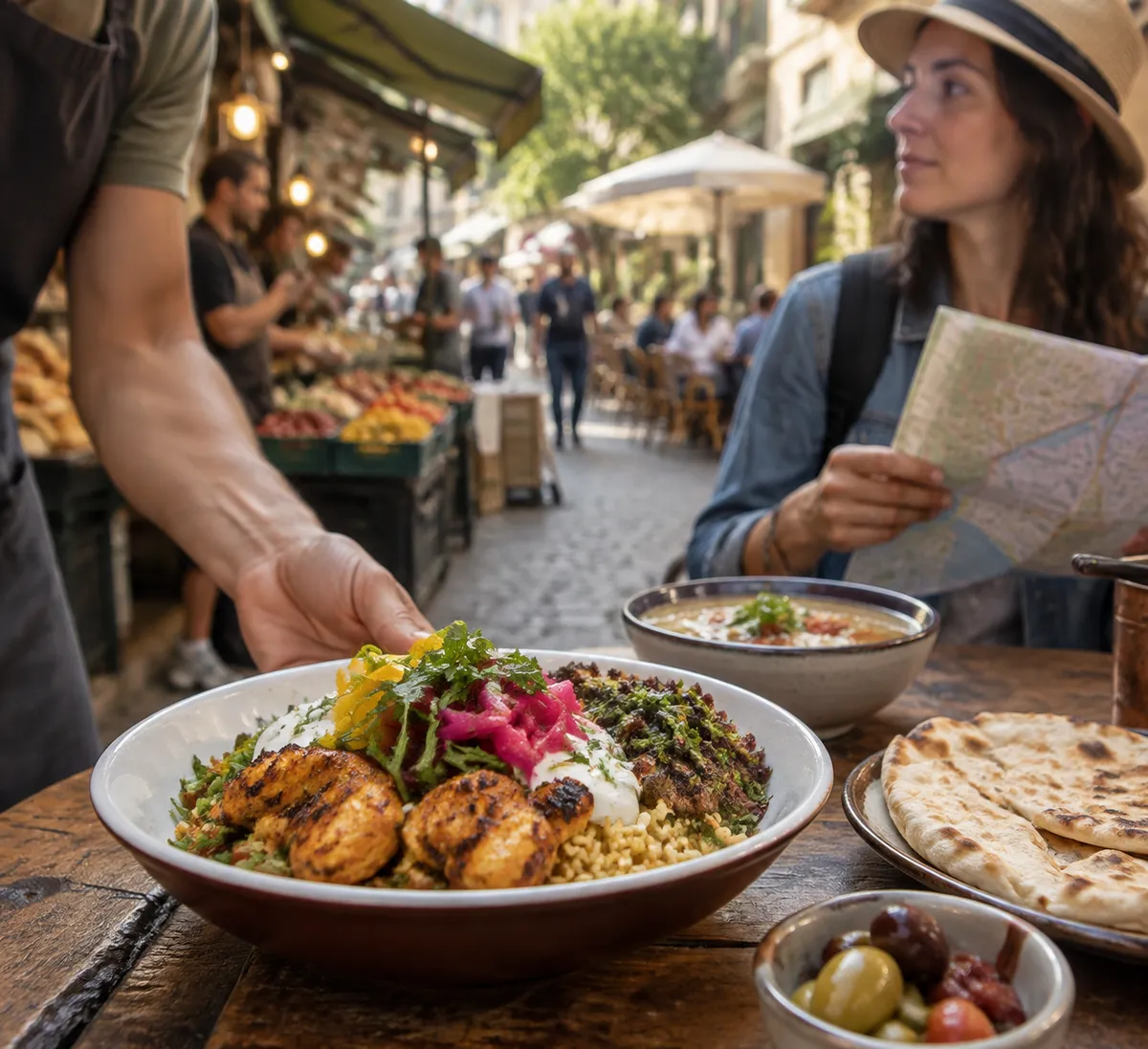
Italy's best meals rarely happen at the famous address with the queue outside. They happen when you slow down, step off the main route and eat the way the people around you do. That is the thread running through Qantas's list of 15 expert tips for travelling Italy like a local, from Maria Pasquale, author of "How to be Italian". Her advice covers the whole trip, but a good share of it translates straight to the table. Here is how to apply it to eating, with specifics you can use on your next visit.
I've pulled out the food-relevant ideas from her list and added practical ways to act on them. The list itself is Pasquale's; the suggestions for applying it are mine.
Follow Italian dining rhythms
Pasquale's list includes following Italian dining rhythms. In practice, that means treating meals as fixed points in the day rather than something you squeeze between sights. Build your schedule around lunch and dinner, not the other way round.
A simple way to start: pick one meal each day as the anchor, look up nothing beyond a neighbourhood, and let the rest of the day bend around it. Notice when locals sit down, then match them. If a place is empty while everyone else eats elsewhere, that tells you something about timing.
Visit markets and small food shops
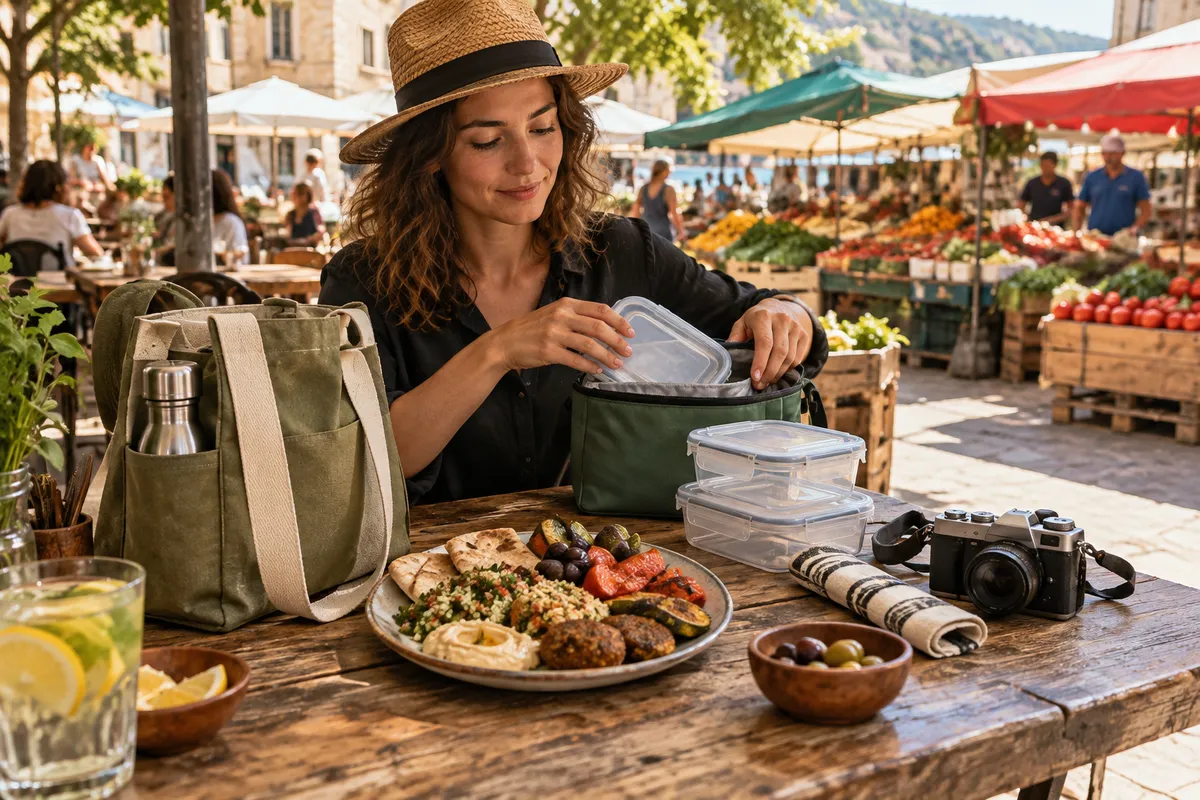
Another tip on the list is to visit markets and small food shops. These are the easiest places to see what a region actually eats, and they are forgiving for visitors: you can point, taste and buy a small amount.
Try this:
- Go in the morning, when stalls are fully stocked.
- Buy for a picnic: bread, cheese, cured meat, fruit.
- Ask what is local or in season, and let the answer decide what you buy.
- Buy small quantities. A hundred grams of something is a perfectly normal request.
You get a cheap, memorable meal and a feel for the place that a restaurant menu can't give you.
Choose regional dishes
Pasquale also recommends choosing regional dishes. Italy's food changes from region to region, so ordering what is local to where you are beats ordering your favourite dish from home.
A habit that helps: before each new city or town, look up one or two dishes the area is known for, then scan menus for them. If a menu offers a bit of everything from across the country, that is a hint it may be aimed at tourists rather than locals. That last point is my rule of thumb, not Pasquale's.
Make time for coffee culture
Coffee culture is on her list too. Treat coffee as a short ritual rather than a takeaway fuel stop. Step into a bar, order, drink it and carry on. It is quick, cheap and one of the simplest ways to join the daily routine around you.
It also connects to another of her tips: connecting with locals through daily rituals. A morning coffee at the same spot two days running does more for a friendly exchange than any phrasebook line.
Learn a few Italian phrases
Learning a few phrases is item six. For food, that is enough to be useful. Aim for a handful you can say confidently:
- A greeting and a thank-you
- How to ask what the house specialty is
- How to ask for the bill
Even a halting attempt tends to be received warmly, and it turns ordering into a conversation instead of a transaction.
Embrace the passeggiata
The passeggiata, the unhurried stroll, is another item on Pasquale's list. Pair it with eating: wander before dinner to build an appetite and see which places fill up, or walk afterward rather than rushing back to your hotel. It costs nothing and gives you the best view of how a town spends its evenings.
Avoid over-planning, and leave the hotspots
Several items on the list point the same direction: slow down your itinerary, avoid over-planning every hour, take detours from tourist hotspots, spend time in local neighbourhoods and explore beyond the big cities. Qantas notes that overtourism is reshaping popular destinations such as Rome, Venice and Florence, and a shift toward slower, more respectful travel is under way.
For eaters, the payoff is concrete. A day with two or three planned stops leaves room for the bakery you walked past or the market you stumbled into. Staying a few nights in a smaller town, or in a residential neighbourhood of a big city, puts you near everyday food shops rather than only the sights.
Travel by train where possible
Pasquale suggests travelling by train where possible. It suits food-led trips well: no driving after a long lunch, and smaller towns become easy day trips from a base. Choose a destination for what it cooks, hop off, eat, and head back.
Respect local customs
Respecting local customs is on the list, and the table is where customs show up most. Watch before you act. Observe how people order, whether they stand or sit, and how they pay, then follow along. When in doubt, ask politely. It is a low-effort way to be a good guest.
A simple recipe to carry home: tomato and bread picnic plate
This is not from Pasquale's list. It is a simple idea inspired by the market-shopping tip, and it works with whatever you find at a stall or at home.
You need: ripe tomatoes, good bread, olive oil, salt, a little cheese, and fresh basil if you have it.
- Slice the tomatoes and lay them on a plate.
- Sprinkle with salt and let them sit for ten minutes.
- Drizzle with olive oil and tear basil over the top.
- Serve with bread and cheese.
The point is ingredient quality, not technique. Buy the best tomatoes you can find, ideally in season.
Do as the Romans do
Pasquale's final tip is the summary of the rest: do as the Romans do. At mealtimes, that means eating what's local, when it's normal, without hurrying.
Your next step: before your trip, choose one ritual from this list, such as the market visit, the morning coffee or the evening passeggiata, and schedule it into every day. Then let the rest of the plan stay loose.