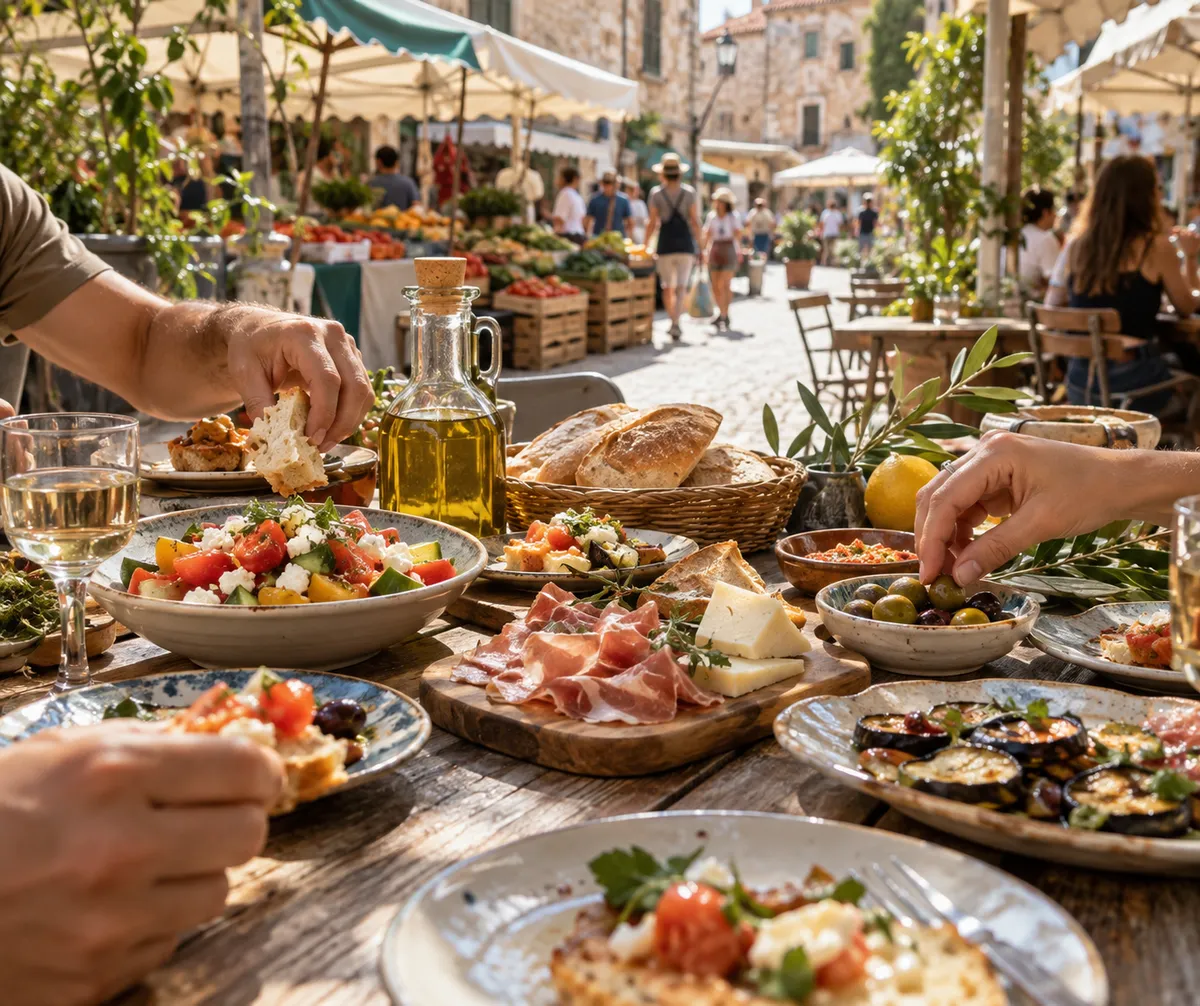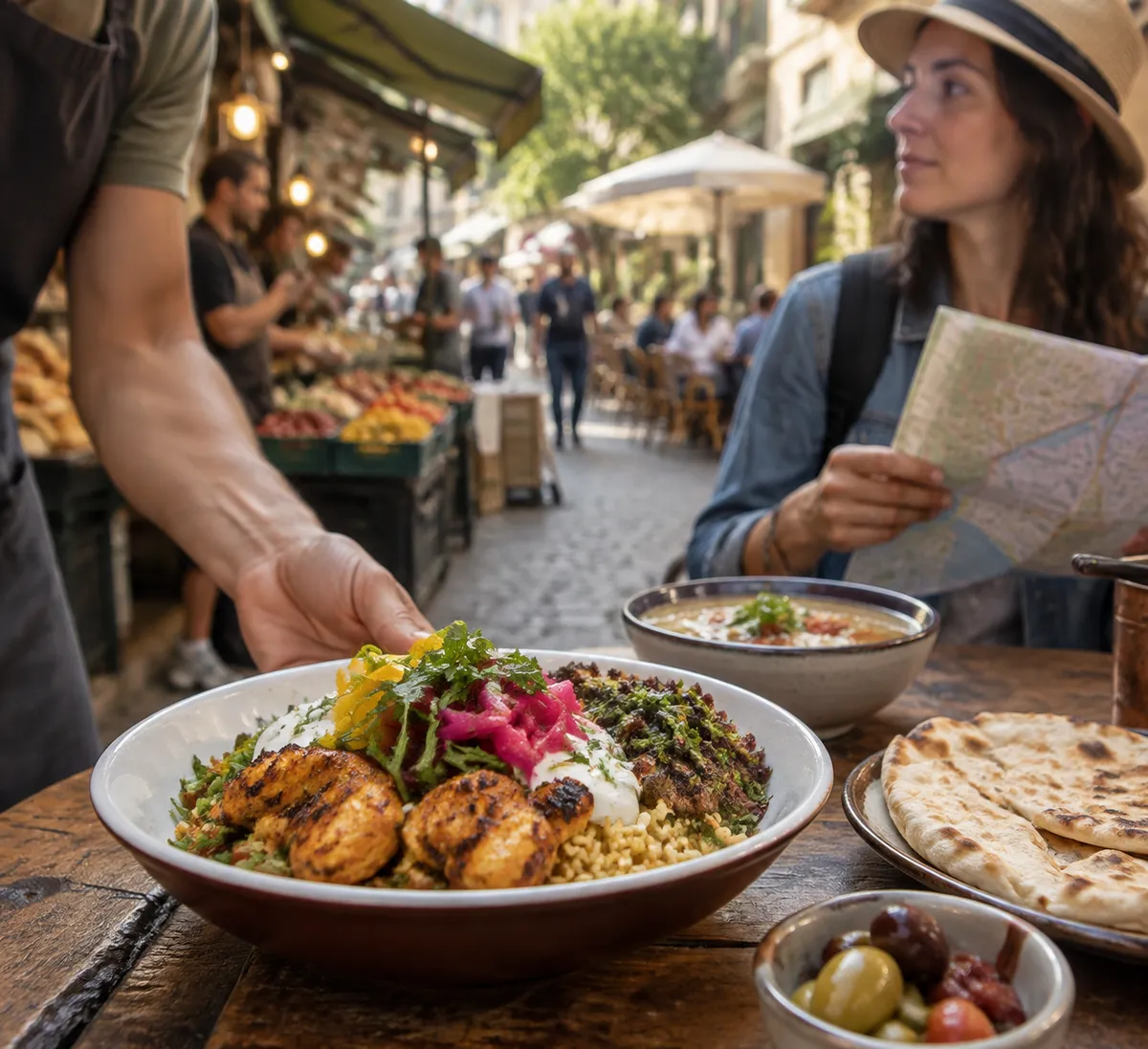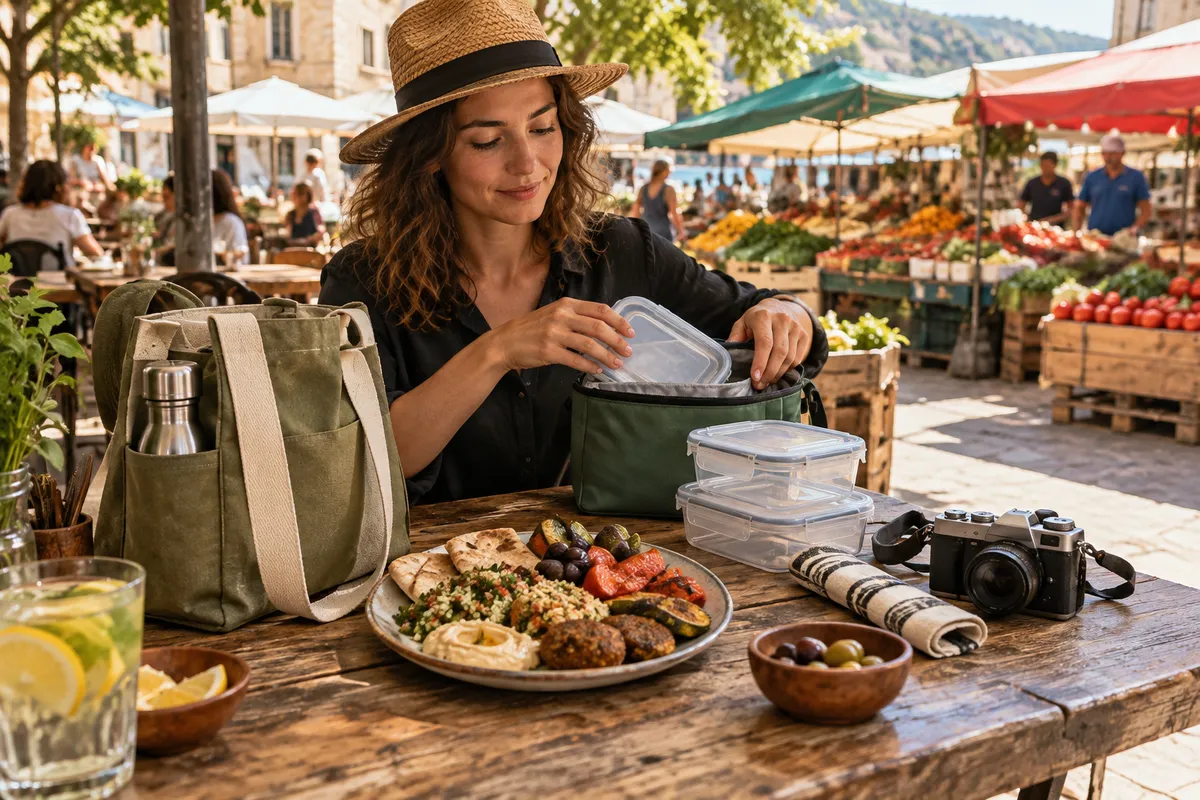
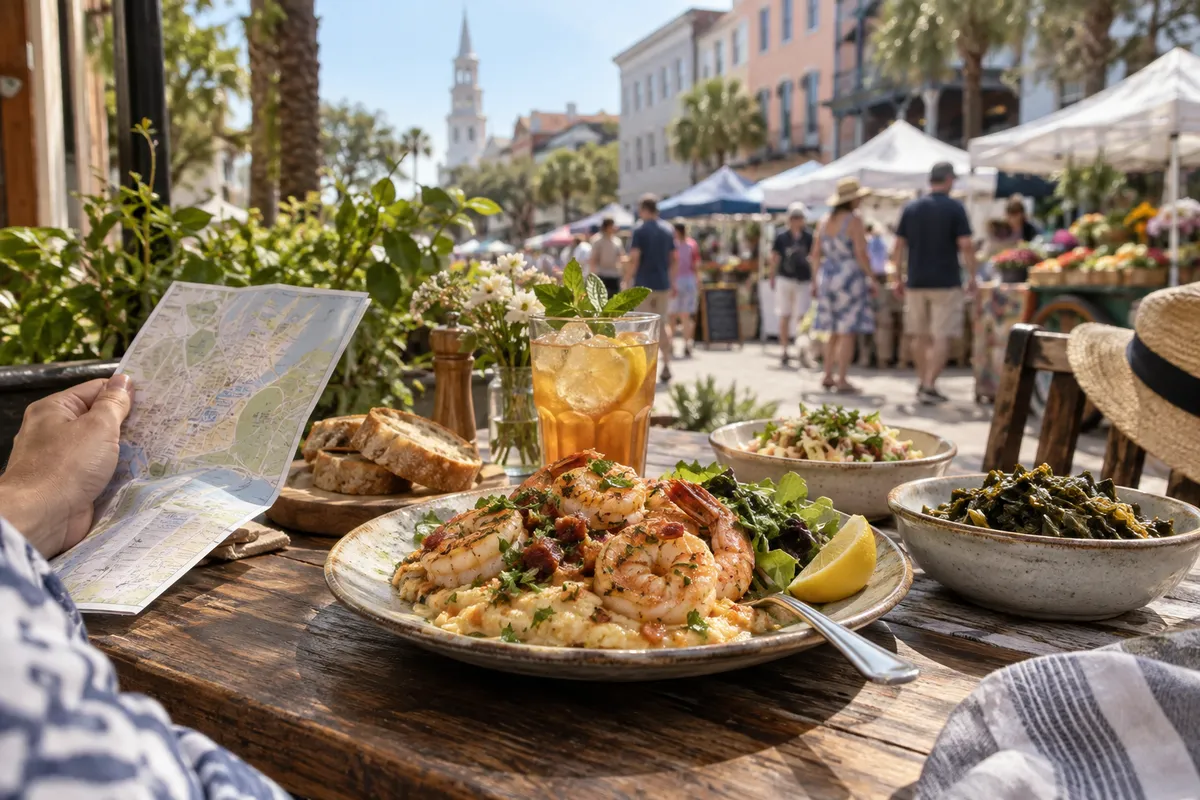
Travel + Leisure recently ran a piece in which chef and TV personality Carla Hall shares her favorite Charleston restaurants and a simple trick she uses to find great food when she travels. The full details sit in that article, and I can't reproduce her specific picks or her exact method here without inventing them. So this guide does something more useful: it shows you how to build your own Charleston food plan the way a food-minded traveler would, then points you to the source for Hall's own list.
Start With the Source
If you're planning a Charleston trip, read Hall's original interview in Travel + Leisure first. Per the outlet, it covers both her favorite restaurants in the city and the strategy she relies on to find good food anywhere. A named chef's recommendations are a strong starting point because they come from someone who eats for a living and has a reason to be picky.
Treat her list as your anchor, then build around it.
Why Charleston Rewards a Food-First Trip
Charleston is widely regarded as one of North America's major culinary destinations, and food-driven travel keeps shaping how people choose where to go. That reputation means two things for you:
- There is more good eating than any single trip can cover, so you need a plan.
- Popular spots can be busy, so booking ahead for the places you care about most is a sensible habit.
Build a Simple Food Map
A chef's list works best when you turn it into a route. Here is a practical way to do it.
Step 1: Pick your anchors
Choose two or three restaurants from a trusted recommendation, such as Hall's. These are your fixed points. Reserve them first.
Step 2: Cluster by neighborhood
Plot each anchor on a map and note what's within a short walk. Eating near your anchors saves transit time and gives you spontaneous options when plans shift.
Step 3: Leave open slots
Don't schedule every meal. Keep at least one lunch or snack unplanned so you can follow a good smell, a line of locals, or a tip from someone you meet.
Step 4: Mix formats
Balance one sit-down dinner with casual meals, markets, and counter-service stops. You'll taste more of the city's range and spend less energy on formality.
Eat Like a Local Anywhere
The broader lesson in Hall's story is that great travel meals rarely come from guessing. They come from a method. Whatever her specific trick is, you can pair it with habits that work in any city:
- Ask people who live there. A hotel front-desk worker, a shop owner, or a bartender will often point you somewhere you wouldn't find online. Ask where they eat on their day off, not where visitors go.
- Order the regional dish. When you're in a place known for its cooking, choose what the menu treats as its own rather than something you could get at home.
- Be flexible on timing. Eating a little earlier or later than peak hours often means a calmer room and more attention from staff.
- Go where the menu is focused. A short menu that stays in its lane often signals a kitchen that knows what it's doing. That's a general rule of thumb, not a guarantee.
A Low-Effort Recipe to Bring Home the Trip
You don't need a Charleston kitchen to carry some of the Lowcountry feeling home. A pot of simple stone-ground-style grits is a good place to start, since grits are a staple of Southern cooking.
Creamy Stovetop Grits
Ingredients: 1 cup grits, 4 cups water or stock, 1 teaspoon salt, 2 tablespoons butter, black pepper.
- Bring the water or stock and salt to a gentle simmer.
- Whisk in the grits slowly to avoid lumps.
- Lower the heat and cook, stirring often, until thick and tender. Cooking time varies by grind, so follow your package directions.
- Stir in the butter and finish with pepper. Add more liquid if it gets too thick.
Top with whatever you like: a fried egg, sautéed greens, or sautéed shrimp.
What to Do Before You Book
- Read Hall's Travel + Leisure interview for her actual restaurant picks and her trick.
- Reserve your top two anchors.
- Map nearby options and leave one meal open.
- Ask a local on arrival where they'd eat tonight.
The best food map is half research and half curiosity. Make the reservations, then leave room to be surprised.