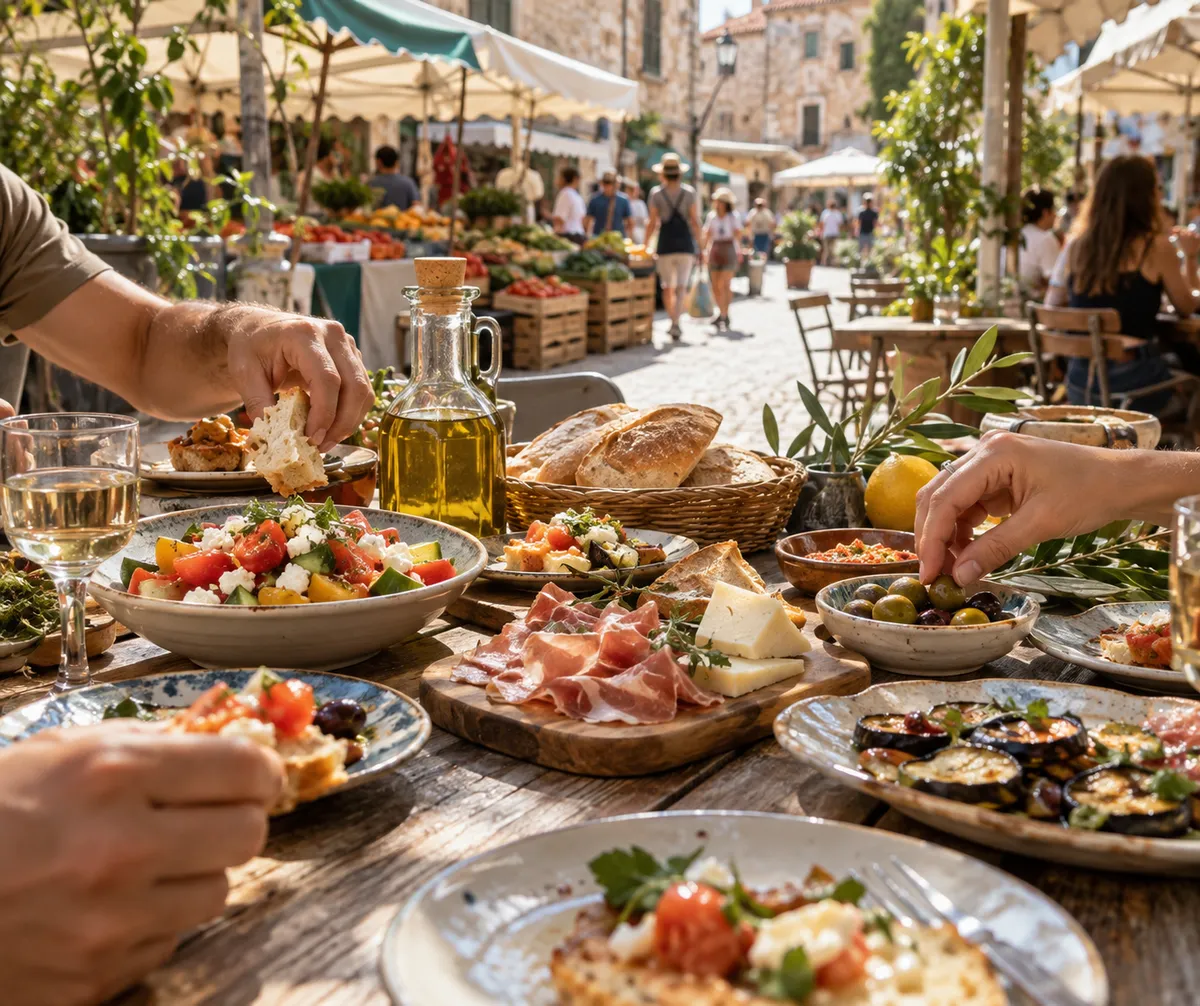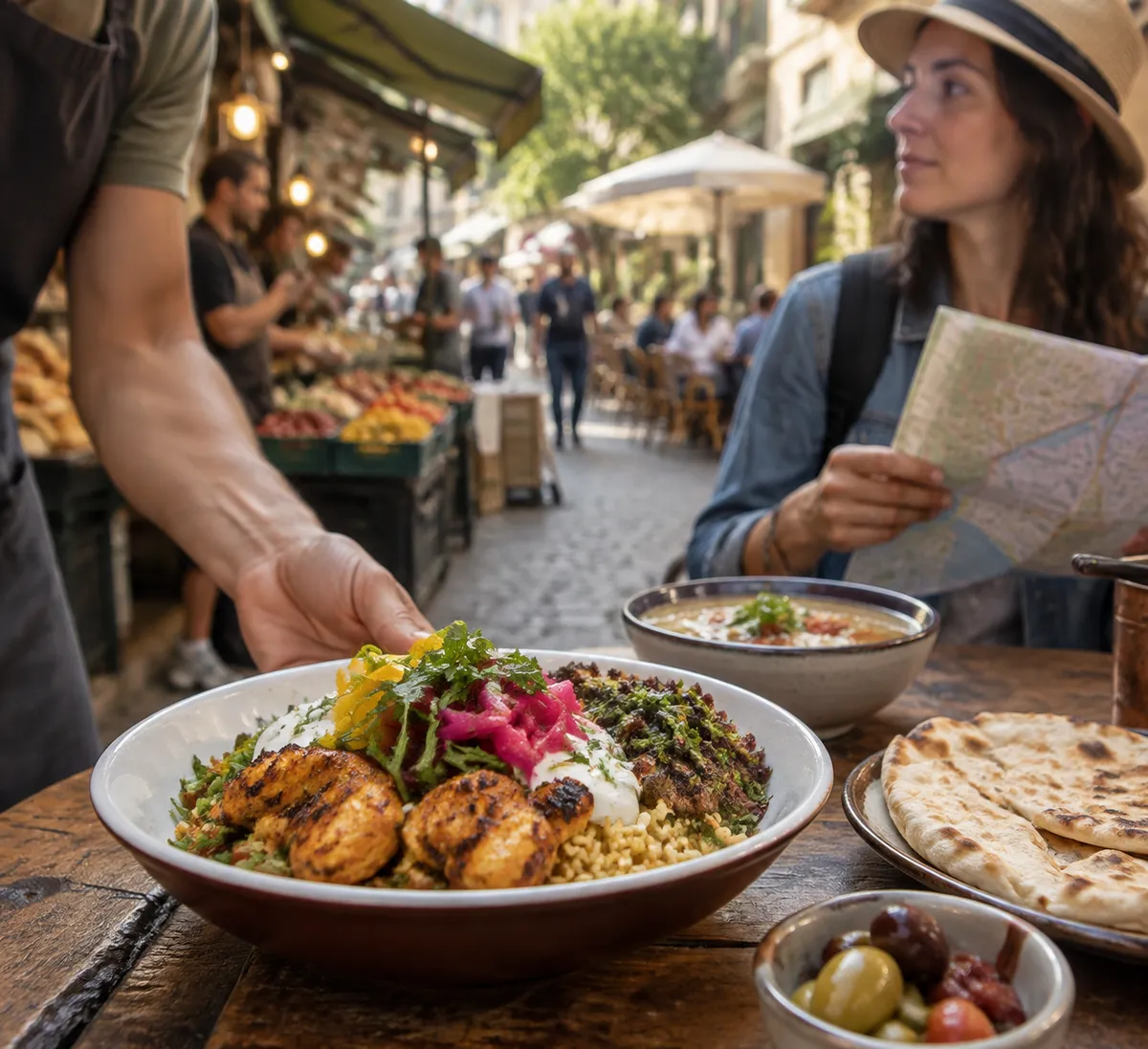
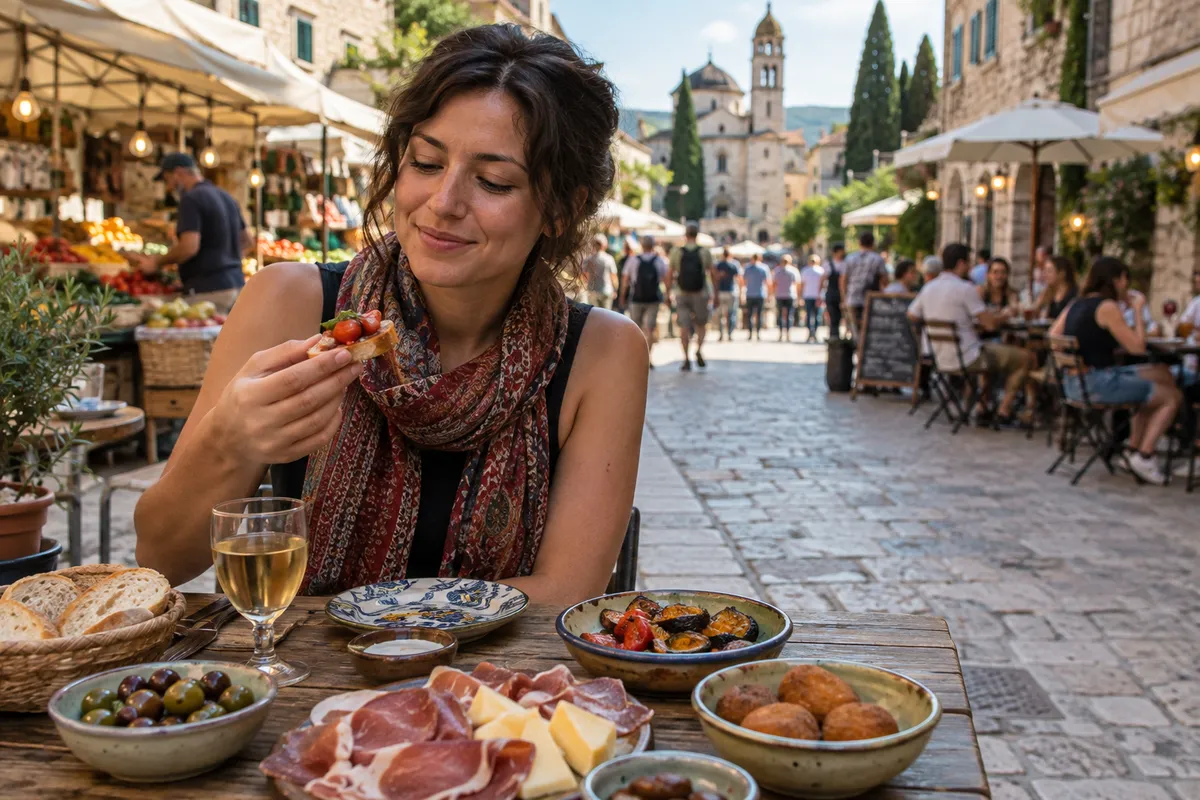
Euronews recently published a roundup of food and drink tours it considers worth travelling for. The full list isn't reproduced here, so this guide does something more durable: it gives you a way to judge any food or drink tour, in any city, and decide whether it deserves a spot at the center of your trip.
The idea behind the roundup is a real shift in how people travel. Culinary tourism increasingly drives where people go, as travellers look for immersive, experience-led holidays beyond sightseeing. Food and drink tours also tap into a growing appetite for local culture, sustainability, and authentic regional storytelling. That's a useful lens, and it points to the questions below.
Start With What You Actually Like to Eat
The best tour on paper is a poor choice if it's built around food you don't enjoy. Before you look at destinations, sort your own tastes into one of three broad camps:
- Street food and markets: you like eating standing up, trying small portions, and not planning too far ahead.
- Wine, beer, or other drinks: you want to see where something is made and taste it near the source.
- Sit-down regional cooking: you want to understand a cuisine through full dishes and dining customs.
Match the destination to the camp. A street food city rewards wandering and an empty stomach. A wine region rewards slower days and a plan for getting home safely. Choosing by appetite first narrows the field fast.
Ask What Makes a Tour Worth the Journey
A tour is worth a trip when it offers something you can't easily replicate at home or on your own. Run any candidate through these checks:
Does it tell a regional story?
Good tours explain why a dish or drink belongs to a place: the ingredients, the climate, the history, the habits around the table. If the description is only "taste 10 things," it's a snack crawl. That's fine for an afternoon, but it's not a reason to book flights.
Does it connect you to makers and sellers?
Look for stops at markets, producers, or family-run counters rather than a string of generic restaurants. Meeting the people who grow, cook, or pour is what turns tasting into understanding.
Is the group size and pace clear?
Small groups and unhurried stops leave room for questions. Check the listing for how many people join, how many stops there are, and how long you spend at each.
Does it fit your dietary needs?
Ask before booking, not at the first stop. Reputable operators will tell you plainly what they can and can't adjust.
Build the Trip Around the Meal Schedule
Planning a holiday around eating means treating meals as the itinerary, with everything else filling the gaps.
- Book the tour first. Pick the day, then arrange transport and lodging around it.
- Go early in your stay. A tour is a crash course. Doing it on day one gives you a shortlist of places and dishes to return to.
- Keep the day light. Skip a big breakfast, and avoid scheduling a heavy dinner after a long tasting.
- Leave one unplanned meal. Use what your guide taught you to choose somewhere on your own.
- Pace drinks with water and food. This matters most on wine and beer tours, and always plan transport ahead.
Match the Trip to Your Budget and Travel Style
Food-led travel doesn't have to be expensive. Street food cities and market tours tend to be easy on the wallet, since you pay per bite rather than per course. Wine and beer regions often cost more once you add transport between producers. Weigh the whole cost: tour price, getting there, and the meals you'll eat around it.
If you're a first-time culinary traveller, a single well-chosen tour in a city you'd visit anyway is a low-risk way to test the idea. If you're already hooked, a multi-day region built around one drink or one cuisine gives you depth.
A Simple Recipe to Start the Trip at Home
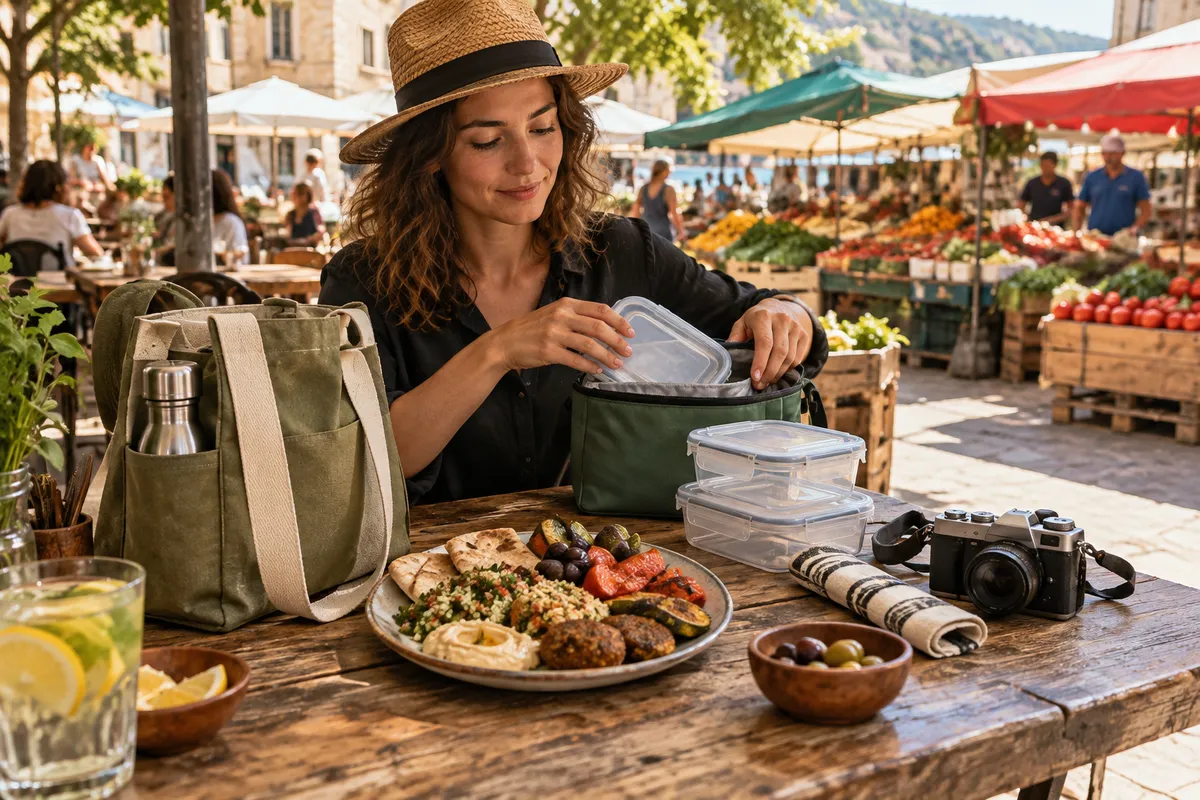
You can warm up for a food trip with something approachable: a tasting plate that mimics how a market tour works. Pick one region you're curious about and assemble:
- One bread or flatbread
- Two or three local-style spreads, cheeses, or cured items from a good grocery
- One fresh, bright element such as tomatoes, olives, or pickles
- One drink you'd expect to find there
Eat slowly, and write down what you liked. Those notes tell you whether that region deserves a real visit.
Your Next Step
Pick one destination, then check three things on its top-rated food tours: the regional story, the makers you'll meet, and the group size. If a tour passes all three, book it before you book anything else.