Cincinnati Bengals fans are heading to Madrid, where the team plays the Atlanta Falcons on November 8, according to Local12's report on travel tips for the trip. The game is the reason you're going. The food is the reason you'll want to stay an extra day. This guide covers the dishes worth seeking out, how Spanish dining customs differ from a stadium-tailgate rhythm, and a simple recipe to try before you fly or after you get home.
A note on sourcing: the Local12 report frames the trip as both a major fan experience and a chance to make the most of an international sports getaway. The food details below come from general, well-established knowledge of Spanish cuisine, not from that report, and I haven't included restaurant names, prices, or opening hours, since those change and aren't something to guess at. Check current details before you go.
Start With the Classics Madrid Is Known For
Madrid's food identity is built on a handful of dishes you can find across the city, from old taverns to casual counters.
Bocadillo de calamares
A crusty roll stuffed with fried squid rings. It's simple, cheap by reputation, and portable, which makes it a natural pre-game or sightseeing snack. Ask for it with a squeeze of lemon.
Cocido madrileño
Madrid's signature stew, built around chickpeas, meats, and vegetables. It's traditionally served in stages, often broth first, then the chickpeas and meats. It's hearty, so treat it as your main meal of the day.
Tortilla española
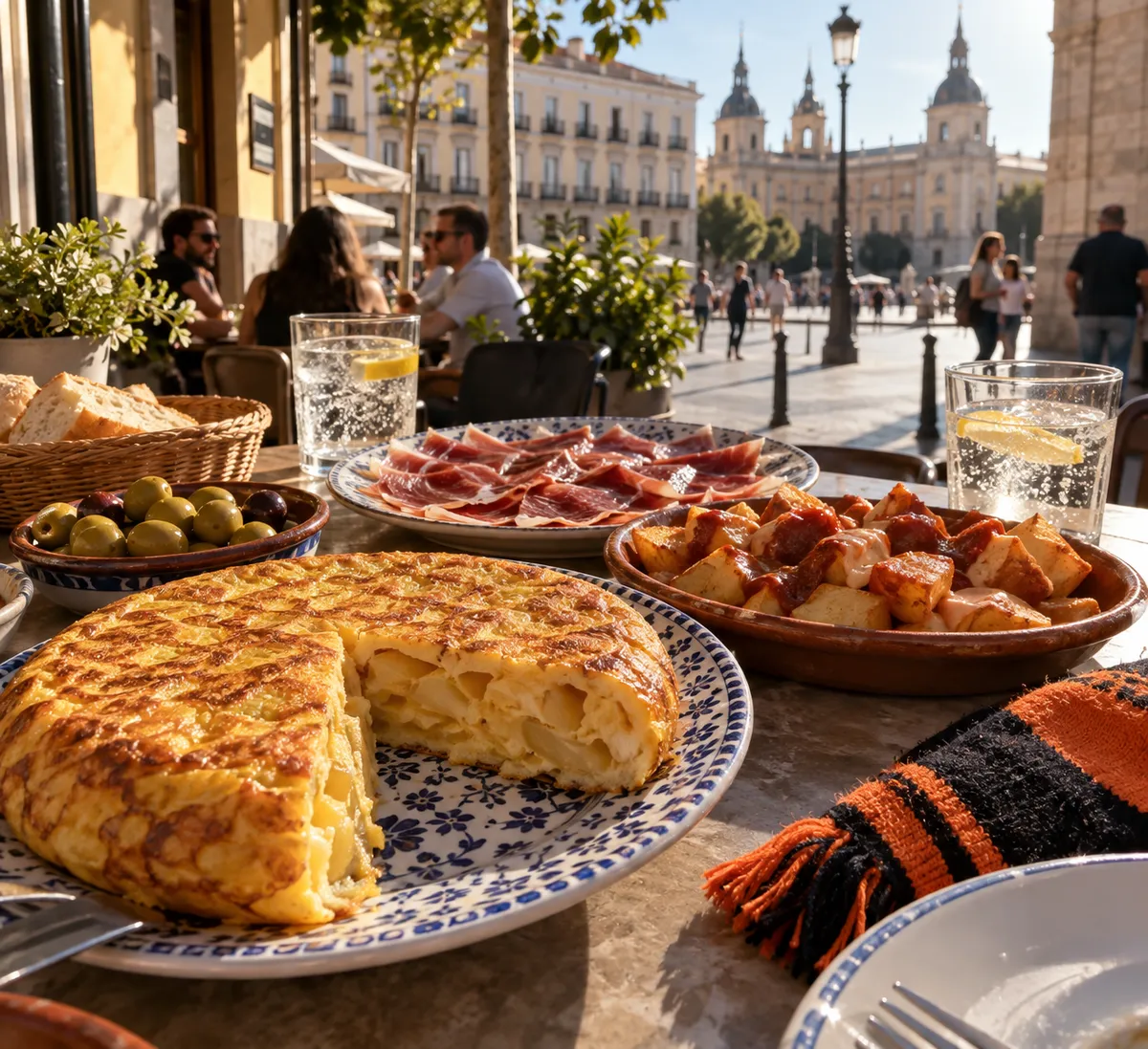
A thick potato-and-egg omelet, served in wedges, often at room temperature. It shows up at breakfast, in tapas bars, and tucked into sandwiches. It's also the easiest dish here to cook yourself (recipe below).
Churros con chocolate
Fried dough sticks dunked in thick drinking chocolate. They work as a breakfast, a late-night snack, or a post-game treat.
Learn the Tapas Habit
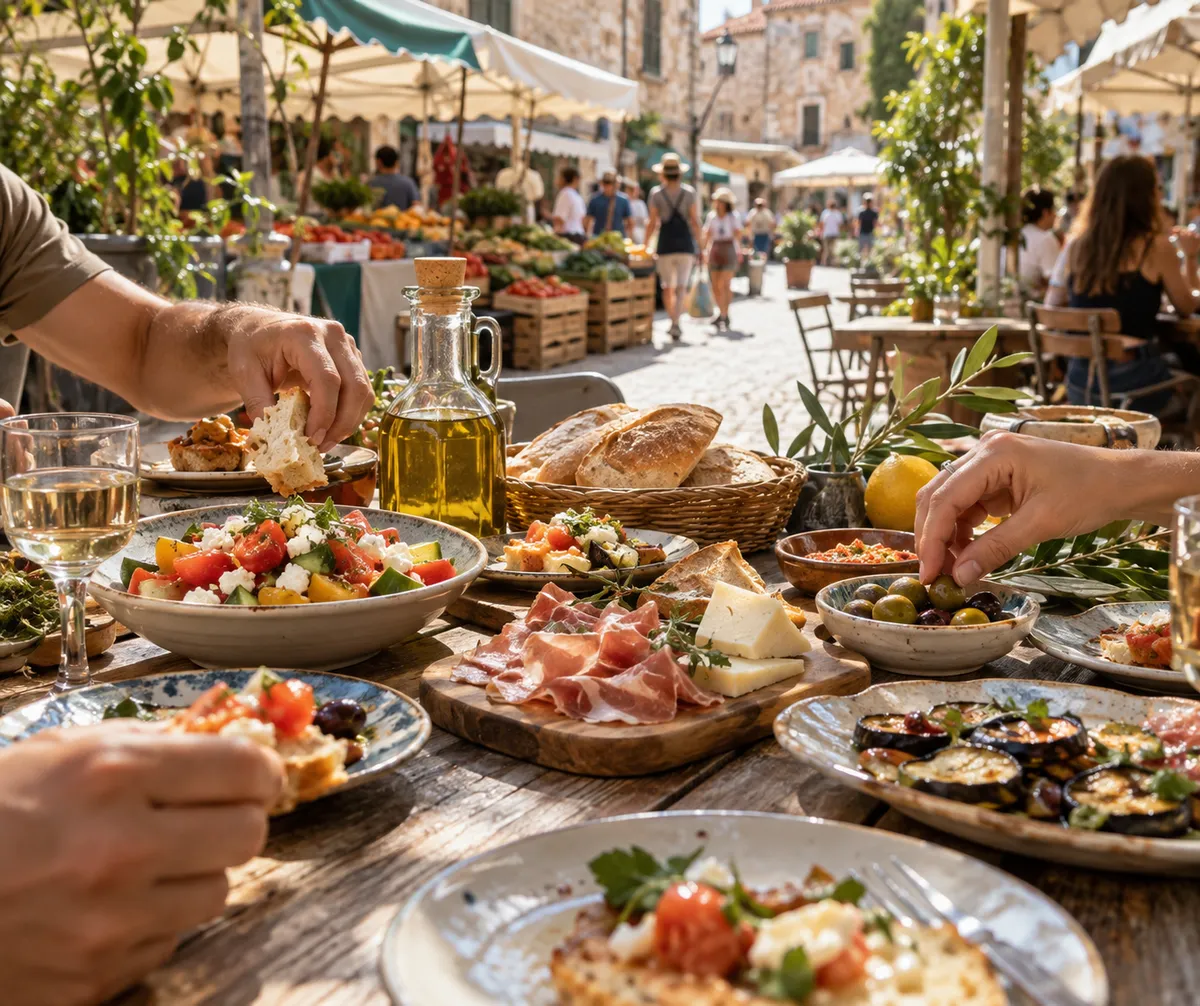
Tapas are small plates, and in Spain the practice is more social than structured. The common approach is to move from bar to bar, ordering a drink and one or two bites at each stop rather than sitting for one long meal. For a group of fans, this is a flexible way to eat: nobody needs a reservation for ten, and you can split a few plates (croquetas, patatas bravas, jamón, and the tortilla above are familiar orders) and keep moving.
Expect Meal Times to Run Later
Spanish dining generally starts later than most American schedules. Lunch is typically a mid-afternoon meal and dinner often begins well into the evening. If you arrive hungry at an early dinner hour, you may find some traditional restaurants not yet in full swing. Tapas bars and cafés are the easiest fix for off-hours hunger. Check the kickoff time and plan your meals around it, since the game will reshape your day.
Eat at a Market
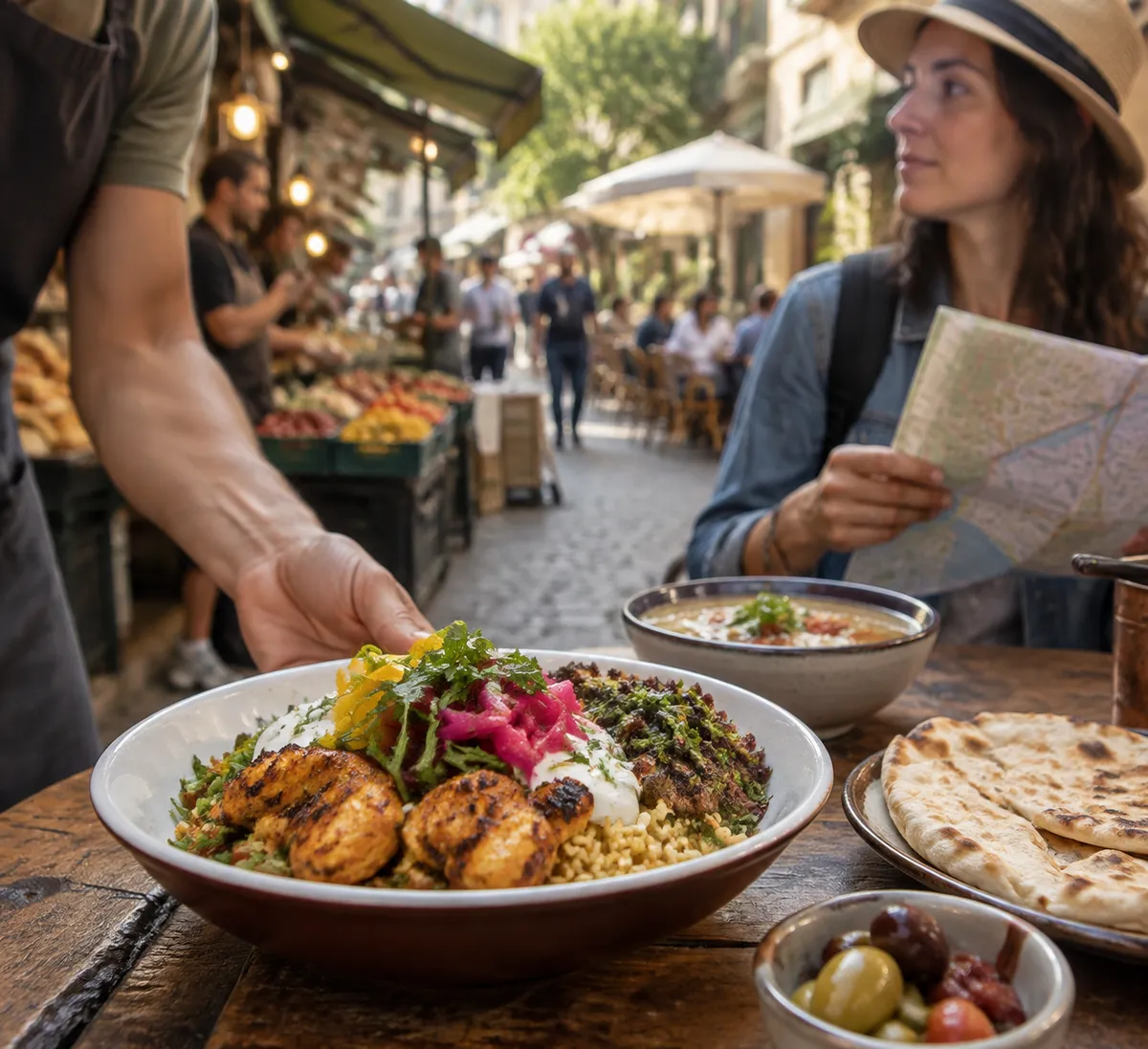
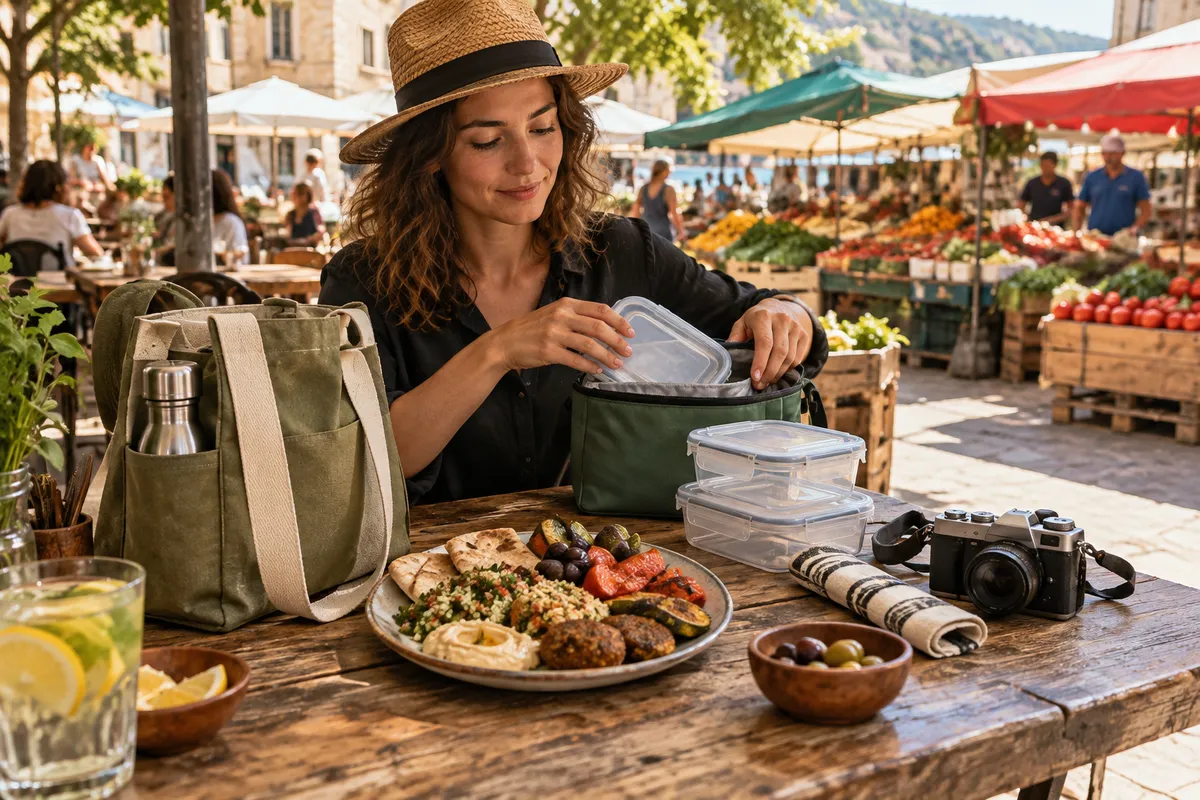
Markets are some of the best places to graze when you're not sure what to order. Madrid has food halls and traditional markets where you can sample cured meats, cheeses, olives, and prepared bites at a counter. Pointing at what looks good is a perfectly respectable ordering method. Treat it as a low-pressure way to try several regional flavors in one stop.
A Few Dining Customs Worth Knowing
- Order drinks first. At many casual spots, a drink comes before food decisions.
- Don't rush the table. Lingering is normal; the check often has to be requested.
- Share plates. Sharing is the default, not an exception.
- Ask what's local. Servers can point you to the day's specialties, and a simple "what do you recommend?" goes a long way.
Try It at Home: Simple Tortilla Española
This is an approachable version of the dish. Quantities are flexible.
You'll need: 4 medium potatoes, 1 onion (optional, and a topic of friendly debate), 6 eggs, olive oil, salt.
- Peel and thinly slice the potatoes and onion.
- Heat a generous amount of olive oil in a nonstick skillet over medium-low heat. Cook the potatoes and onion gently, turning now and then, until completely tender but not browned, about 20 minutes.
- Drain the potatoes, reserving a little oil. Beat the eggs with salt in a large bowl, then fold in the warm potatoes. Let the mixture sit for 5 minutes.
- Add a spoonful of oil to the skillet over medium heat. Pour in the mixture and cook until the edges set, about 4 to 5 minutes.
- Place a large plate over the pan, flip the omelet onto it, then slide it back in to cook the other side for another 3 to 4 minutes. Keep the center slightly soft if you like it traditional.
- Rest it for a few minutes. Serve warm or at room temperature in wedges.
Pack Your Appetite, Not a Strict Plan
The most useful move for a food-loving fan in Madrid is to leave gaps in your schedule. Build your day around the game, then fill the rest with a market stop, a bar-to-bar tapas crawl, and one proper sit-down meal. Pick two dishes from this list and make them your must-eats before you go.