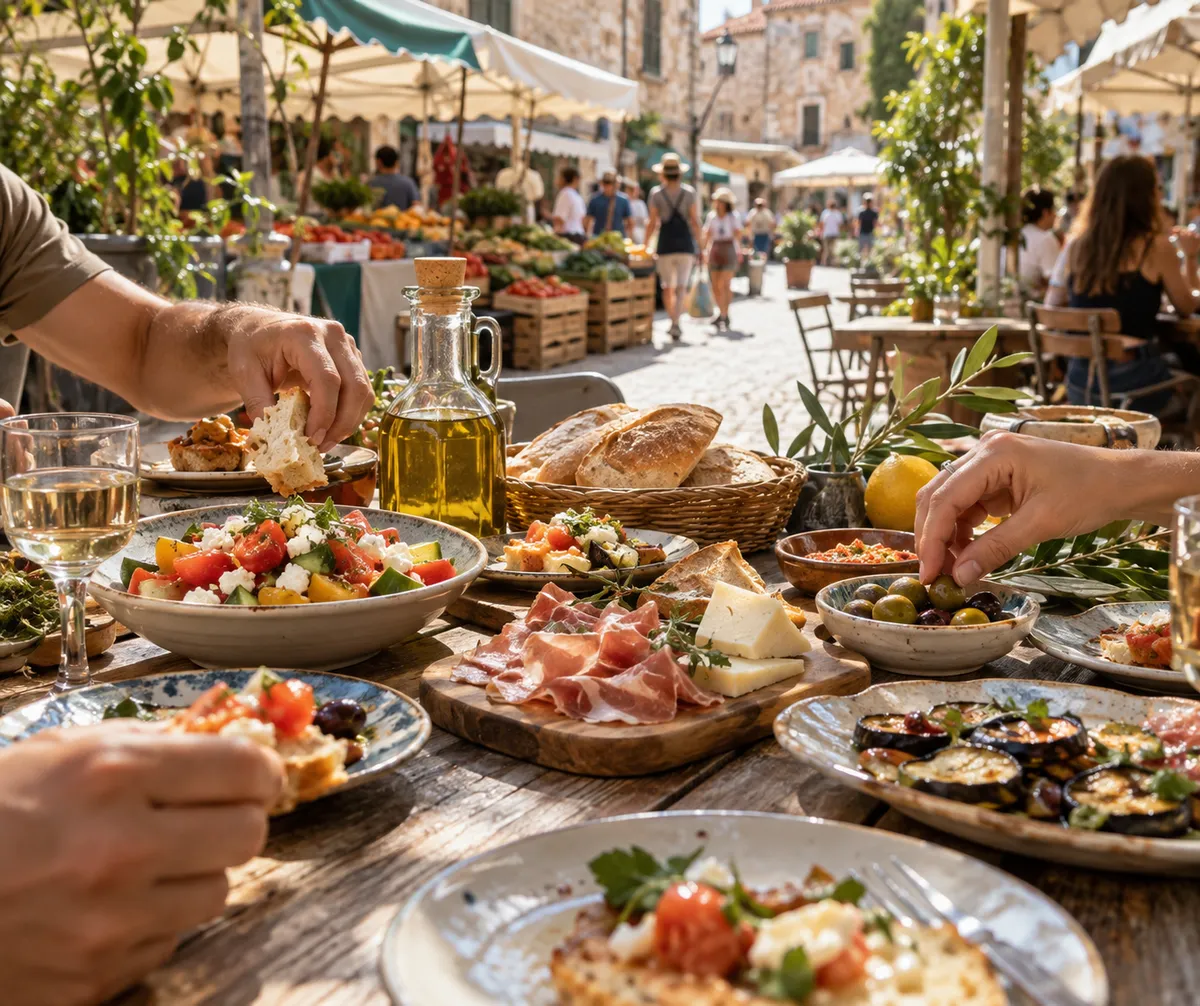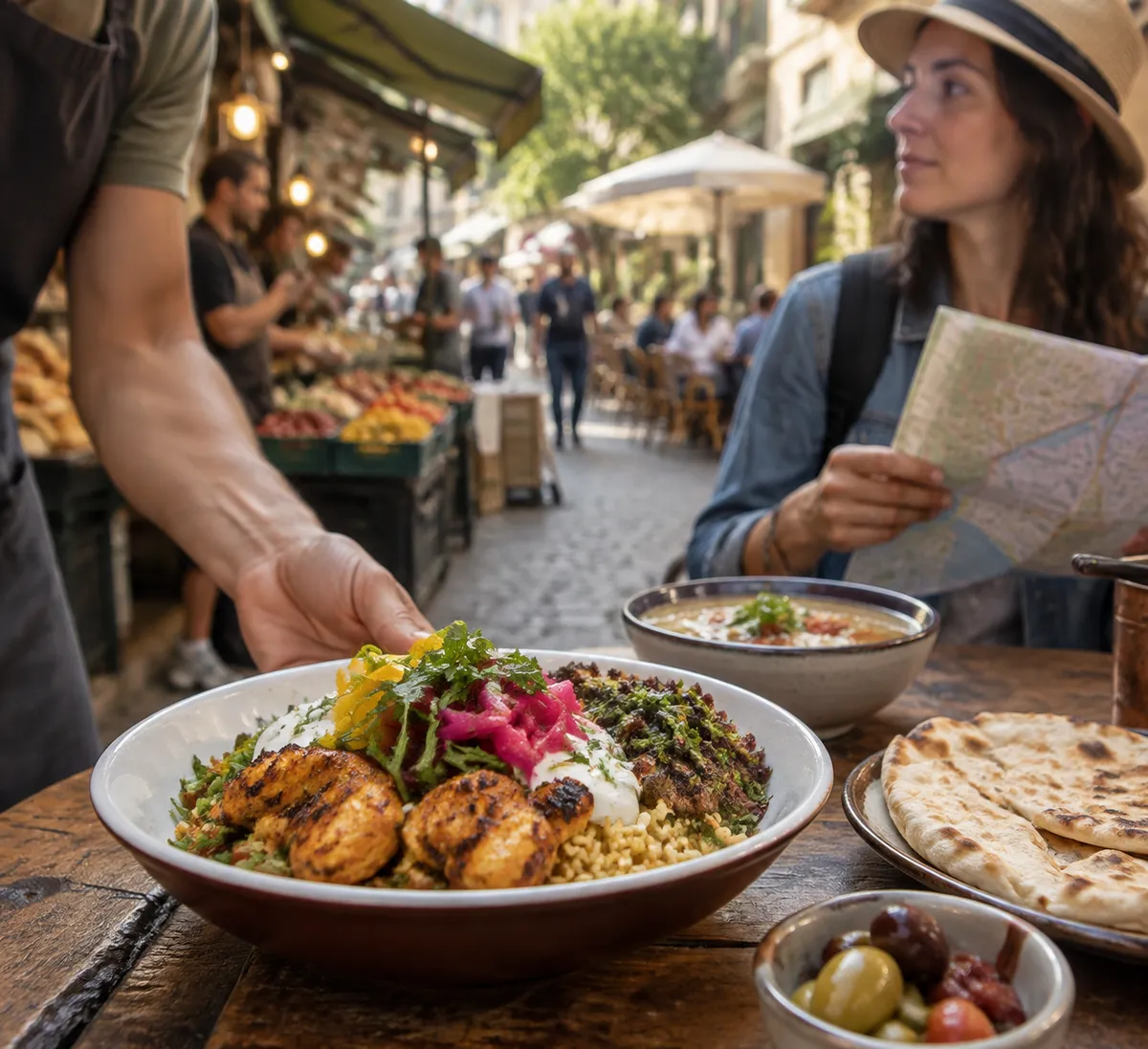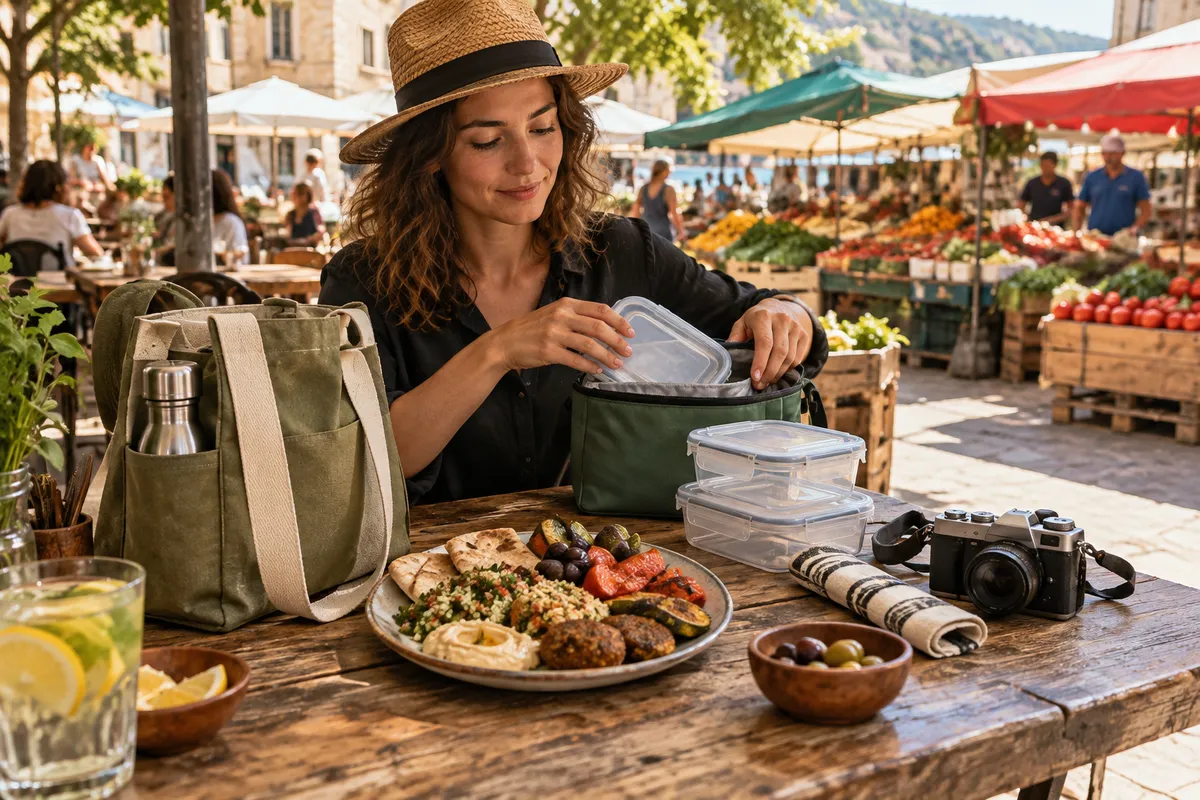
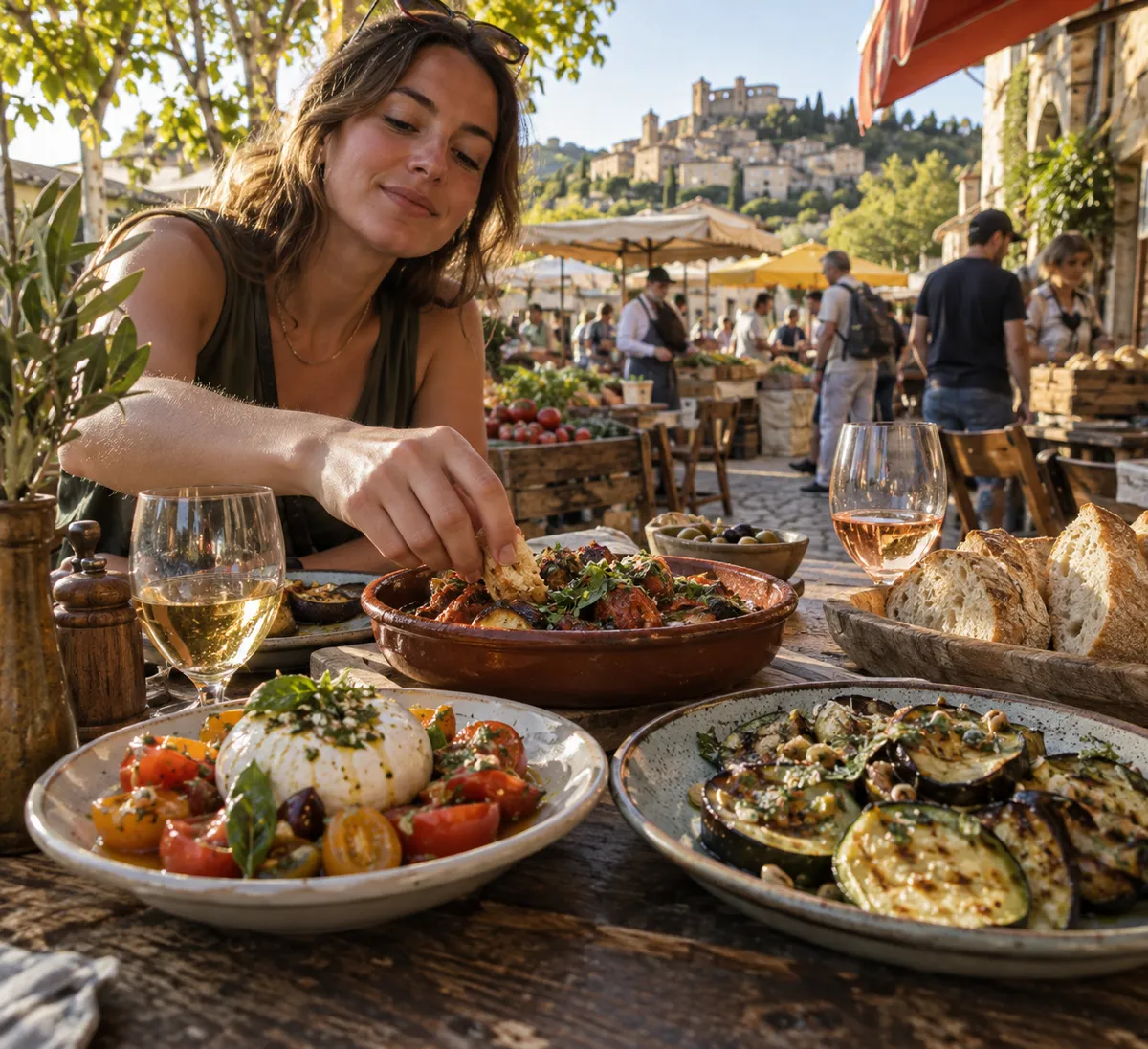
Planning a trip around food sounds simple until you have a spreadsheet of 14 restaurants, three of which are closed on the day you arrive. This guide gives you a lighter framework: a handful of anchors, plenty of open space, and a way to find good local food without turning every meal into a reservation.
The starting point is a broad trend. According to a piece distributed by BPT and published by the Napa Valley Register, travelers increasingly want immersive, local experiences rather than generic sightseeing, and meals are often the easiest way into a place. I'm building on that idea here, with practical suggestions of my own rather than reported findings.
Start With the Dishes, Not the Restaurants
Before you look at a single restaurant, learn what the place is known for. Every region has a short list of specialties, and knowing them changes how you read a menu.
- Search for the regional dish names and what defines each one (key ingredients, how it is traditionally served).
- Note whether a dish is tied to a season or a time of day. Some foods are breakfast items, some are only made at certain times of year.
- Write down five to eight dishes. That is your tasting list, and it is more flexible than a restaurant list because many places can serve you the same dish.
This also helps you spot the difference between a place cooking the local dish and a place cooking what it assumes visitors want.
Pick Three Anchors Per Trip Day, Not Ten
Over-scheduling is the most common way food trips go wrong. Try this structure instead:
- One anchor meal per day. This is the table you book ahead or the place you plan your day around.
- One anchor activity. A market visit, a cooking class, or a street food walk.
- Everything else is open. Leave at least one meal unplanned so you can follow your nose, a recommendation from a local, or a crowd of people lining up.
A full stomach changes your schedule. Building in slack means a long lunch does not wreck the rest of your day.
Use Markets, Street Food and Cooking Classes as Itinerary Anchors
These three experiences give structure to a day and teach you the most about local eating.
Food markets
Go early on your first full day. You will see what is in season, learn the names of ingredients, and find snacks that cost little. Markets also help you decide what to look for in restaurants later.
Street food
Treat it as a meal, not a novelty. Eat where there is steady turnover and where you can see the food being cooked. Carry small bills and a few napkins.
Cooking classes
A class early in the trip pays off for the days that follow, because you will recognize techniques and ingredients on menus. It also gives you a recipe to try at home, which brings us to the kitchen.
Find Authentic Local Restaurants Without Guesswork
Authentic does not mean old or obscure. It means the place cooks for the people who live there. A few ways to check:
- Look at the menu. A short menu focused on regional dishes usually beats a long one covering everything.
- Check who is eating. A mix of locals and visitors is a good sign.
- Ask people who live there. A market vendor, a class instructor, or your host will often point you somewhere better than any list.
- Walk a few blocks off the main tourist strip before you commit.
Book your one or two standout restaurants early, and keep the rest of the trip flexible.
Balance the Famous Spots With Hidden Gems
Iconic places are famous for a reason, and skipping all of them can leave a gap in your trip. But if every meal is a landmark, you spend more time in queues than at the table. A workable split is one famous stop for every two or three casual finds. Go to the famous place at an off-peak hour, and let the rest of the schedule breathe.
Mistakes to Avoid When Booking a Culinary Trip
- Booking every meal. You lose the freedom to change plans when something great turns up.
- Ignoring opening days and hours. Many small places close for part of the week or between lunch and dinner. Confirm before you build a day around one.
- Skipping the research on dishes. Without a tasting list, it is easy to order the safe option.
- Planning only restaurants. Markets, street stalls, and classes often teach you more per dollar.
- Forgetting dietary needs. If you have allergies or restrictions, learn a few key phrases and the names of ingredients to avoid before you go.
A Simple Recipe to Bring the Trip Home
You do not need a destination-specific recipe to practice the idea. Here is an approachable template that works with whatever you pick up at a market: a simple market-day tomato and herb salad.
Ingredients: 3 ripe tomatoes, a small handful of fresh herbs, olive oil, salt, a squeeze of lemon or a splash of vinegar, bread for serving.
Method:
- Cut the tomatoes into wedges and salt them lightly. Let them sit for 10 minutes.
- Tear in the herbs.
- Add a generous drizzle of olive oil and a little lemon or vinegar.
- Toss, taste, and serve with bread to soak up the juices.
The point is the habit: buy what looks best, keep the cooking simple, and let the ingredient lead.
Your Next Step
Before you book anything, write down five regional dishes you want to try, then pick one anchor meal and one market or class for each day. Leave the rest empty, and let the trip fill it in.