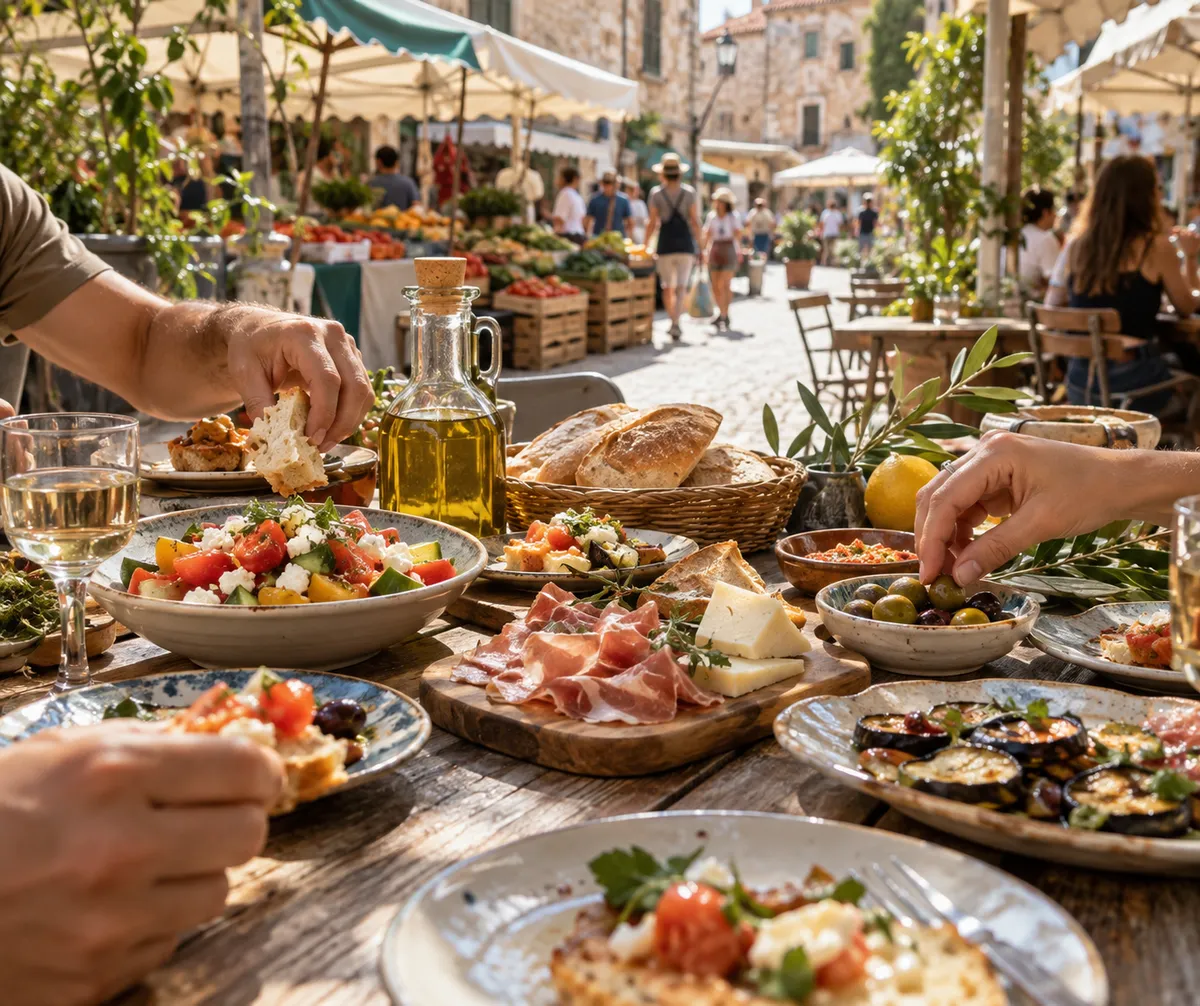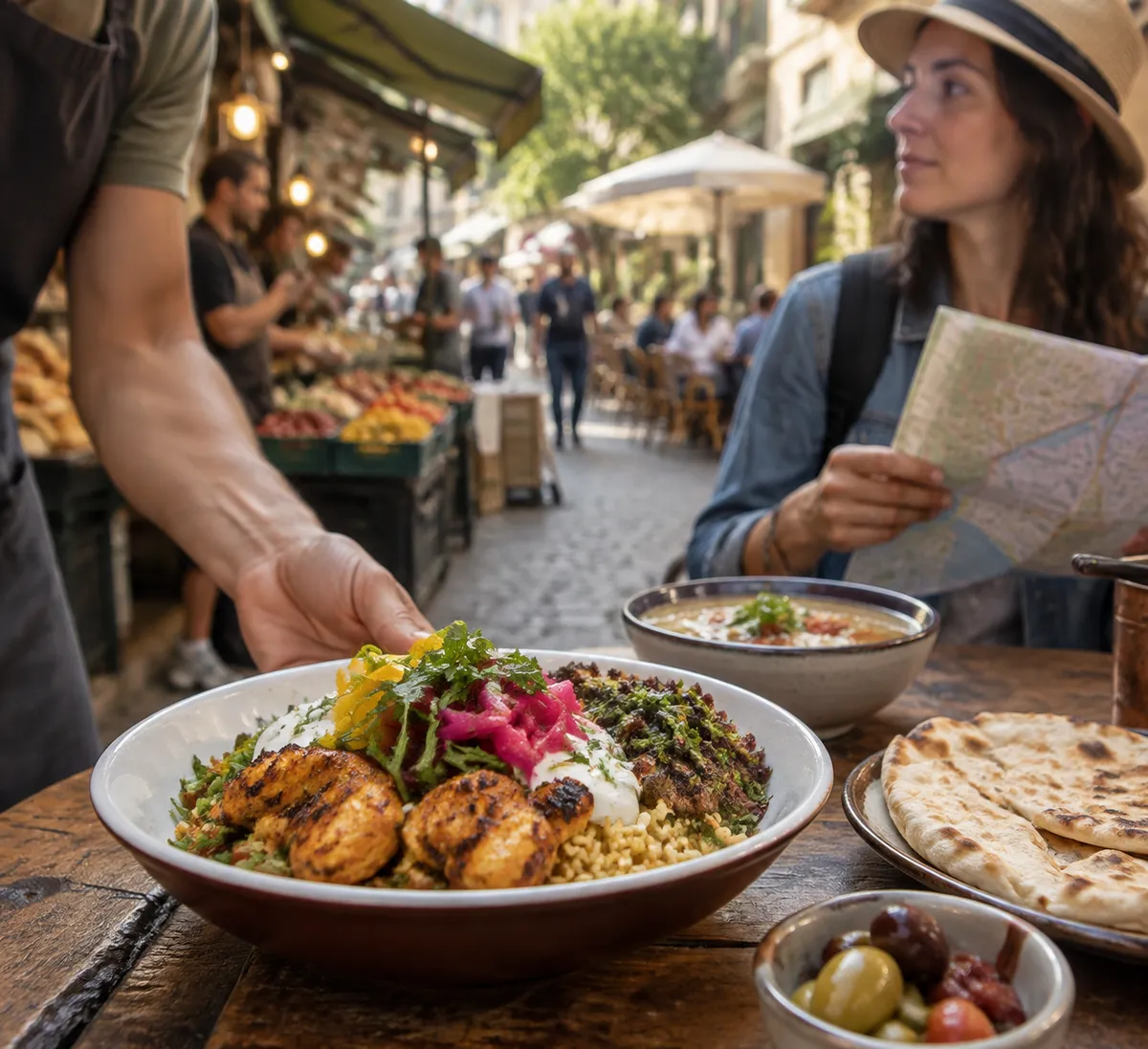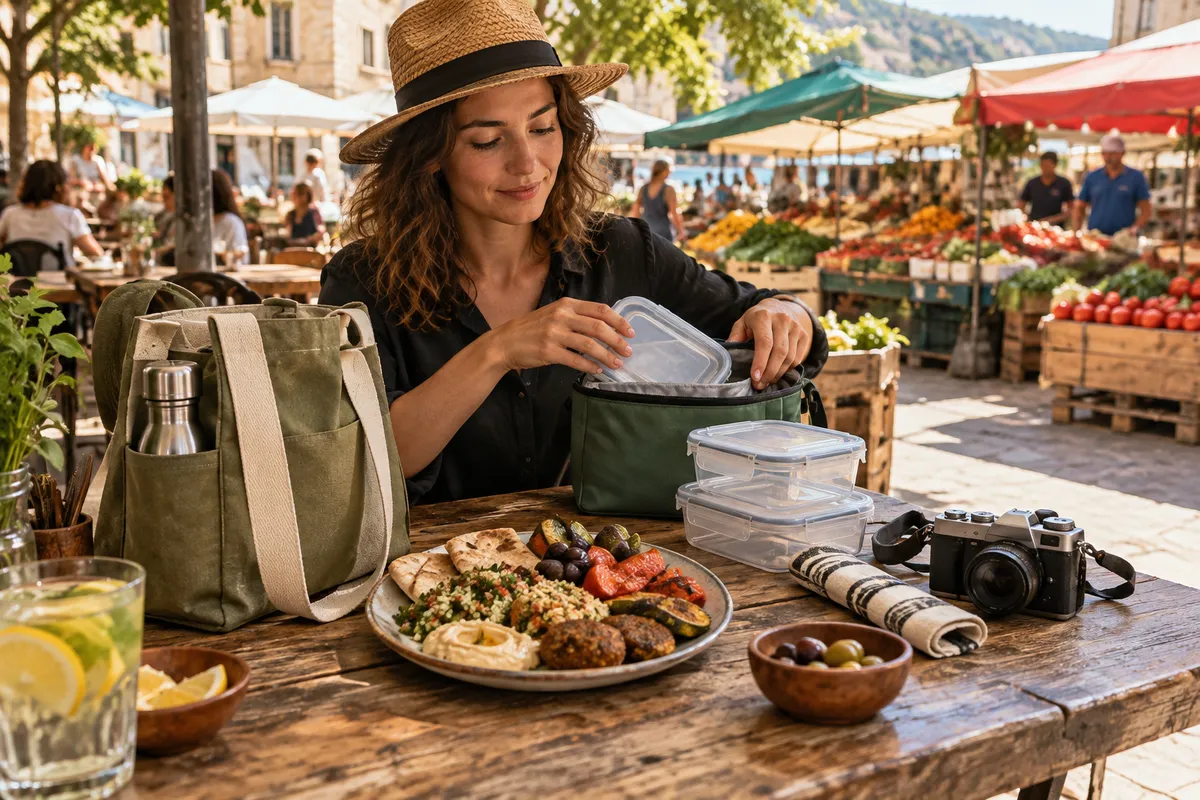
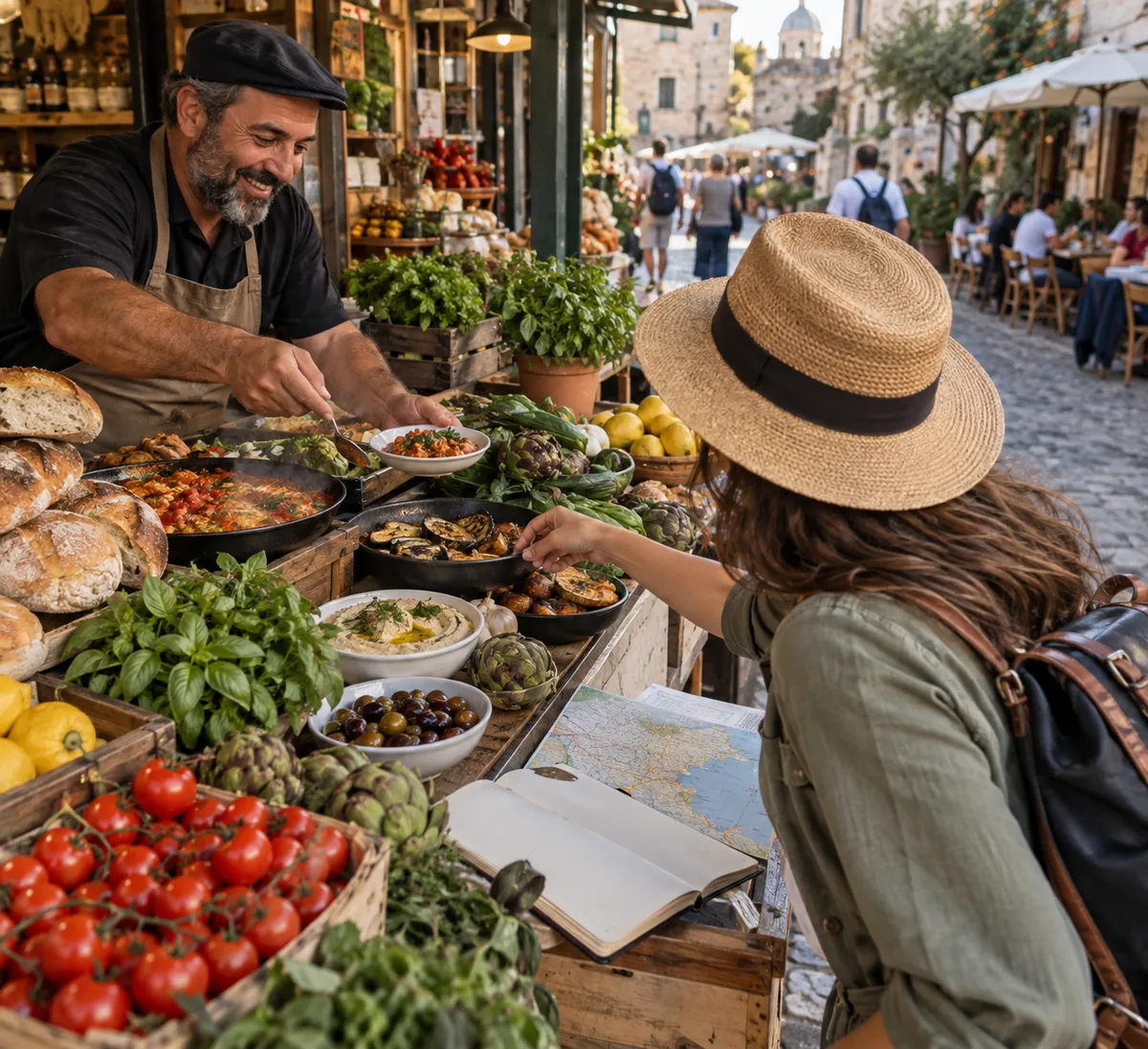
Food tourism is becoming a major force in travel, according to a Meer (English edition) report. It describes culinary experiences increasingly shaping where people go and how they explore once they arrive. If you want to travel that way, here is a practical method for building a trip where the meals are the itinerary and the landmarks fit in around them.
The same report notes that travelers are prioritizing authentic, local, experience-led trips. That is the logic behind everything below: pick experiences that are rooted in a place, not just a restaurant list.
Start with one dish, not one city
The easiest way to anchor a food trip is to choose a single regional specialty you're curious about, then let it pick the destination. A dish tells you what to look for: which neighborhoods make it, which season it belongs to, and what else is on the table beside it.
Before you book anything, write down three things:
- The dish or ingredient you want to understand
- The kind of place it's usually served (market stall, family restaurant, bakery, farm)
- Whether it's seasonal
That short list will shape your route better than a generic "top 10 restaurants" search.
Build your days around the five food settings
The Meer report points to markets, restaurants, street food, farms and local traditions as the ways travelers discover a destination through food. Treat these as a template and give each day a different one.
Markets: go early, go hungry
Food markets are the fastest way to see what a region actually grows and eats. Walk a full lap before you buy anything, note which stalls draw locals, then come back and eat. Ask vendors what's in season; it's a simple question that usually gets a useful answer.
Street food: follow the queue
A steady line of local customers is a better guide than any rating. Order what the stall is known for, rather than sampling widely, and keep small bills handy. Eat standing nearby when you can, since that is often how the dish is meant to be enjoyed.
Restaurants: eat the regional menu
Skip the section of the menu written for visitors and look for the set lunch, the daily special, or the dishes tied to the area. Ask what the kitchen is proudest of.
Farms: see where it starts
A farm visit, tasting or farm meal connects the ingredient to the plate. Look for producers who welcome visitors, and book ahead since many are small operations.
Local traditions: learn the customs
Dining customs vary: when meals happen, how courses are ordered, whether sharing is expected. A quick read on local etiquette before you go keeps you from stumbling and often earns warmer service.
A simple weekend template
This works for most destinations:
- Friday evening: Casual street food or a market snack to get your bearings.
- Saturday morning: Market walk, then a long lunch built around your anchor dish.
- Saturday afternoon: One landmark or neighborhood walk to digest, ideally near your next meal.
- Saturday evening: A sit-down restaurant serving regional cooking.
- Sunday: A farm, bakery, or producer visit, then one final favorite repeated.
Leave gaps. The best food finds are often the stall you pass between plans.
Find the experiences most visitors miss
Many tourists stay on the best-known food streets. To go further:
- Eat in residential neighborhoods away from major attractions.
- Visit markets on ordinary weekdays, not only on tourist-friendly days.
- Ask a vendor or host where they eat on their day off.
- Choose a small producer over a large branded tour.
Eat in ways that help the community
The Meer report frames food as a powerful driver for tourism boards and hospitality brands, which means visitor spending matters to the people who cook and grow the food. A few habits make that spending count: buy directly from vendors and producers, choose locally owned places, order regional dishes rather than imported comfort food, and be patient with small kitchens that cook to order.
Bring the trip home: a simple tomato-and-bread supper
You don't need a plane ticket to practice the market-first mindset. This easy supper works with whatever ripe produce you find at a local market.
You'll need: 4 ripe tomatoes, 4 slices of sturdy bread, 1 garlic clove, good olive oil, salt.
- Toast the bread until crisp at the edges.
- Rub each slice lightly with the cut garlic.
- Grate or crush the tomatoes, discarding the skins, and spoon over the bread.
- Finish with olive oil and a pinch of salt. Eat immediately.
It's a reminder of the point of food travel: great meals start with a good ingredient and a little attention.
Your next move
Pick one dish you've always wondered about, find where it comes from, and plan your first three meals before you plan anything else.