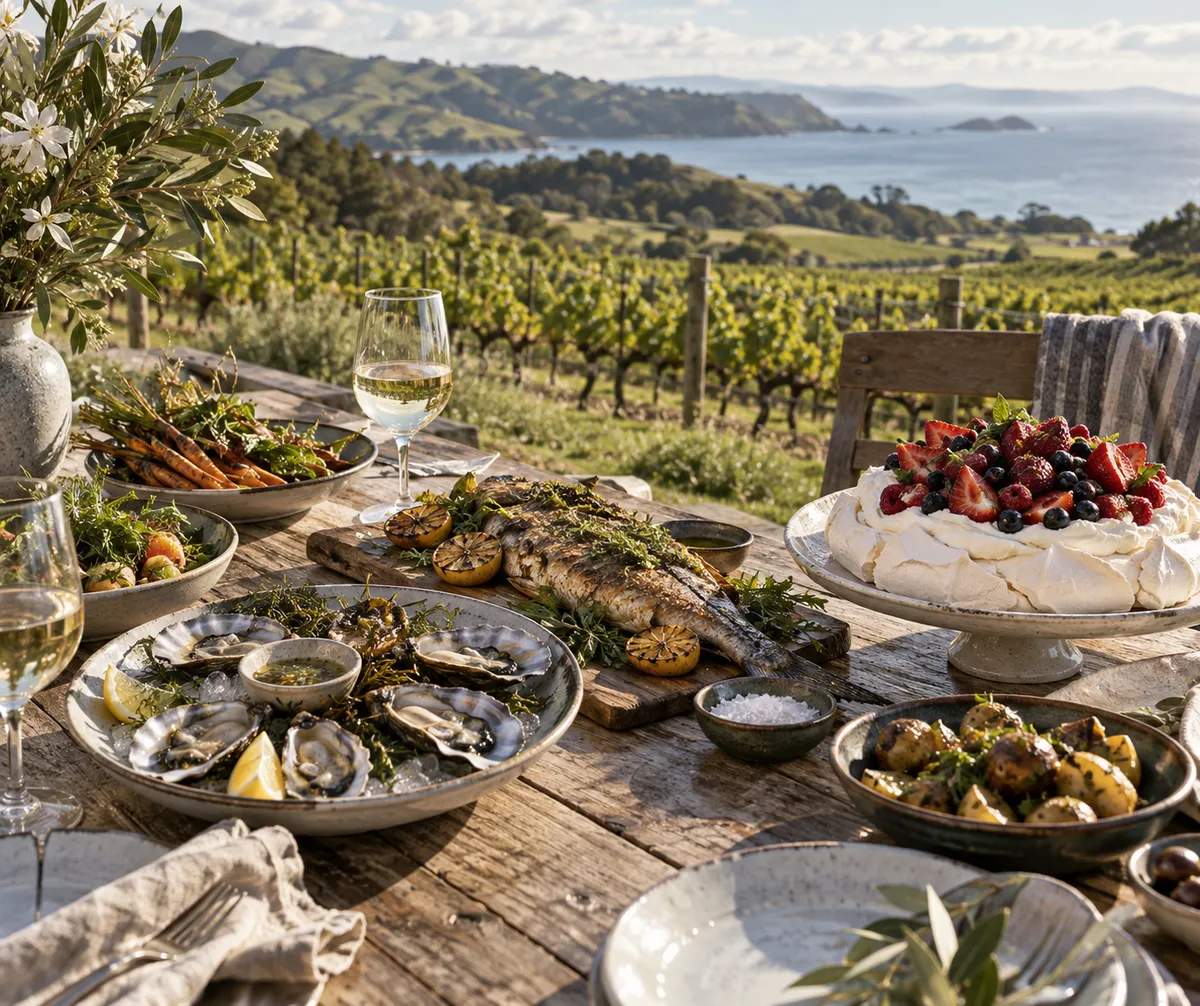
Travel Weekly recently ran a focus on culinary travel in New Zealand, framing it as a place to experience through what you eat and drink. That's a useful lens, and this guide turns it into a plan: what to prioritize, how to read the country's food culture, and how to structure a trip around meals instead of landmarks.
A caveat up front. The reporting highlights themes (distinctive producers, wine regions, seafood, Māori influences) rather than a list of named restaurants or dishes. So this guide gives you a framework to build on, not a rigid itinerary. Check current opening hours and bookings locally before you commit to anything.
Start With the Four Pillars
Per Travel Weekly's focus, New Zealand's appeal for food travelers rests on a handful of strengths. Use them as the backbone of your trip:
- Distinctive producers: small and regional makers are part of what sets the country apart.
- Wine regions: worth building whole days around, not just a single tasting.
- Seafood: a natural fit for a country defined by its coastline.
- Māori influences: a foundational layer of Kiwi food culture.
If you only have time for two, pair seafood with a wine region. They're easy to combine and give you a quick read on the place.
Eat Like a Local: A Practical Approach
The idea behind "the Kiwi way" is place-based eating. In practice, that means a few habits that work anywhere, and especially well here.
Ask what's local and in season
When you sit down, ask what came from nearby. Menus built around regional producers are exactly what food-led travelers are seeking, and staff are usually glad to point you to it.
Visit markets and producers directly
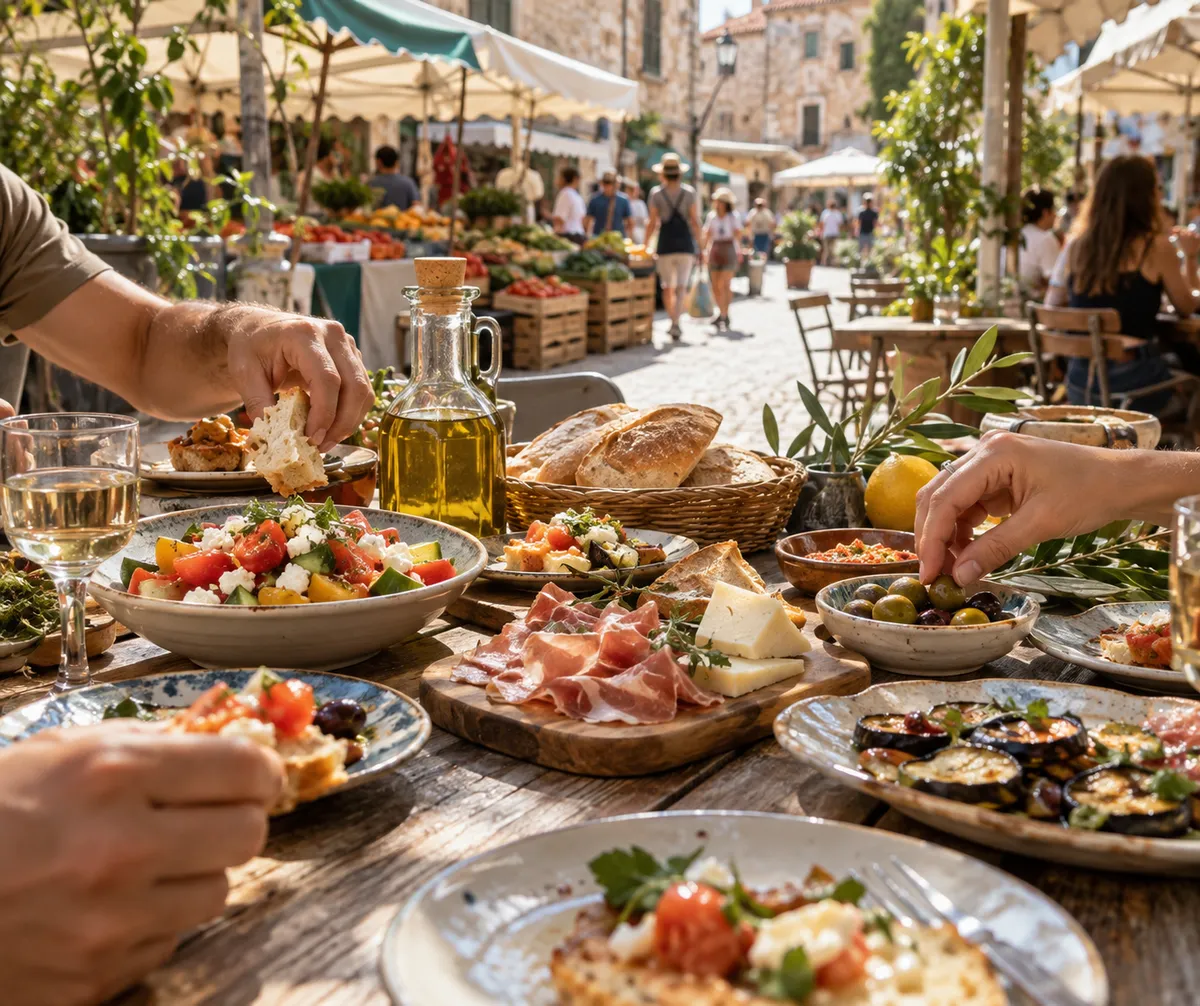
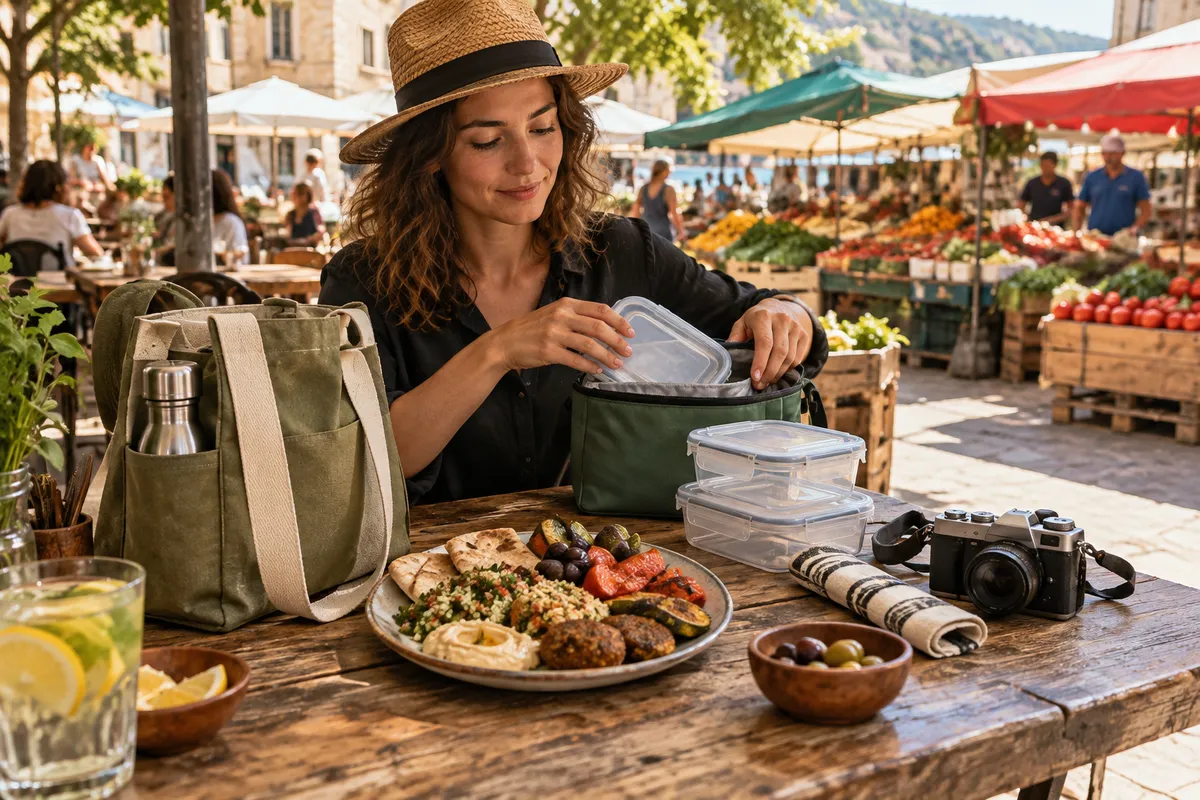
Food markets, farm gates and tasting rooms let you meet the people behind what you're eating. Even a picnic assembled from local cheese, bread, fruit and a regional bottle counts as a proper meal here.
Order the seafood fresh and simple
With a country this surrounded by water, seafood is the obvious thing to order near the coast. Simple preparations let the product do the work.
Understand the Māori Influence
The Travel Weekly piece points to Māori influences as part of what makes New Zealand a compelling culinary destination. Treat this as context, not a side note. Māori food traditions are a core part of how Kiwi cuisine developed, so look for experiences and menus that acknowledge this heritage openly, ideally those led or guided by Māori hosts. Ask questions, listen to the stories behind ingredients and preparation, and approach it as a guest.
Build Your Days Around Wine
Wine regions deserve a slower pace than most sightseeing. A workable rhythm:
- Morning: one or two tastings, when your palate is freshest.
- Midday: a long lunch at or near a winery, pairing local food with local bottles.
- Afternoon: a market, producer visit or scenic drive.
- Evening: a simple dinner and an early night.
Swap in a designated driver or a guided tour so everyone gets to taste properly.
A Food-Led Road Trip Template
New Zealand lends itself to road trips, and a culinary one works best when you give each stop a single focus. Here's a template you can adapt to the regions you choose:
- Stop 1, arrival city: markets and casual spots to get your bearings on local flavors.
- Stop 2, coastal town: seafood-focused meals and a waterfront picnic.
- Stop 3, wine region: two nights, one full day of tastings and a long lunch.
- Stop 4, farm-to-table countryside: a producer visit or farm-led meal.
- Stop 5, a Māori-led food experience: a cultural meal or guided session if one is available on your route.
Leave at least one unplanned meal per day. Some of the best discoveries come from a roadside stop you didn't research.
Bring It Home: A Simple Pavlova
Pavlova is a dessert strongly associated with New Zealand (and claimed by Australia too, a debate best left to the locals). It's a forgiving recipe for home cooks. This is a general approach, not a recipe from the Travel Weekly piece.
You'll need: 4 egg whites, 1 cup (200 g) caster sugar, 1 teaspoon white vinegar, 1 teaspoon cornflour, 1 teaspoon vanilla, whipped cream and fresh fruit.
- Heat the oven to 120°C (250°F). Line a tray with baking paper.
- Whisk the egg whites to stiff peaks.
- Add the sugar a spoonful at a time, whisking until glossy and thick.
- Fold in the vinegar, cornflour and vanilla.
- Shape into a round on the tray, with a slight dip in the center.
- Bake for about 1 hour, then switch off the oven and let it cool inside with the door closed.
- Top with whipped cream and fruit just before serving.
Kiwifruit, berries and passionfruit are classic toppings.
Your Next Step
Pick your two pillars, whether that's seafood and wine or Māori food culture and farm-to-table, and plan one meal a day around each. Book the anchor experiences first, then leave the rest open.