
A sponsored travel-planning segment from CP24 this fall features personal finance and travel expert Barry Choi, who offers tips for Canadians preparing for fall getaways, holiday trips and winter escapes. The segment is tied to Blue Rewards. The public summary is short on specifics, so this guide doesn't put words in Choi's mouth. It takes the themes he covers (smarter planning, rewards, and avoiding holiday travel costs) and shows how to apply them to a trip built around eating well.
By the end, you'll have a booking order, a food budget method, and a few rewards checks to run before you pay for anything.
Why Now Is the Time to Plan
Year-end travel is peak planning season. Per the segment's framing, prices, availability and reward options can shift quickly at this point in the year. That's the case for deciding early rather than waiting for a perfect moment.
For a food trip, early booking matters even more. Markets, festivals and popular restaurants cluster around the same holiday weeks as flights and hotels, so the things you most want to eat are often the first to fill up.
Step 1: Fix Your Dates and Destination First
Pick the dates before you chase deals. Flexibility helps, but a vague plan makes it impossible to compare prices or reserve anything.
- Choose a destination for its food, not just its weather. A city with a strong street food or market culture gives you cheap, memorable meals every day.
- Decide how many nights you need. Food trips reward slow days, so don't over-pack the itinerary.
- Write down your must-eat list: three to five dishes or markets. Everything else is a bonus.
Step 2: Book the Big Costs Early
Flights and lodging are the costs that swing most as holidays approach, so lock those in first. Once they're set, the rest of your budget becomes predictable.
When you compare options, look at the total price, not the headline fare. Add checked bags, seat selection and any airport transfers. A cheap fare that leaves you paying fees at every step isn't cheap.
Staying near a food market or a walkable dining district can also cut transit costs, which adds up over several days.
Step 3: Build a Daily Food Budget
Food is where a trip can quietly go over. A simple method keeps it in check:
- Set a per-person daily food amount before you leave.
- Split it into a rough pattern: an inexpensive breakfast, a market or street food lunch, and one sit-down dinner.
- Reserve the sit-down meal for the dish you most want to try, and keep the others casual.
- Add a small cushion for snacks, coffee and tastings.
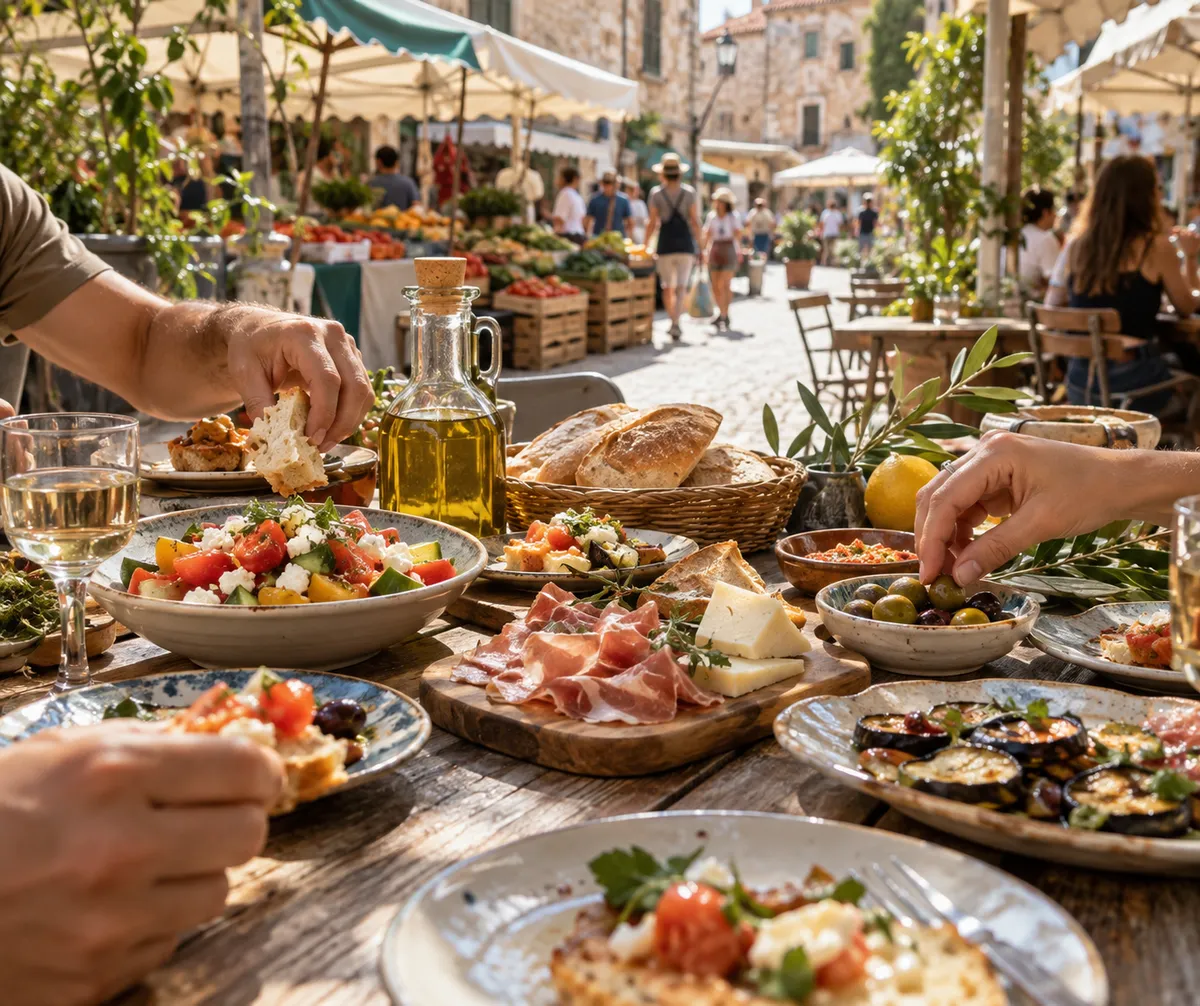
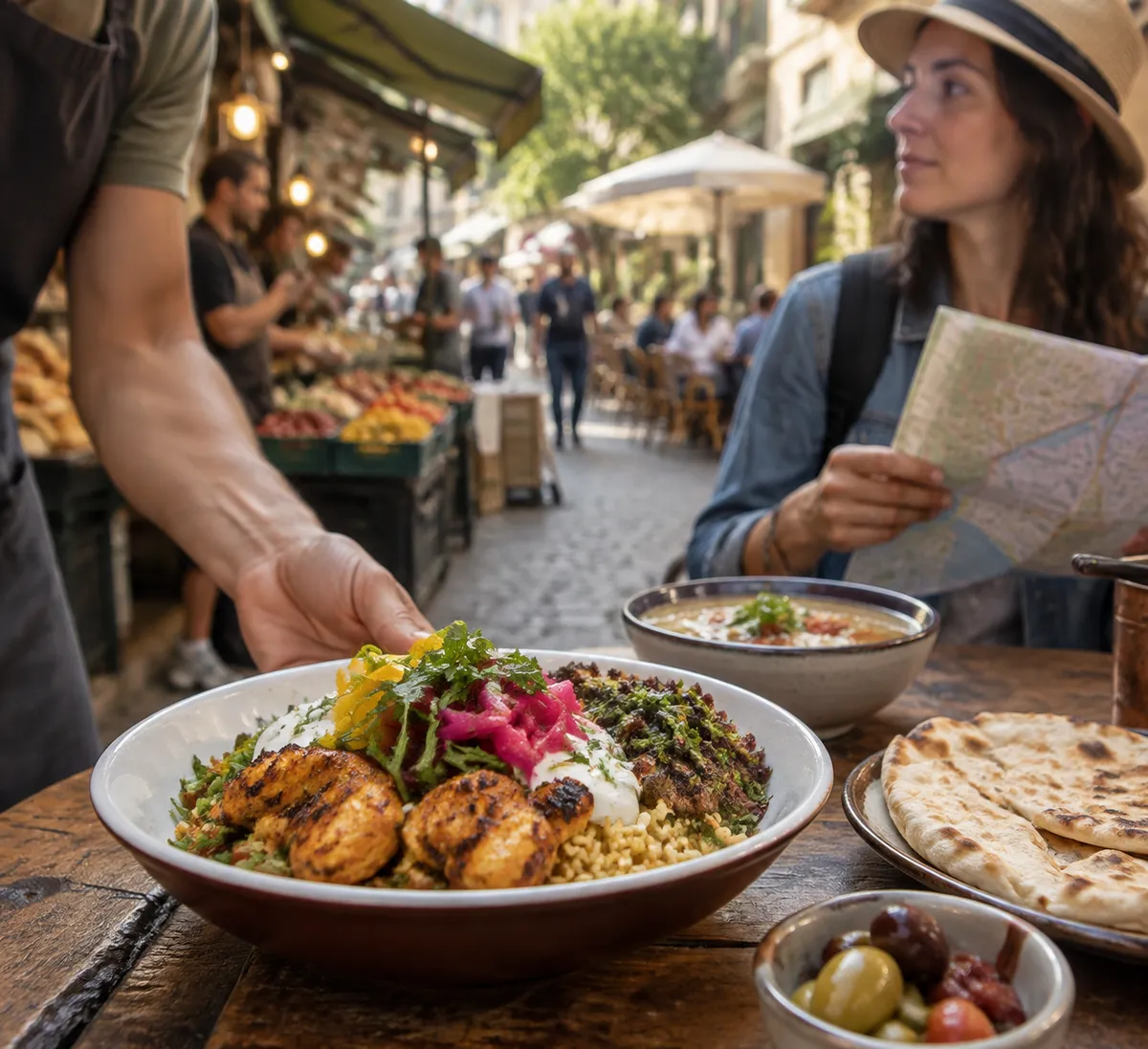
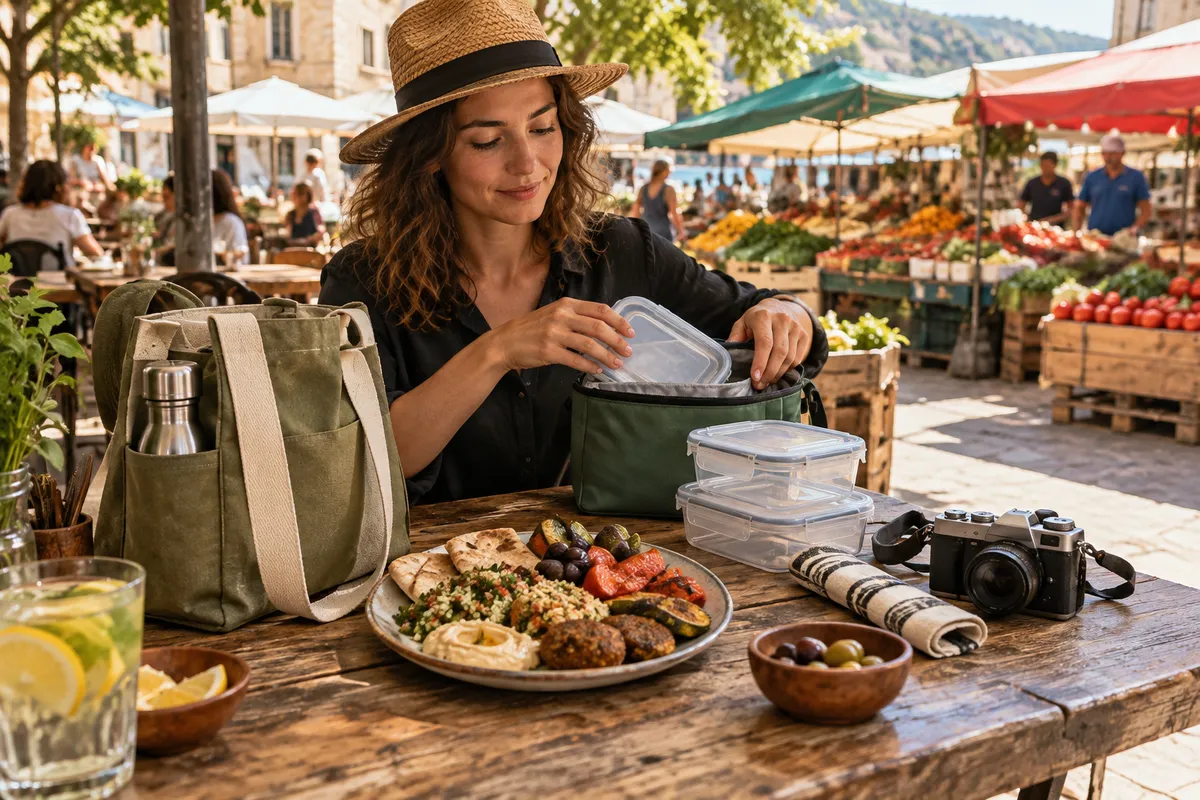
Markets and street stalls are the practical heart of this approach. They let you sample many regional specialties for less than a restaurant meal, and they're often where local dining customs are easiest to see.
Step 4: Check Your Rewards Before You Book
Rewards are the part of the segment tied to Blue Rewards, a sponsored program, so treat any program-specific claims as promotional and read the terms yourself. The general habits are sensible no matter which program you use:
- Check your points or reward balance before you book, so you know what's available to apply.
- Read the rules on how rewards can be redeemed, including blackout dates and expiry. Holiday periods are where restrictions tend to bite.
- Don't book something you wouldn't otherwise buy just to earn points. A reward only saves money if the trip was already in your budget.
- Compare the reward price to the cash price to see which one is the better deal.
Step 5: Avoid the Common Holiday Costs
Seasonal trips come with predictable expense traps. A few to watch for:
- Last-minute bookings. Waiting usually narrows your choices at the time of year when demand is highest.
- Tourist-corridor dining. Restaurants beside major sights often charge more. Walk a few blocks toward where locals eat.
- Unplanned extras. Cabs, tours and add-ons you didn't budget for can erase savings made elsewhere.
- Reservation scrambles. If you want a specific restaurant over a holiday week, book it when you book the flight.
A Simple Booking Checklist
- Confirm dates and destination.
- Book flights and lodging, comparing total costs.
- Check rewards balances and redemption rules.
- Set the daily food budget.
- Reserve the one or two restaurants that matter most.
- Note the markets and street food areas to visit on the other days.
- Save a buffer for surprises.
A Budget-Friendly Way to Start Eating Early
If you want to get in the mood before you leave, make something simple inspired by where you're headed. A pot of lentil soup with garlic, olive oil and lemon is a staple of countless regional kitchens and costs very little. Simmer a cup of rinsed red lentils with a chopped onion, two garlic cloves and four cups of water for about 20 minutes, then finish with lemon juice and a drizzle of oil. It's a reminder that great food rarely depends on a big budget.
The Takeaway
This week, pick your dates and book the two biggest costs, flights and lodging. Everything delicious about your trip gets easier once those are settled.