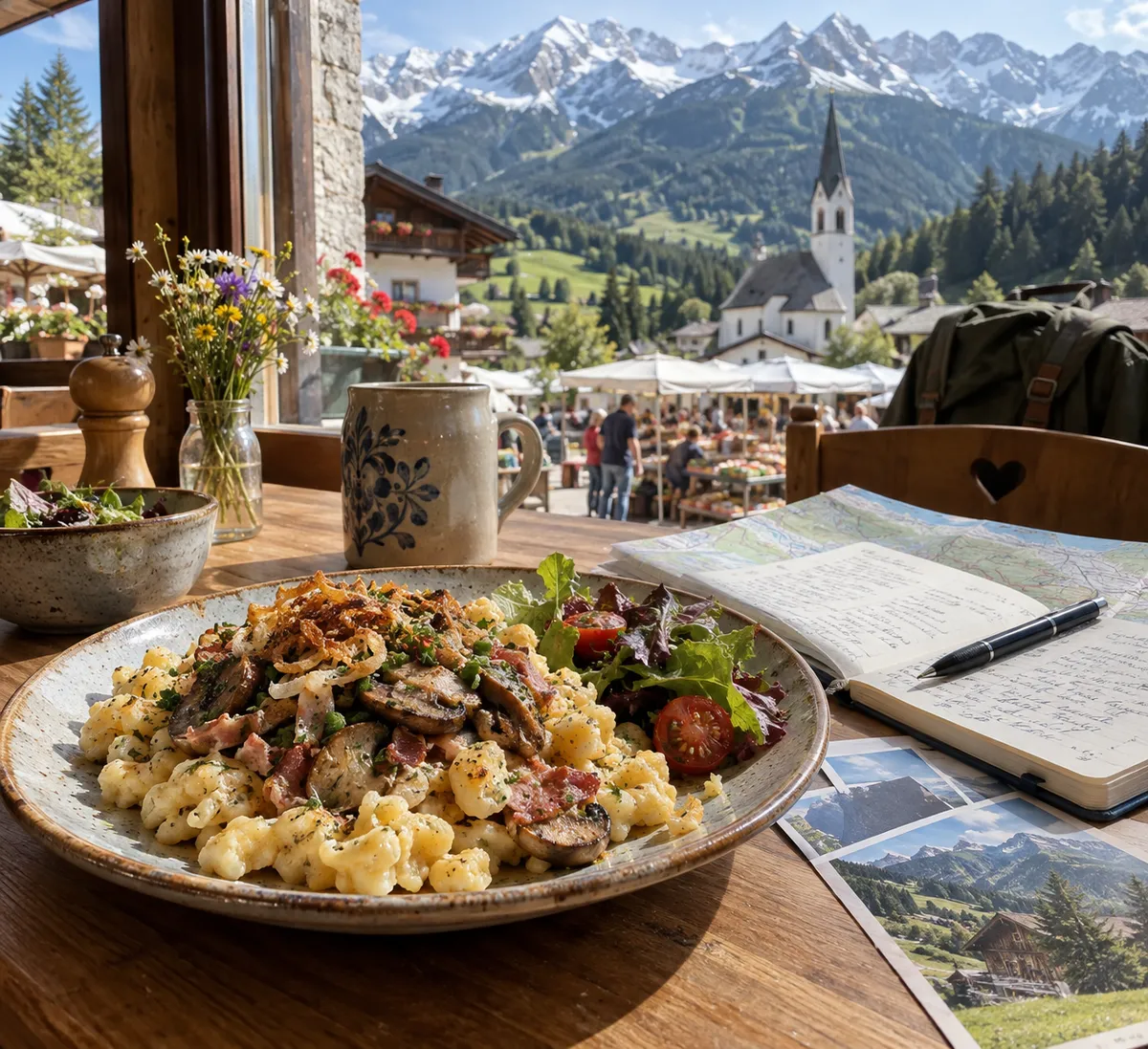
Forbes recently published a list of the seven best places to visit in 2027, based on picks from luxury travel advisors at OvationNetwork. The full list isn't something we can reproduce here, but the outlet's own summary gives us three clues: destinations tied to two major sporting events, a wetland "most Americans can't find on a map," and a bicultural Alpine region.
That is enough to build something useful. Here is a method for turning any "where to go next year" list into a food-first trip, with the three clue types as worked examples. You will finish with a research routine and a simple recipe idea to start cooking your way toward the trip.
Why Food Planning Should Start Early
Per Forbes, advisors are pointing clients toward places with a clear reason to go now. Destinations with a hook, such as a big event or a hard-to-reach landscape, tend to be the ones where tables, tours and rooms get scarce. That is the general logic of planning around events, and it applies to restaurants, market tours and cooking classes as much as hotels.
So the first rule: decide what you want to eat before you decide where you will sleep.
Step 1: Pick Your Hook
Use the three clues as categories.
The sporting-event destination
Forbes says two sporting events shape the list. If you go this route, expect crowds and plan meals deliberately. Look for the city's everyday food culture rather than only the restaurants near the venue: neighborhood markets, bakeries that open early, and the casual spots locals use on ordinary days.
The little-known wetland
Forbes describes a wetland most Americans can't place on a map. We can't name it from the information available, so check the original article for the location. Wetland regions often have food traditions shaped by water and local produce, so when you identify yours, search for its signature dishes and the markets that supply them.
The bicultural Alpine region
A region that blends two cultures usually offers two culinary vocabularies on one menu. When you find the region in Forbes' piece, look up both sets of dishes, and notice where they overlap. That overlap is often the most interesting thing on the table.
Step 2: Build a Food Research List in Four Searches
For whichever place you choose, run these searches and write down the answers.
- Signature dishes. Name three dishes the region is known for.
- Main market. Find the central food market and its opening days. Many close on a set day each week.
- Seasonal ingredients. Search what is in season in the month you plan to travel.
- Dining customs. Look up meal times, tipping norms and whether reservations are expected. Customs vary widely, and a little knowledge prevents showing up to a closed kitchen.
This takes about an hour and turns a vague destination into a short, usable list.
Step 3: Reserve What Actually Sells Out
Not everything needs booking early. Prioritize:
- Cooking classes with small group sizes
- Food tours led by local guides
- Tasting-menu restaurants
- Any tour that depends on a seasonal harvest
Leave markets, bakeries and street food unplanned. Those are best found by wandering, and they never need a reservation.
Step 4: Cook Your Way There
You don't have to wait until 2027 to start. A simple dish that nods to the Alpine idea of mixing two traditions is a baked potato and cheese skillet. We're offering this as a general home-cooking idea, not a documented regional recipe.
Alpine-Style Potato and Cheese Skillet
Serves 4. About 45 minutes.
- 1.5 lb (700 g) waxy potatoes, sliced thin
- 1 onion, sliced
- 1 tablespoon butter
- 6 oz (170 g) melting cheese such as Gruyère, grated
- Salt, pepper, and a pinch of nutmeg
Method:
- Heat the oven to 400°F (200°C).
- Melt the butter in an oven-safe skillet and soften the onion for about 8 minutes.
- Layer the potatoes over the onion, seasoning each layer with salt, pepper and nutmeg.
- Add 1/4 cup water, cover with foil, and bake 25 minutes.
- Remove the foil, scatter on the cheese, and bake 10 more minutes until bubbling and golden.
Serve with a sharp green salad and something pickled to cut the richness.
Step 5: Keep Your Plan Flexible
Trends shift, and a list of picks is a starting point, not a guarantee. Use Forbes' article to spark ideas, then check current travel conditions, entry requirements and event dates from official sources before you commit money.
The Takeaway
Pick one hook from the list this week, run the four food searches, and write down three dishes you want to eat. Once you can name them, you have a reason to go that no ranking can give you.