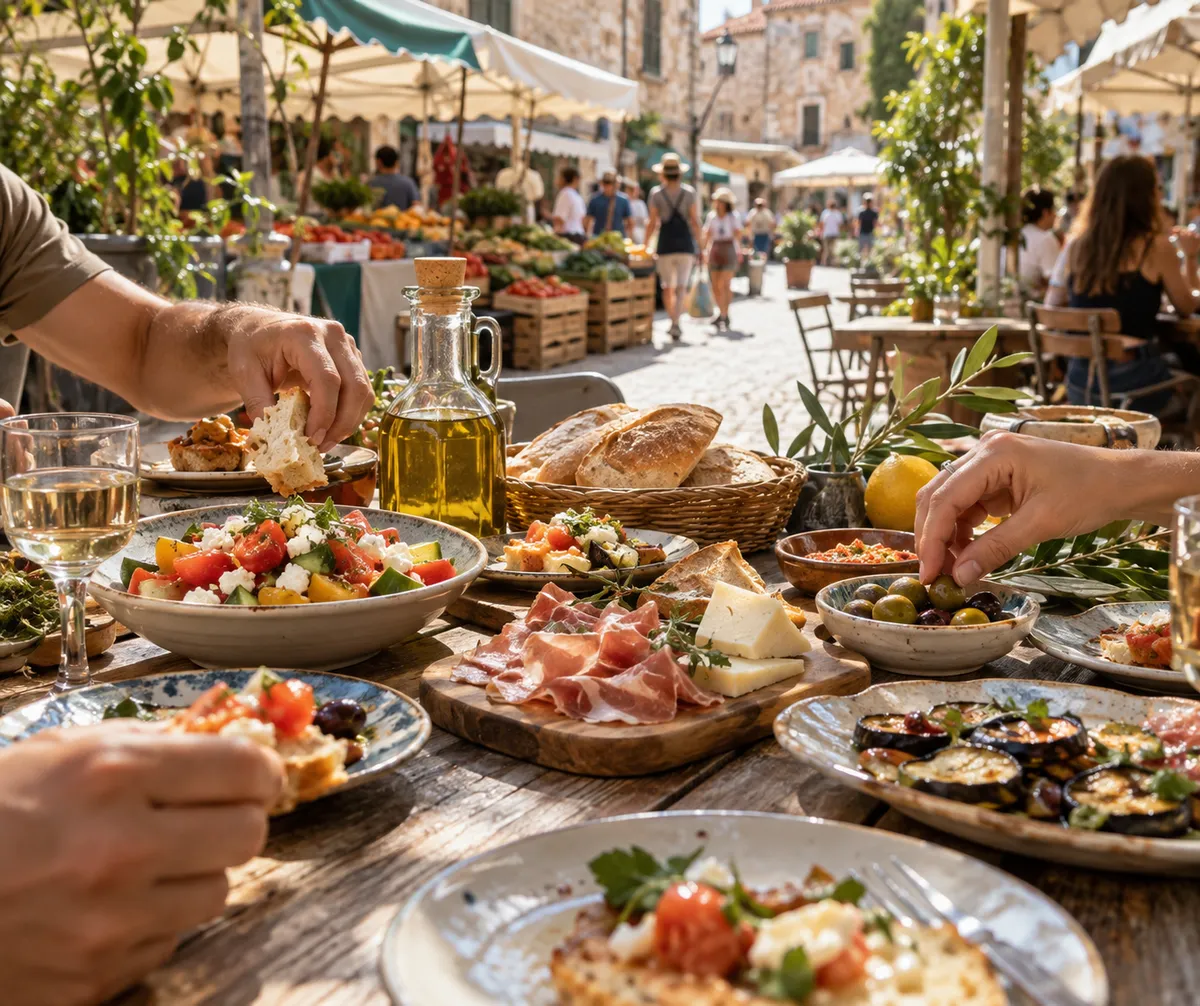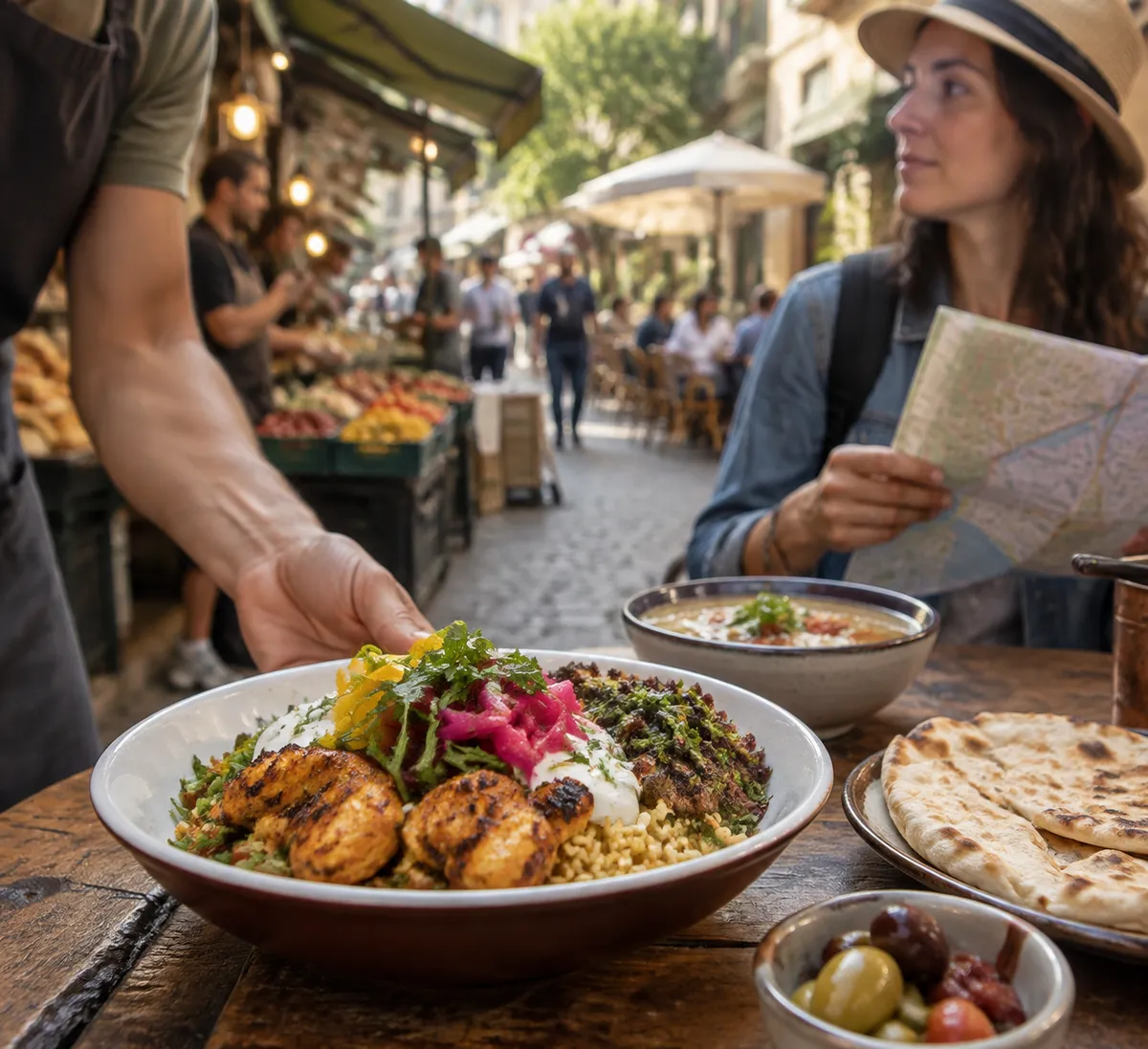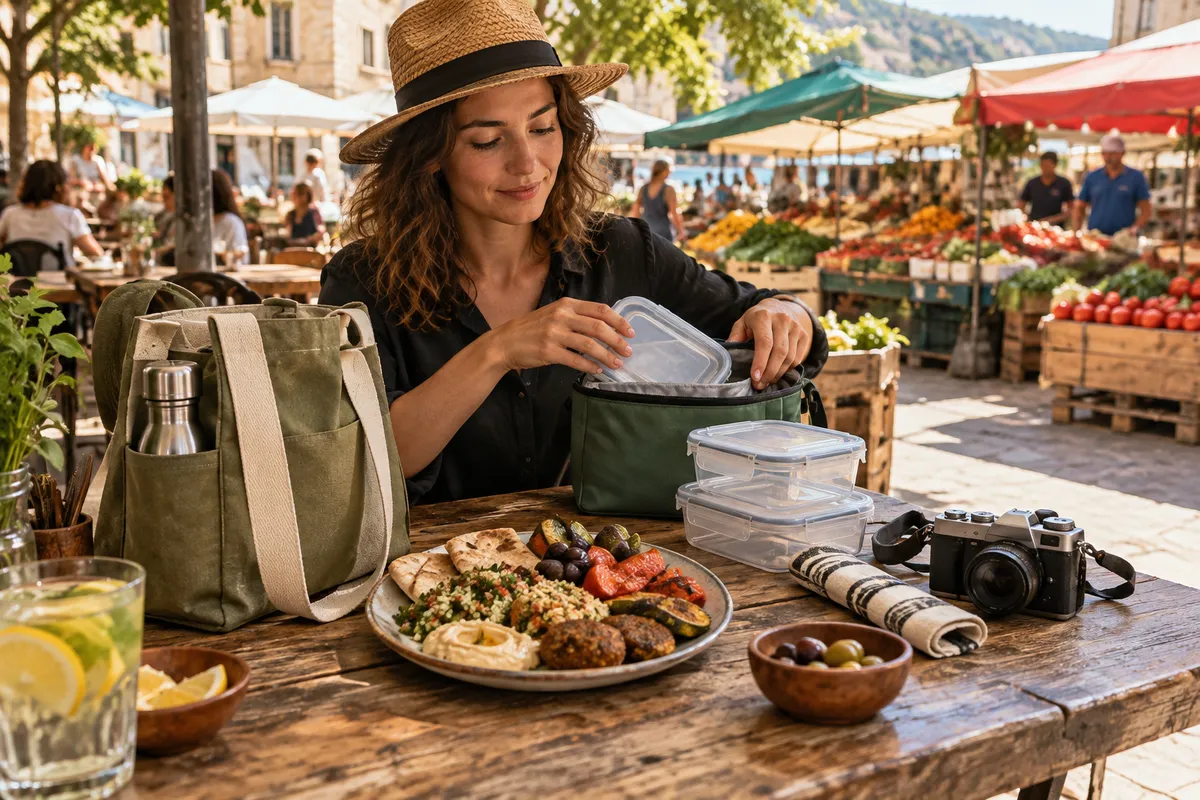
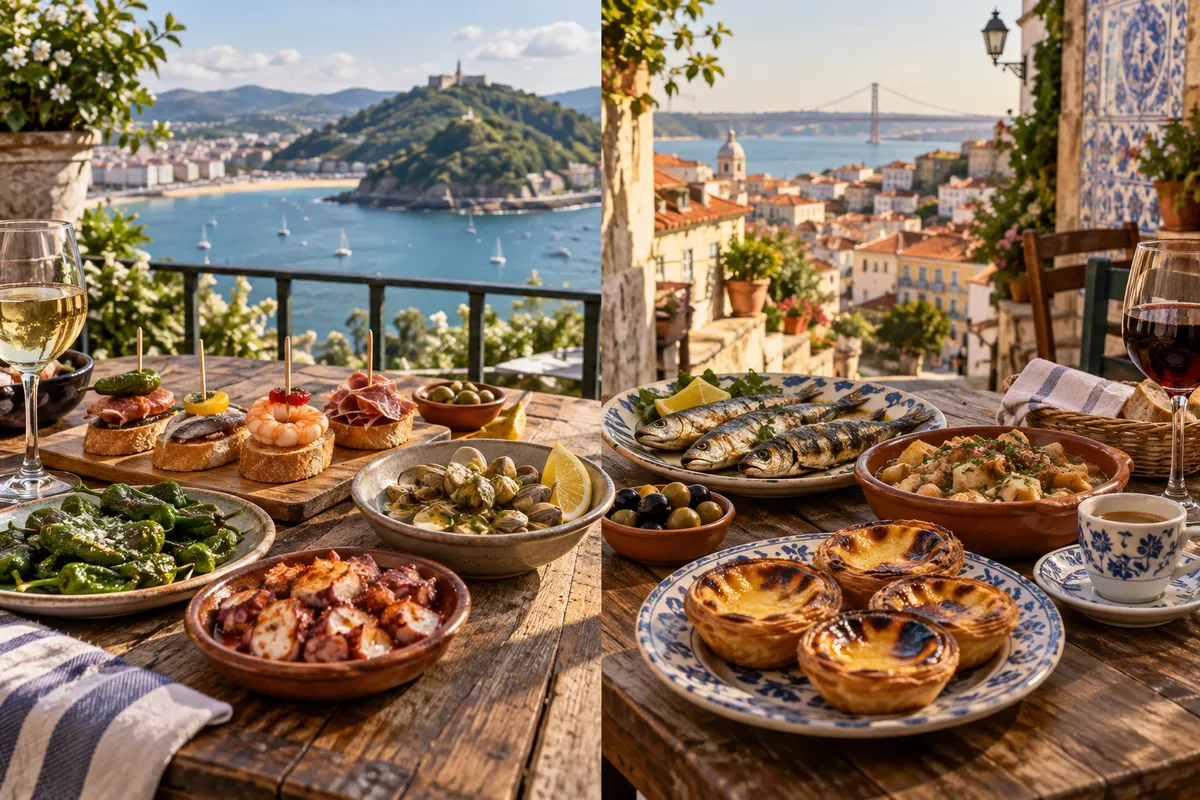
Travel + Leisure recently asked six chefs and travel experts to name their favorite food destination. According to the outlet, they all landed on the same answer: the Iberian Peninsula, with San Sebastián and Lisbon singled out as the places to go. If you're planning a food-focused trip, that kind of agreement is worth paying attention to. This guide helps you decide which of the two cities suits you, and gives you a way to start eating the part before you book.
Why the Iberian Peninsula keeps winning
When six people with different jobs and different tastes choose one region, the region is doing something right. Per Travel + Leisure's reporting, the draw is a combination: acclaimed restaurants, markets, coastal flavors, and food culture that visitors can actually get into without insider connections.
That mix matters for planning. Some food destinations are all high-end dining, and others are all street snacks. A place that offers both lets you set your own budget and pace.
San Sebastián or Lisbon: pick by travel style
The experts named both cities, so the real question is which one fits you. Here's a practical way to decide. This is our framing, not a ranking from the original report.
Choose San Sebastián if you plan around restaurants
San Sebastián was highlighted for its standout culinary experiences. If your ideal trip is built around meals, with reservations, a few splurges, and a compact destination where food is the main event, it's a natural fit. Book the restaurants you care about first, then fill the gaps with casual stops.
Choose Lisbon if you like a city to wander
Lisbon was also singled out, and it suits travelers who want food woven into a broader city visit. Markets, coastal flavors, and neighborhood eating all make it easy to graze through a day instead of scheduling it. If you'd rather stumble on lunch than plan it, start here.
Choose both if you have time
The fact that the experts treated the peninsula as one food destination suggests the two cities complement each other. A trip that includes both lets you compare a restaurant-centered city with a market-and-coast city. Give each at least three full days so you aren't rushing meals.
How to eat beyond the obvious spots
Generic tourist dining is the main risk in any famous food city. A few habits help in both places:
- Visit markets early. Markets are where local ingredients are most visible, and they're good for a first-day orientation to what's in season and what locals buy.
- Eat where the coast shows up. Coastal flavors were part of the appeal, so look for places that lean on seafood and the day's catch.
- Mix one big meal with small ones. Plan one serious restaurant meal per day at most, then keep the rest flexible and casual.
- Ask for recommendations at each meal. Servers, market vendors, and shopkeepers will usually point you to something better than a search result will.
- Book the headline restaurants early. Acclaimed dining rooms fill up, so reserve those before flights if the meal is the reason for the trip.
A simple three-day framework for either city
You don't need a rigid itinerary. Try this template and fill in the specifics with local advice:
- Day one: orient. Start at a market, eat a light lunch, walk the center, and keep dinner casual.
- Day two: the big meal. Book one standout restaurant, and keep breakfast and lunch small so you arrive hungry.
- Day three: go local. Spend the day in neighborhood spots away from the main sights, and ask the people you meet where they eat.
Bring the trip home: a coastal-market plate
You can get into the spirit before you travel, or extend the trip after. This isn't a traditional recipe from either city. It's a simple, market-style plate inspired by the coastal, ingredient-first approach these destinations are known for.
What you need (serves two):
- A good crusty loaf, sliced
- Best-quality olive oil
- Ripe tomatoes, sliced and lightly salted
- A tin or jar of quality seafood, such as sardines or anchovies
- Flaky salt and a squeeze of lemon
How to make it:
- Toast the bread until crisp at the edges.
- Drizzle with olive oil.
- Layer on the tomato and let it sit for a minute so the salt draws out the juices.
- Top with the seafood, a pinch of flaky salt, and a little lemon.
- Serve right away with something cold to drink.
The lesson is the same one the experts seem to be pointing to: with the right ingredients, very little cooking is needed.
Your next step
Pick one city, check restaurant booking windows today, and reserve the single meal you'd regret missing. Everything else can stay loose.