A UK government watchdog has said homes in the country aren't prepared for possible food supply disruptions caused by events like cyberattacks, power outages, disease outbreaks or extreme weather, per a report from Medicalxpress. The advice that usually follows is a vague call to keep "nonperishable food." This guide goes further: you'll leave with a pantry plan built around balanced nutrition, not just whatever lasts longest.
The angle here is simple. An emergency pantry works best when it's food you would actually want to eat, covering protein, carbohydrates, vegetables and water, plus a few easily forgotten practical items.
Start With Why "Nonperishable" Isn't Enough
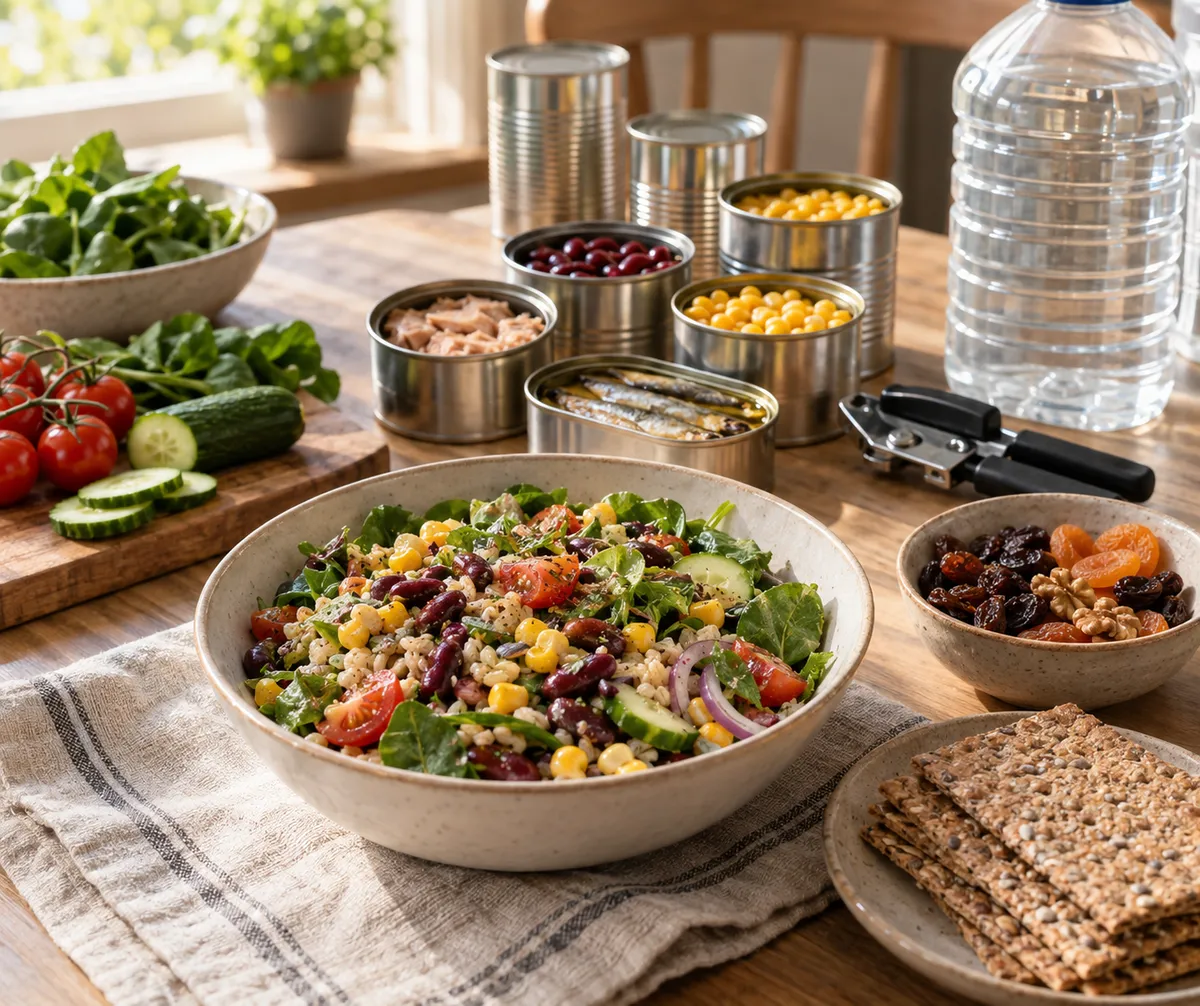
A shelf full of salty crackers and sugary tins will keep you fed, but not well. According to the Medicalxpress report, good emergency stockpiling should include balanced protein, whole-grain carbohydrates, canned vegetables, water, supplements and practical tools such as a can opener. Think of it as a small version of your normal weekly shop, built from shelf-stable versions of the same food groups.
Two common mistakes are worth guarding against: leaning too heavily on salty foods, and skimping on fiber. Both are easy to slip into when you're grabbing convenient tins and packets. Read labels and pick lower-salt options where you can, and favor whole grains and beans over refined starches.
Build the Pantry by Food Group
Use these categories as a shopping checklist. Quantities depend on your household, so scale them to the number of people and the length of time you want to cover. A two-week window is a sensible planning target.
Protein
Tinned fish, canned beans and lentils, and chickpeas all keep well and need no refrigeration. Nut butters are another shelf-stable option. Mixing animal and plant proteins gives you variety, which matters when you're eating from the cupboard for days.
Whole-Grain Carbohydrates
Choose whole-grain options such as oats, brown rice, whole-wheat pasta and wholemeal crackers. They provide energy and fiber, and they're the base for most simple meals. Keep in mind that rice and pasta need water and a heat source to cook, so factor that into your plan.
Canned Vegetables (and Fruit)
Canned vegetables are the easy way to keep vegetables in the house without worrying about spoilage. Tomatoes, sweetcorn, peas, carrots and mixed veg all work. Where possible, look for versions with no added salt.
Water
Water is the item people most often forget to count. Store drinking water as part of your stockpile rather than assuming the tap will keep working. Because the disruptions flagged by the watchdog include power outages and extreme weather, it's sensible to treat water as a core supply, not an afterthought.
Supplements
A multivitamin is a cheap backstop if your diet becomes narrower than usual. It doesn't replace real food, but it can help cover gaps when fresh produce isn't available.
The Practical Extras
Buy a manual can opener. A cupboard of tins is useless without one, and it's the kind of thing you only notice when you need it. Add a few basics for cooking and eating without much fuss, based on how you'd realistically prepare food if the power were off.
Turn the List Into Meals You'll Want to Eat
A pantry feels less grim when you can picture dinner. These templates use only the categories above, so you can mix and match.
Bean and Tomato Stew
Warm canned beans and canned tomatoes together with whatever dried herbs and spices you keep. Serve over brown rice. You get protein, fiber and vegetables in one pot.
Tuna and Veg Pasta
Cook whole-wheat pasta, then toss with tinned fish, canned sweetcorn or peas, and a little oil. Add black pepper or a squeeze of lemon if you have them.
Oats With Nut Butter
Cook oats with water, or with shelf-stable milk if you've stocked it, and stir in a spoonful of nut butter. It's a filling breakfast that relies on nothing fresh.
Chickpea and Vegetable Bowl
Combine drained chickpeas with canned vegetables and warm through. Spoon over rice or eat with wholemeal crackers.
These are templates rather than fixed recipes, and that's the point. Familiar flavors make a stockpile easier to rotate through in normal life, which leads to the next step.
Keep It Budget-Friendly and Usable
You don't need to buy everything at once. Add a few extra tins or a bag of grains to each regular shop until the shelves fill out. Choose foods you already eat, so nothing sits forgotten. Rotate stock by putting newer items at the back and older ones at the front, and use up what's nearing its date in everyday cooking, replacing it as you go. That way the pantry stays fresh and your money isn't wasted.
A Short Storage Checklist
- Keep food in a cool, dry place away from direct sunlight.
- Group items by food type so you can see gaps quickly.
- Check dates a couple of times a year.
- Store water, a can opener and supplements with the food, not scattered around the house.
The Takeaway
This week, pick one category from the list above, whether that's protein, whole grains or canned vegetables, and add a few items to your next shop. Then put a can opener and some water on the list. Small, steady additions beat a panicked bulk buy, and you'll end up with a pantry you can actually cook from.