
Fiber has had a moment. Beans, lentils, whole grains, and seeds are everywhere, and "fibermaxxing" has become a wellness goal in its own right. Here is the useful part: fiber is healthy and most people need more of it, but pushing too hard can upset your gut. By the end of this guide, you will know the warning signs, what may be behind them, and how to build a fiber-rich plate that feels good.
The topic comes from a recent Women's Health report, which describes overdoing fiber as uncommon but possible. That framing matters. This is not a reason to fear lentil soup. It is a reason to pay attention to how your body responds.
The Signs You May Be Eating Too Much Fiber
Per Women's Health, the signals to watch for include:
- Diarrhea. Your gut may be moving things along faster than it can manage.
- Constipation. It sounds backward, but too much fiber can produce this too.
- Bloating. A swollen, uncomfortable belly after meals is a common complaint when intake jumps.
- Appetite loss. Feeling full for so long that you skip or dread the next meal is another flag.
Notice that these symptoms can point in opposite directions. If your digestion has changed since you started adding fiber, the increase is a reasonable suspect. If symptoms are severe or persist, a doctor or registered dietitian is the right person to ask.
Why It Is Easy to Overdo It Now
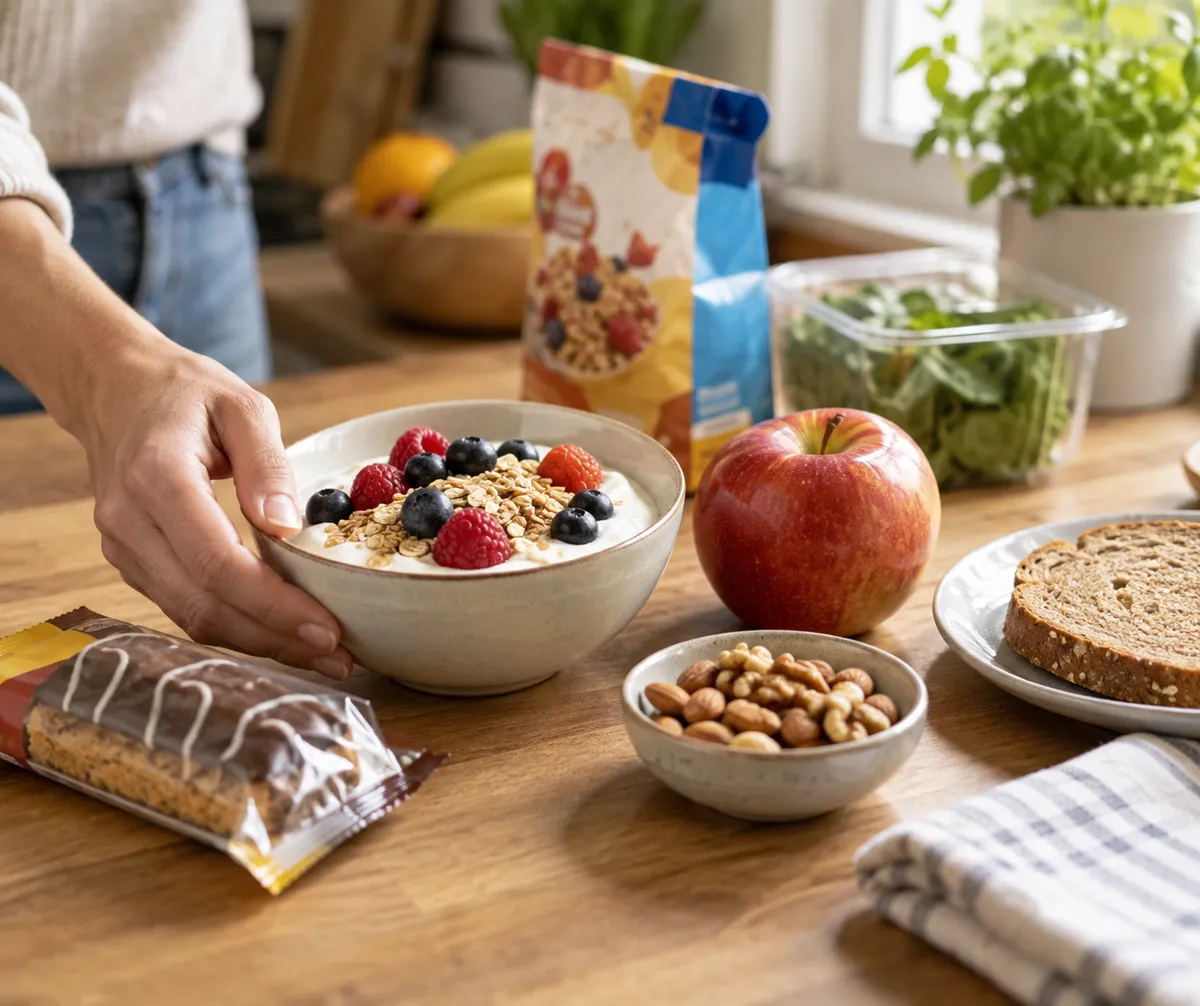
Fiber is trending alongside interest in gut health, fullness, and metabolic markers. At the same time, high-fiber packaged foods and low-net-carb products are increasingly common. Those products can quietly stack fiber on top of what you already eat from whole foods. You might be having a fiber-boosted cereal, a protein bar, and a bean-heavy dinner without adding it all up.
That is a point of analysis rather than a number we can quote, but the habit is simple to check: read labels on packaged foods and notice how many items in your day are advertised as high fiber.
How to Raise Fiber Without Upsetting Your Gut
The core message of the report is that more is not automatically better. These practical steps follow from that idea.
Add one change at a time
If you want more fiber, swap or add a single food rather than overhauling every meal. Give your body a few days before adding the next change. That makes it easy to spot what causes trouble.
Favor whole foods you enjoy
Beans, lentils, vegetables, fruit, oats, and whole grains are the classic sources. Building around dishes you actually like beats forcing down something that feels like a chore.
Spread it across the day
Rather than one enormous high-fiber meal, distribute plant foods through breakfast, lunch, dinner, and snacks. A steady approach is gentler than a single big hit.
Check the label on convenience foods
If a product is marketed as high fiber or low net carb, count it. Treat it like any other source in your daily total instead of a free extra.
Listen to the feedback
If bloating, constipation, diarrhea, or loss of appetite show up, scale back to the last amount that felt comfortable. Hold there for a while before trying again.
A Gentle, Fiber-Friendly Plate
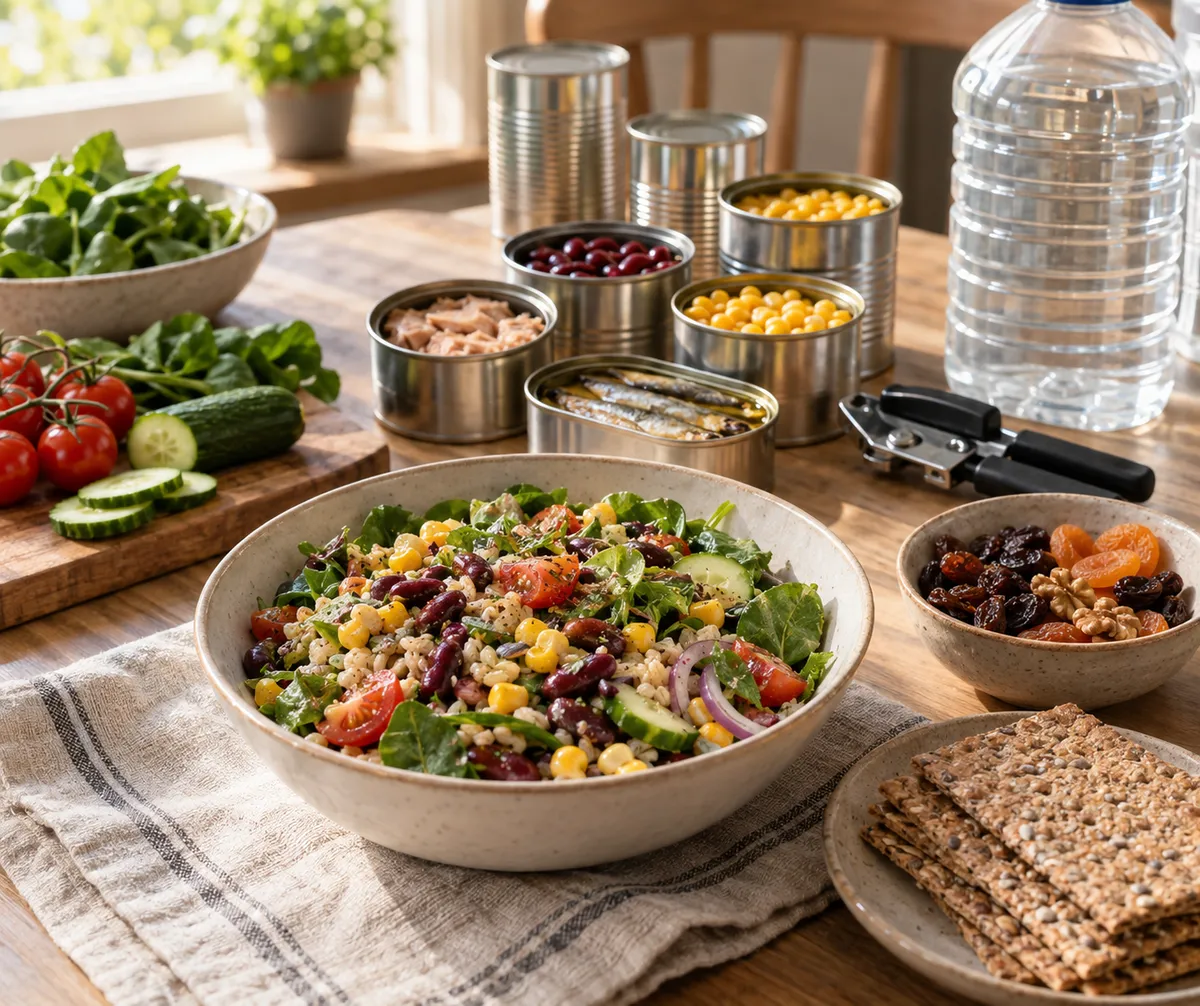
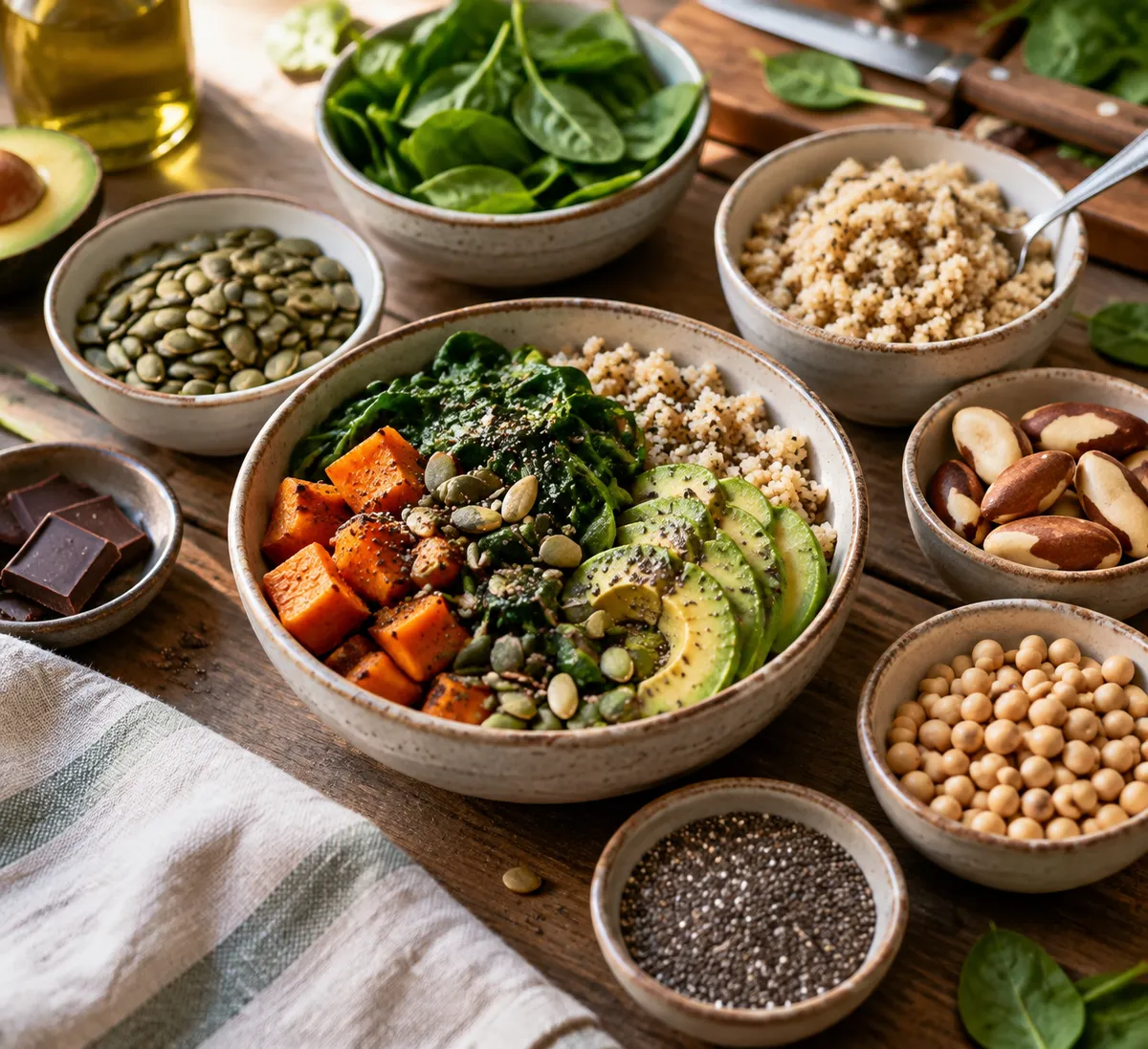
Recipes from around the world show how fiber can be part of ordinary, balanced meals instead of a project. Think of a simple lentil soup with vegetables and a slice of whole-grain bread, or a bowl of rice with beans and sauteed greens. These are traditional, everyday combinations in many food cultures, and they work because fiber arrives alongside other foods rather than as a supplement to everything.
A simple template:
- Start with one fiber-rich base, such as lentils, beans, or a whole grain.
- Add a vegetable or two.
- Round it out with a protein or healthy fat you like.
- Skip the extra fiber-fortified add-ons that day if you are already feeling full or bloated.
Fiber Is Still Good for You
Nothing here argues against fiber. The report's central point is that most people need more, and that the trouble comes from increasing too aggressively. The goal is a sweet spot where you feel well, digest comfortably, and still look forward to your next meal.
The Takeaway
If you are chasing a bigger fiber number, change one food at a time, count the packaged products, and pull back at the first signs of bloating, irregularity, or lost appetite. Your gut will tell you where your sweet spot is.