Ultra-processed foods, often shortened to UPFs, fill a huge share of the modern food supply. New research, as reported by Women's Health, links higher UPF intake to elevated markers of inflammation. Those markers are associated with risks like cardiovascular disease, diabetes, and cancer.
That sounds alarming, but the practical takeaway is calmer. You don't need a perfect diet. You need to recognize UPFs when you see them and make a few upgrades that fit your real life. This guide focuses on exactly that.
A note on scope: the research summary available here is broad. It doesn't give specific percentages, study sizes, or product-by-product rankings, so this article doesn't invent them. What follows is a practical framework built around the core finding and the expert advice to aim for progress, not perfection.
What the research says, in plain terms
Per Women's Health, people who eat more ultra-processed food tend to show higher levels of inflammation markers. Inflammation is the body's response mechanism, and when those markers stay elevated, they're associated with chronic conditions including heart disease, diabetes, and cancer.
The word to hold onto is "associated." The reporting describes a link, not a guarantee that any single snack causes disease. That's a good reason to treat this as a pattern to nudge in a better direction, not a reason for panic.
How to tell if a food is ultra-processed
This is the part most people get stuck on, since "processed" covers a lot of ground. Chopping, freezing, or canning a food doesn't make it a problem on its own. UPFs are the ones made largely from industrial ingredients and additives rather than recognizable whole foods.
A quick label routine can help you sort things out. This is a practical rule of thumb, not an official test:
- Flip the package over. The front is marketing. The ingredient list is the story.
- Scan for ingredients you wouldn't stock in a home kitchen. If the list reads more like a chemistry set than a pantry, that's a flag.
- Check the length. A short list of familiar items (say, oats, or tomatoes and salt) usually points to a simpler product.
- Notice the "health" halo. Foods marketed as protein, low-fat, or plant-based can still be heavily processed, so read the label anyway.
If a product trips two or three of these checks, treat it as a UPF and decide whether it's worth keeping in your routine.
Five easy swaps for common packaged foods
The strongest approach is small upgrades rather than fear-based restriction. Pick one or two to try this week.
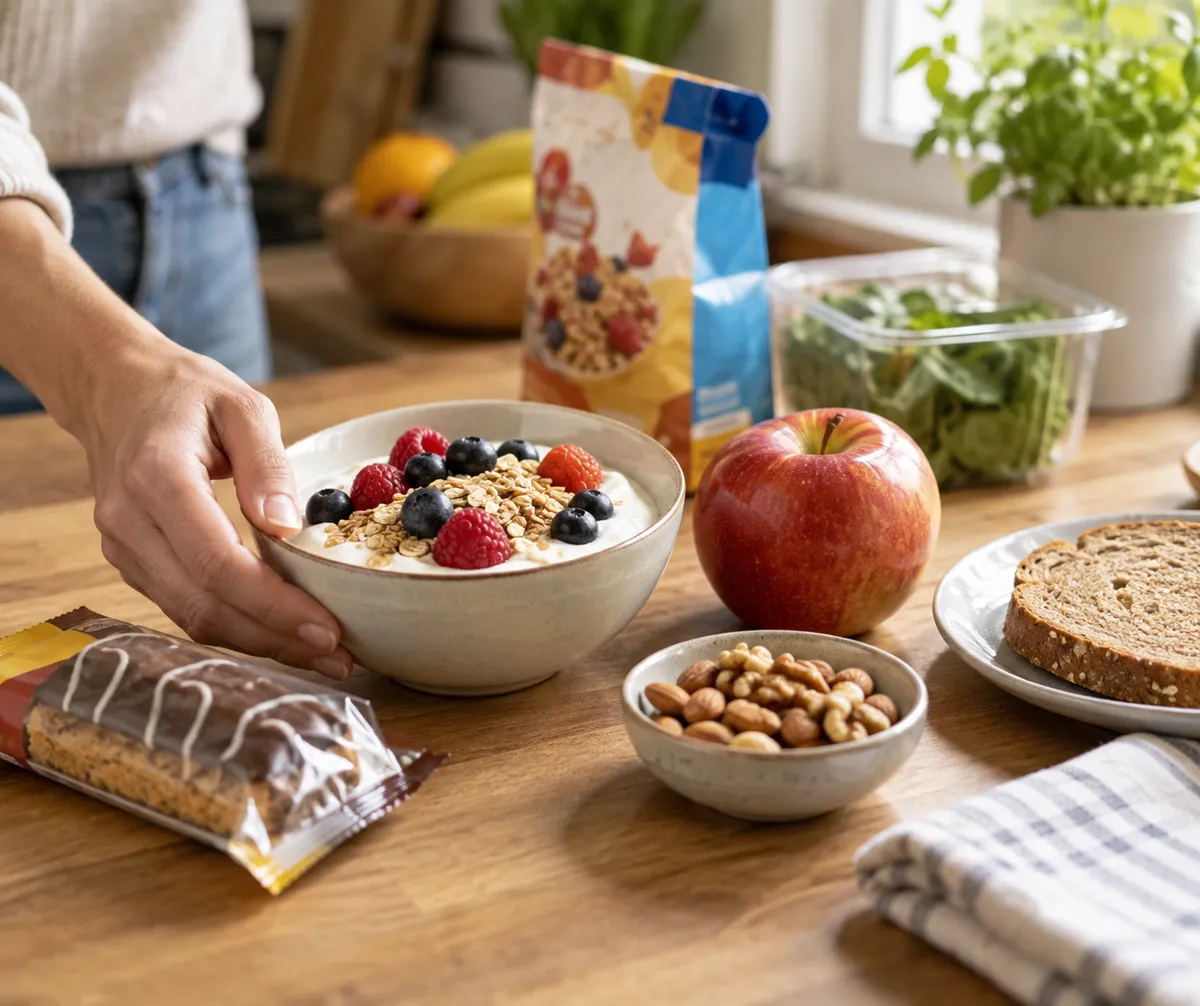
Flavored instant oatmeal to plain oats
Plain rolled oats cook in minutes. Add cinnamon, fruit, or a spoonful of nut butter for flavor you control.
Packaged snack bars to nuts and fruit
A handful of almonds with an apple or a few dates travels just as well as a wrapper does.
Bottled sauces to a simple homemade one
Crushed tomatoes, olive oil, garlic, and salt make a basic pasta sauce in about 15 minutes. It's the kind of pantry-staple cooking that regional Italian kitchens have long relied on.
Flavored yogurt to plain yogurt
Stir in fresh or frozen berries and a drizzle of honey. You decide how sweet it gets.
Packaged deli-style lunch kits to a build-your-own plate
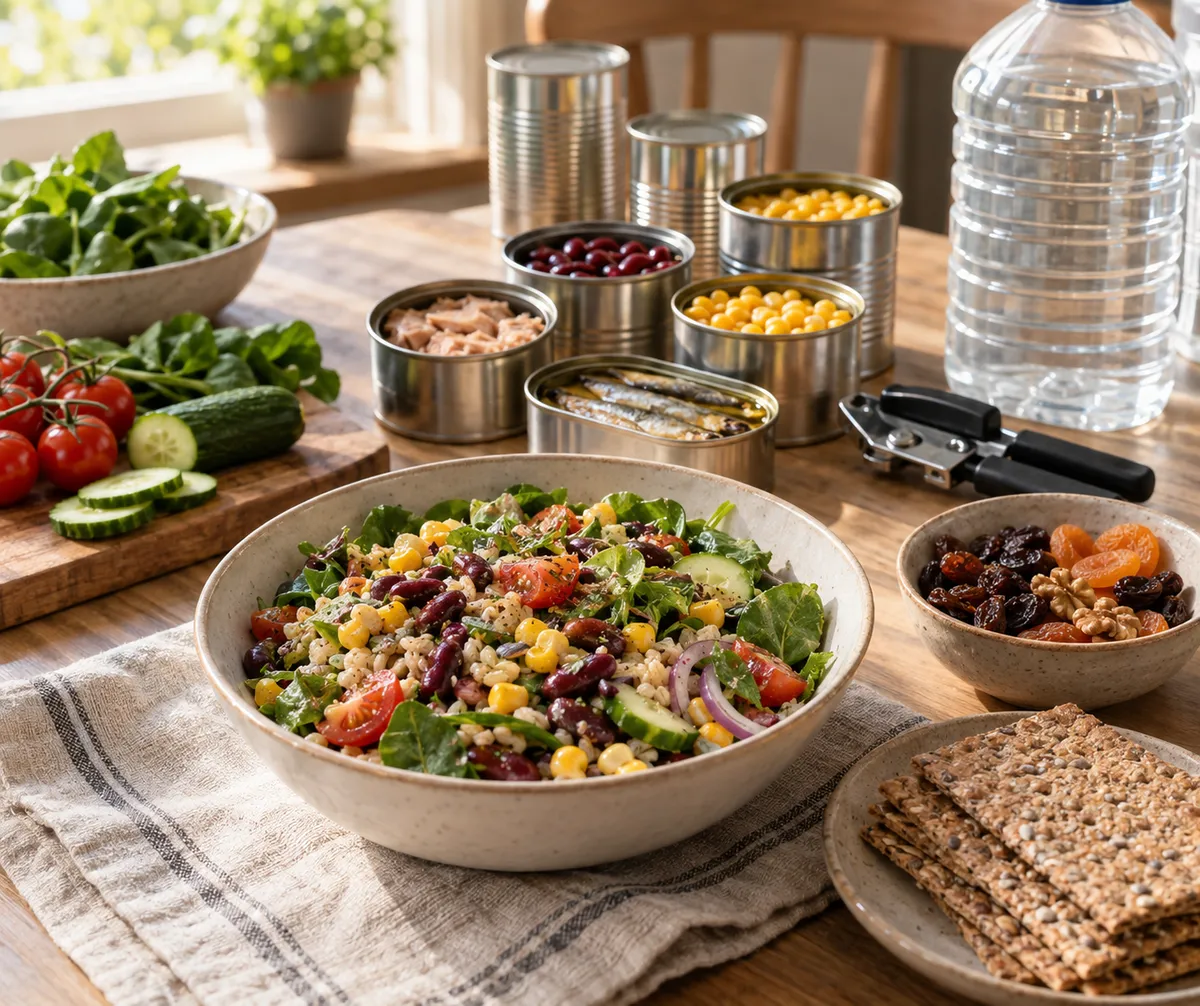
Leftover roasted chicken, canned beans, cheese, cut vegetables, and whole-grain crackers make a fast lunch with recognizable ingredients.
Build a low-UPF plate without giving up convenience
Convenience and whole foods aren't opposites. Plenty of shortcuts are simple foods that happen to be ready to go:
- Canned beans and chickpeas, rinsed
- Frozen vegetables and fruit
- Pre-washed greens
- Eggs, which cook in minutes
- A rotisserie chicken stretched over several meals
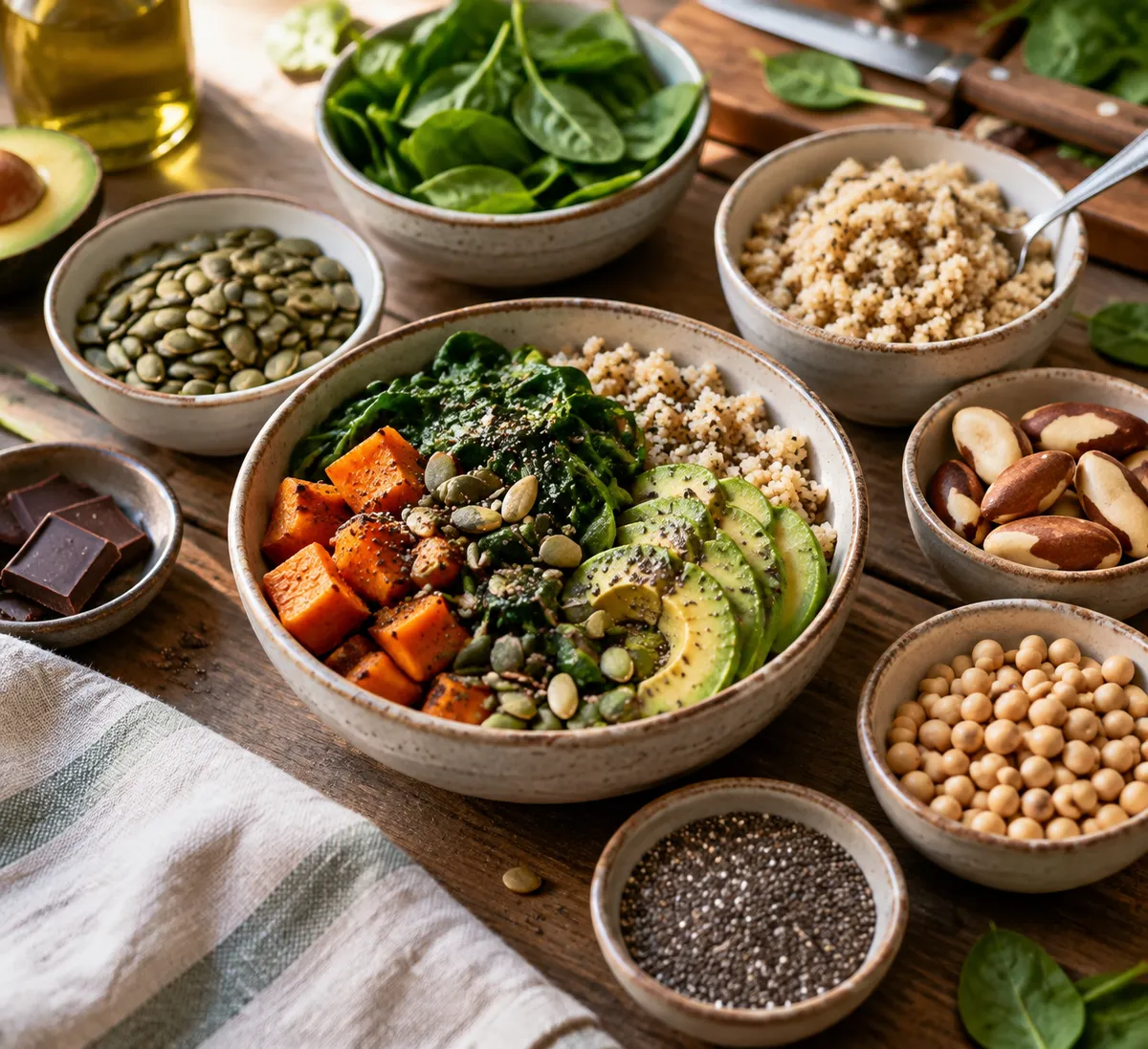
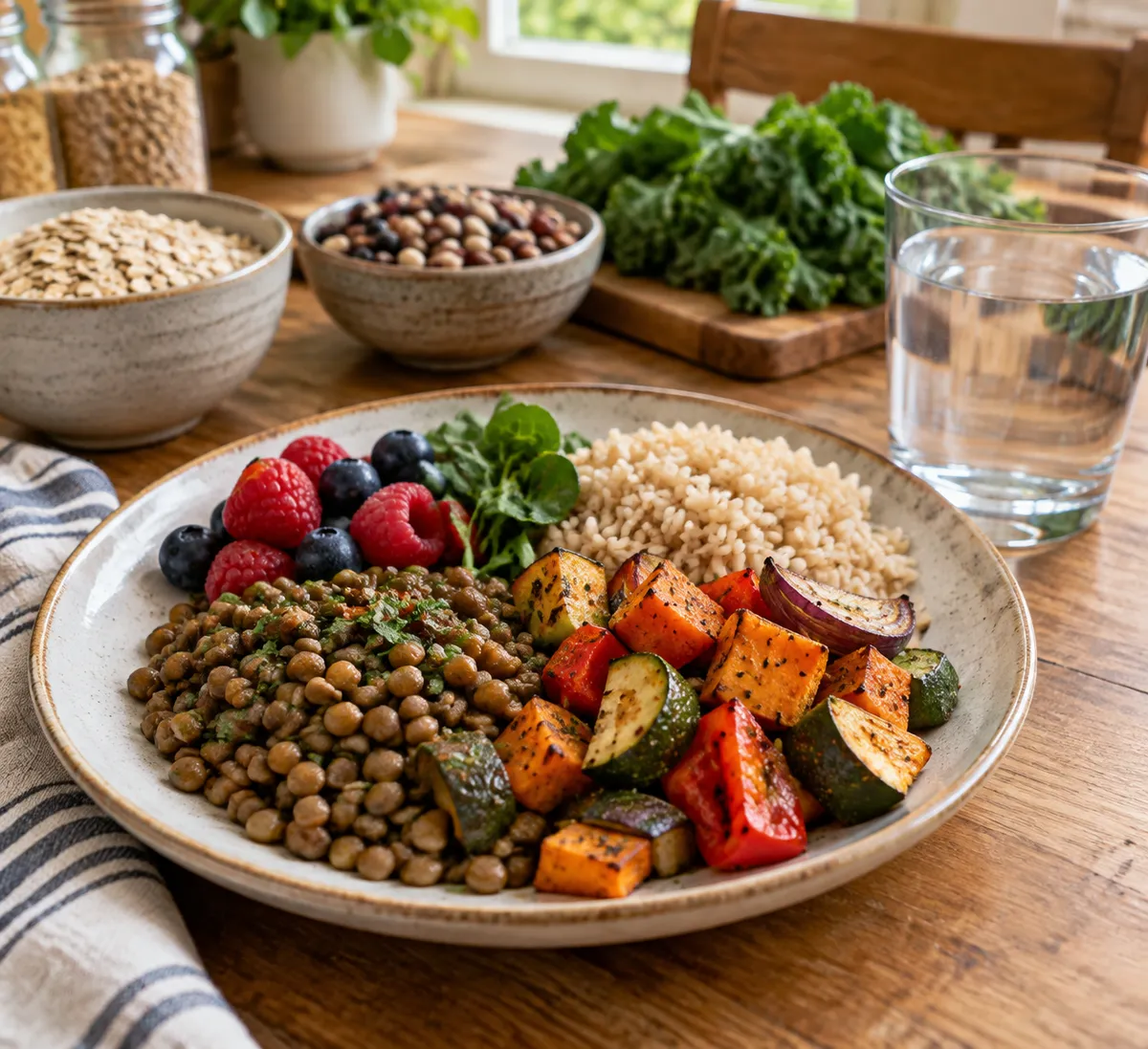
Think "real food first": start the plate with something recognizable, such as a protein, a vegetable, and a whole grain, then add packaged extras around the edges rather than at the center.
A five-minute recipe: chickpea and tomato skillet
This is inspired by the simple, pantry-driven cooking found around the Mediterranean, and it uses ingredients you can recognize on sight.
You'll need: 1 can chickpeas (drained), 1 can crushed tomatoes, 2 cloves garlic, 2 tablespoons olive oil, salt, pepper, and a pinch of paprika or chili flakes.
- Warm the olive oil in a skillet over medium heat.
- Add sliced garlic and cook for about a minute, until fragrant.
- Stir in the chickpeas and spice, then pour in the tomatoes.
- Simmer 10 minutes, until thickened. Season to taste.
- Serve over rice, with crusty bread, or topped with an egg.
It takes minutes of active work and keeps well for lunch the next day.
Aim for better, not perfect
The expert advice in the reporting is explicitly not about perfection. You don't have to purge your pantry. Swapping even a couple of items you eat daily shifts the overall pattern, and the pattern is what the research is about.
This week, pick the one packaged food you eat most often, read its ingredient list, and replace it with a simpler version.
Source: reporting originally published by Women's Health.